





Introduction: A Night Eruption on Stromboli — the Volcanic Spectacle of the Aeolian Islands
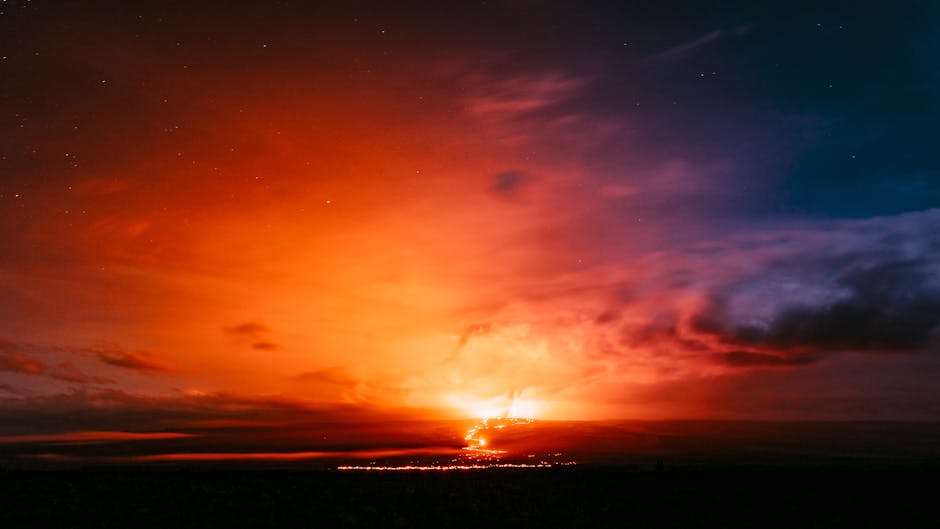
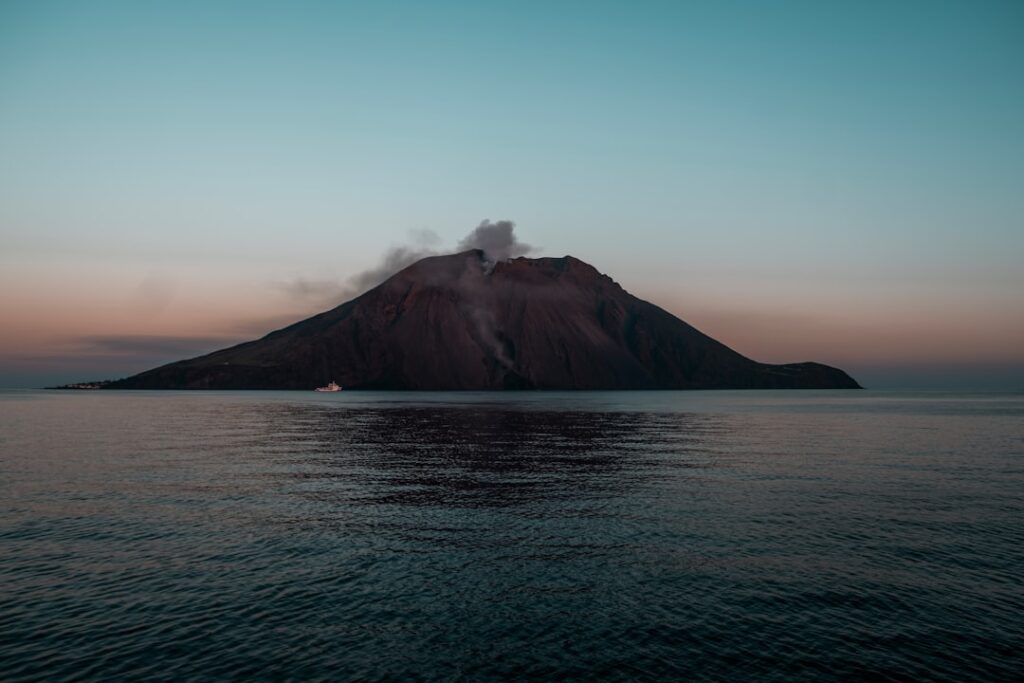
Watching an eruption at Stromboli is one of those encounters with nature that amazes, unsettles and thrills at the same time. Sitting at the heart of the Aeolian archipelago (Isole Eolie) in the Tyrrhenian Sea, Stromboli is nicknamed “the sentry of the Mediterranean” because its volcanic activity, often visible from the shore, marks island life. This guide aims to get you ready to experience a « night eruption » safely, combining vivid descriptions, practical routes, access information, price and timetable examples, useful addresses and down-to-earth local advice.
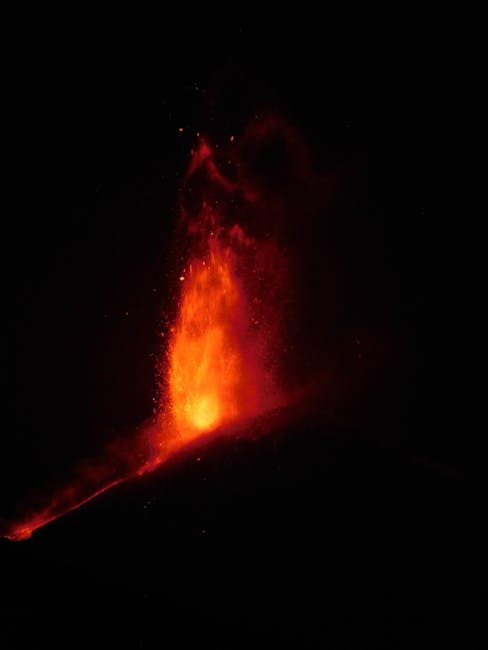
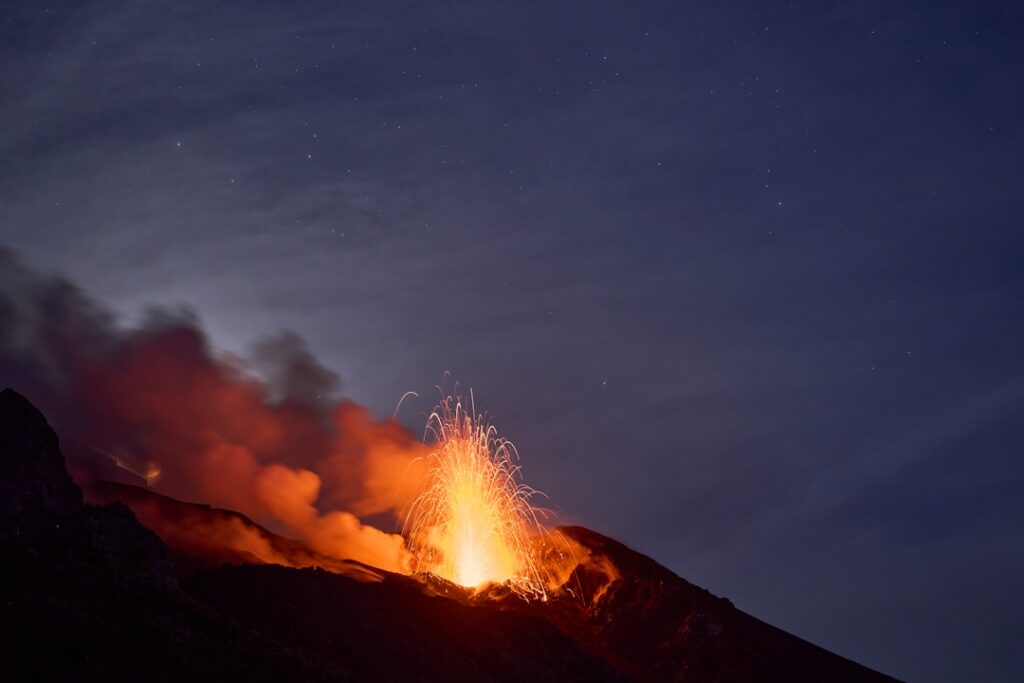
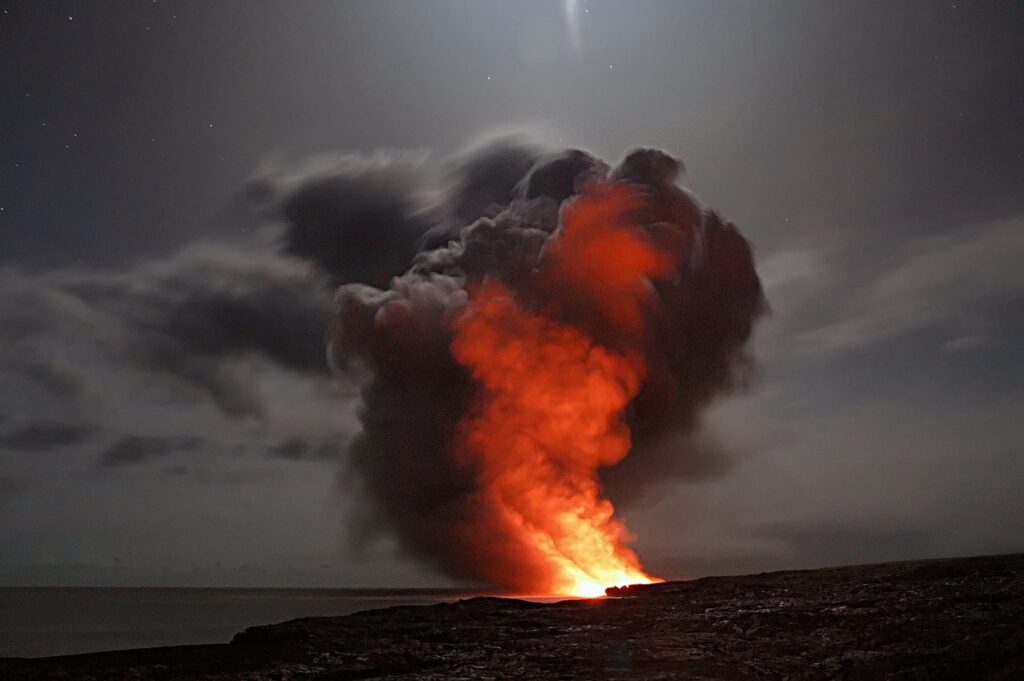
Strombolian eruptions, typical of Stromboli volcano, involve near-continuous bursts of incandescent lava and ash, interrupted by more or less violent explosions. Seeing a glowing plume shoot up from a crater under a starry sky is a powerful sensory experience: the light, the heat, the low rumble and the smell of sulfur form an almost cinematic scene. But the show is never without risk. Depending on the intensity of the activity, some areas are strictly off-limits and the daily ascent to the « Pizzo » (summit crater) can be regulated or suspended by local authorities and the Istituto Nazionale di Geofisica e Vulcanologia (INGV).
This guide is for first-timers seeking a safe introduction (guided hikes to the authorized viewing zone) as well as experienced photographers, boaters and residents who want to read the volcano’s signals better. You’ll find exact addresses — ports, guides, rescue stations — indicative prices in euros, commonly observed timetables for crossings and excursions, plus practical recommendations (gear, behavior, insurance). Before you go, always check updates from INGV, the Capitaneria di Porto and the local Guardia Costiera: safety comes before curiosity.
Finally, a night eruption at Stromboli happens within a human and cultural context: small seaside restaurants, bars where you might sip a cocktail between alerts, and trails winding over a landscape shaped by centuries of volcanic activity. Respecting residents, rules and the environment protects your safety and helps preserve this natural show. This text guides you step by step to prepare for, experience and recount your night eruption while staying informed and cautious.
1. Getting to Stromboli: ports, schedules, prices and first precautions
Most visitors reach Stromboli from Sicily (Milazzo) or from the nearby island of Lipari. The main operators serving Stromboli are Liberty Lines (hydrofoils) and Siremar/Caronte & Tourist (ferries). Below are the routes, addresses and sample fares for high season (May to September) — remember timetables vary by season and weather.
- Porto di Milazzo — Lungomare Garibaldi 30, 98057 Milazzo ME, Italy. Operators: Liberty Lines and Siremar. Schedules: early departures between 07:00 and 09:00, evening returns between 18:00 and 20:00 (seasonal variations). Approximate fares: hydrofoil Milazzo–Stromboli €26–€40 one way, ferry €18–€35 one way. Duration: 2h30 by ferry, 1h30–2h by hydrofoil.
- Porto di Lipari — Via Roma 12, 98055 Lipari ME, Italy. Operators: frequent connections from Lipari to Stromboli. Schedules: multiple daily rotations, often concentrated between 08:00–12:00 and 15:00–19:00. Prices: hydrofoil Lipari–Stromboli €12–€20 one way, ferry €8–€15. Duration: 30–50 minutes.
- Porto di Stromboli (Marina Grande) — Piazza Marina, 98050 Stromboli ME, Italy. Arrival point for pedestrians and private craft. For small private boats and night excursions, contact the Capitaneria di Porto (Milazzo) or local operators for permits and markings.
Practical tips for arrival: plan to get to Stromboli before sunset if you’re doing a night excursion so you have time to settle in, meet your guide or reach the Ficogrande beach where most boats land. In high season, book crossings several days ahead (especially on weekends). Ticket offices in Milazzo and Lipari usually post that day’s departures; check for closures due to bad weather.
Local transport and logistics: on Stromboli there are no paved roads to the summit — the network is made up of trails and stairways. Local taxis are few; logistics depend heavily on the trekking providers. If you arrive by private boat, moor at Porto di Stromboli (Piazza Marina) and inform the Capitaneria di Porto di Milazzo (Capitaneria di Porto, Via Garibaldi 40, 98057 Milazzo ME, Italy, tel. +39 090 9250xxx) of your night plans — coordinating with the coastguard is recommended for sea-based observation.
2. Guided hikes to the summit: who to contact, prices, schedules and rules
Access to Stromboli’s summit crater is strictly regulated for safety reasons. For several years, authorized ascents have often been limited to the official « observation zone » between roughly 400 and 390 meters above sea level, supervised by certified professional guides. Going beyond the authorized area can result in sanctions and put your life at risk.
Authorized organizations and guides:
- Associazione Guide Vulcanologiche Stromboli — Via Roma 4, 98050 Stromboli ME, Italy. Services: guided night hikes to the official observation area. Indicative rates: €35–€50 per person for the night hike (standard group 8–15 people), includes helmet, headlamp and guide. Schedules: departures generally between 17:00 and 19:00 depending on the season; return after observation around 22:00–23:00. Advance booking recommended: +39 090 984xxxx (confirm the exact number when booking).
- INGV Field Observatory liaison — information and monitoring (mobile observatory). Operational coordination address: Piazza Marina, 98050 Stromboli ME, Italy (near the port). Ascents may be coordinated with their presence to provide real-time information on activity. Public bulletins: http://www.ingv.it and local publications.
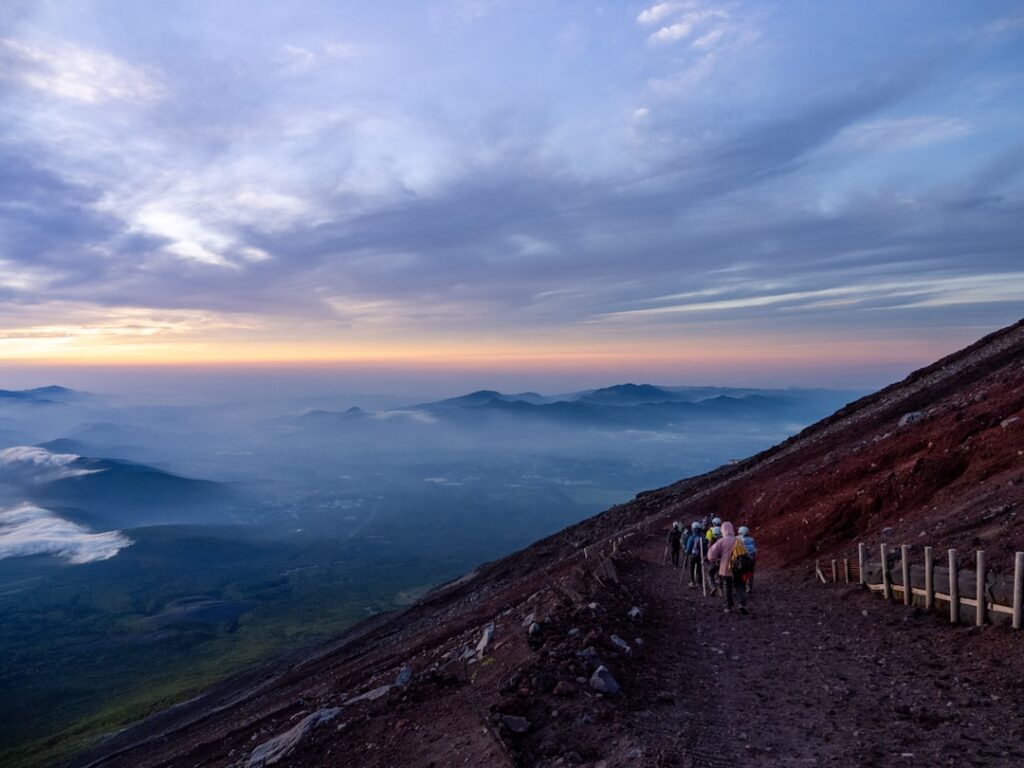
Typical flow of a supervised night outing: the meeting point is late afternoon at Marina Grande (Piazza Marina). After a safety briefing (30–45 minutes), equipment checks and helmet distribution, the group sets off on a marked trail. The ascent usually takes 2 to 3 hours depending on pace and trail condition; returns are at night, lit by headlamps. The guide selects the observation spot based on the volcano’s behavior and INGV instructions: you’ll stay at a distance deemed safe (often 200–300 m from the active rim) while still enjoying a spectacular view of the Strombolian explosions.
Rules and obligations: wearing a helmet and hiking boots is mandatory; a dust mask is sometimes recommended if ash is expected; smoking and drone use without authorization are prohibited — drones can be dangerous during activity and are often banned for safety and monitoring reasons. Guides are authorized to turn the group back or shorten the hike if activity increases. In an alert, follow their instructions exactly.
3. Watching from the sea: night cruises, prices, anchoring spots and safety
Viewing Stromboli from the sea is a dramatic alternative and often safer than climbing: boats anchor at a safe distance and offer a continuous panorama of the volcano lit by the explosions. Several local operators and nautical companies run sunset or night observation cruises.
- Private boat excursions — Marina Grande, Piazza Marina, 98050 Stromboli ME, Italy. Approximate rates: boat hire with skipper for an observation evening €250–€600 depending on size and duration (4–6 hours), cost-sharing possible with other passengers (€60–€120 per person). Departures: 18:00–20:00, return 22:00–01:00. Bookings recommended via the port or local agencies.
- Organized night boat tours — Local tour operators. Examples: regular runs from Lipari (Via Roma 12, 98055 Lipari ME, Italy): prices €40–€80 per person, departures 18:30–20:30. These tours often include a light dinner, drinks and commentary on the volcanic activity.
Maritime safety: the Capitaneria di Porto and the Guardia Costiera enforce minimum approach distances based on INGV bulletins. The typical route skirts the southwest coast of Stromboli to view the projections without entering the red zone. Experienced skippers know the buoys and no-go areas well. Vessels must carry life jackets, fire extinguishers, VHF radio and navigation lights. In case of alert, follow the captain’s instructions and head for recommended safe ports (often Lipari or Panarea depending on conditions).
Practical tips for sea trips: bring warm layers (temperatures can drop at night on the water), protection from spray, a camera with a sturdy tripod and telephoto lens, and seasickness medication if needed. Avoid unregistered boats or last-minute offers that look too cheap; maritime safety and monitoring cost money and it’s worth paying for a properly equipped vessel and licensed skipper.
4. Gear, behavior and first aid: staying cautious during the night
Good preparation significantly reduces risk during a night eruption. Here’s a concrete kit list, behavior advice and a local first-aid sheet useful if things go wrong.
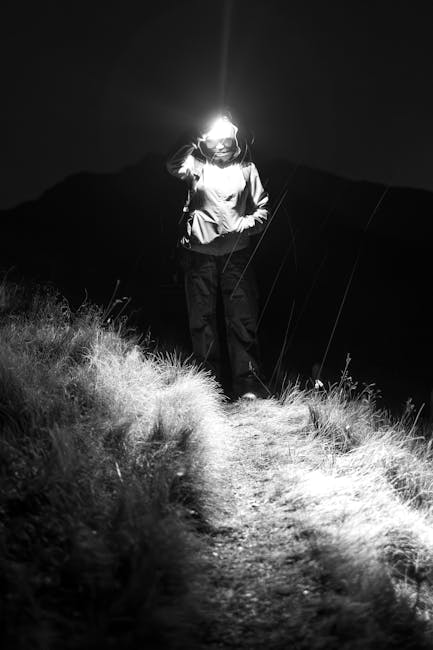
- Recommended gear: sturdy hiking boots (high ankle, grippy soles), headlamp + spare batteries, helmet provided by the guide or your own if you have one, warm and windproof clothing, gloves, FFP2 dust mask if ash is forecast, protective goggles, water bottle (1–2 L), energy snacks. For sea trips: waterproof jacket and mandatory life jacket.
- Group behavior: always stay with the guide or group, obey evacuation instructions, avoid approaching the active rim, never touch lava or hot surfaces. The ground can be unstable and cracked; walk only on marked trails.
- First aid and emergency numbers: European emergency number 112. For on-site medical assistance: Poliambulatorio Stromboli, Via Marina 2, 98050 Stromboli ME, Italy (local consultations depend on seasonal presence). Capitaneria di Porto (Milazzo) for maritime emergencies: Lungomare Garibaldi 40, 98057 Milazzo ME, Italy, tel. +39 090 9250xxx. For minor burns, cool the area with clean water and see a doctor; for smoke inhalation, oxygen and immediate medical transport are necessary.
Insurance and paperwork: check that your travel insurance covers volcanic activities and sea/air rescue. Some insurers require specific clauses for helicopter rescues or evacuations in high-risk zones. Keep a paper copy of your insurance documents and emergency contacts — phone signal can be poor during the ascent.
Behaviors to avoid: approaching the crater without a guide, throwing objects into the crater, using a drone without authorization, smoking near projection zones, attempting unmarked shortcuts. If a guide tells you to turn back, comply without argument: they base decisions on scientific and logistical data you don’t have.
5. Accommodation, dining and local tips after a night eruption
After a night spent watching the volcano you’ll probably want a quiet place to rest, a good meal and tips for continuing your trip around the Aeolian Islands. Here’s a selection of specific places and practical recommendations for eating and sleeping safely on Stromboli.
- Hotel Ristorante La Sirenetta — Via Marina, 98050 Stromboli ME, Italy. Room rates: €70–€180 per night depending on season and comfort. Breakfast often served until 10:00. On-site restaurant serving local fish dishes. Convenient for quick access to Marina Grande port.
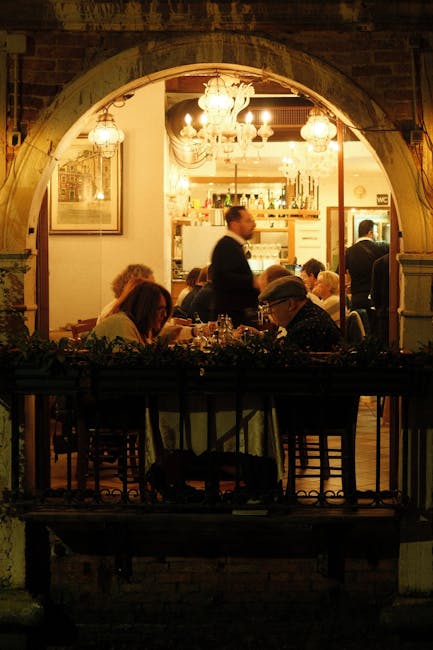
- Ristorante Da Maria — Via Marina 1, 98050 Stromboli ME, Italy. Typical dishes: spaghetti with sea urchins, grilled fish. Hours: 12:30–15:00 and 19:00–23:00. Average prices: starters €8–€15, mains €12–€25. Reservation recommended after a night of observation.
- Bar La Palmera — Piazza Marina, 98050 Stromboli ME, Italy. Great for a morning coffee or a late aperitif. Hours: 07:00–01:00. Drinks: espresso €1–€2, cocktails €6–€12.
Local advice: buy water and some provisions when you arrive — shops often close early and access after an ascent can be tricky. Respect boat timetables for your return; if a crossing is canceled due to bad weather, have an alternative place to stay. Residents are used to night visitors but appreciate discretion: don’t leave trash on trails and respect private areas.
To extend the experience, consider visiting other islands in the archipelago (Lipari, Salina, Panarea) or taking a boat trip around the Strombolicchio (the small rocky islet to the north) for different perspectives. Photographers should note Ficogrande and Scari beaches offer morning viewpoints ideal for sunrise shots to complement your night images.
Conclusion: Enjoy the show, respect the rules and the island
A night eruption at Stromboli is an unforgettable event, a direct encounter with the earth-shaping forces that created the Aeolian Islands. To keep this experience a positive memory rather than an avoidable tragedy, balance wonder with caution: plan ahead, choose licensed operators and guides, obey INGV and local authority restrictions and recommendations, equip yourself properly and get the necessary insurance. The beauty of the spectacle should never overshadow the risks of an active volcano.
Remember that safety depends as much on you as on the professionals who accompany you: listen to briefings, don’t take unnecessary risks for a photo, and respect the prescribed distances. The people of Stromboli, who live with the volcano every day, offer genuine hospitality — learn from them, follow their advice and help preserve the island landscape by avoiding harmful behaviors.
Before setting out, check INGV bulletins (Istituto Nazionale di Geofisica e Vulcanologia) and Capitaneria di Porto announcements for the current status of volcanic activity and any temporary restrictions. Whether you pick a guided ascent with a volcanology guide association or a sea-based observation aboard a small craft, plan your outing seriously: a little preparation greatly increases safety and the richness of the memory you’ll bring home from this dramatic island.