





Introduction — Night Photography on Stromboli: Why Come and What to Expect
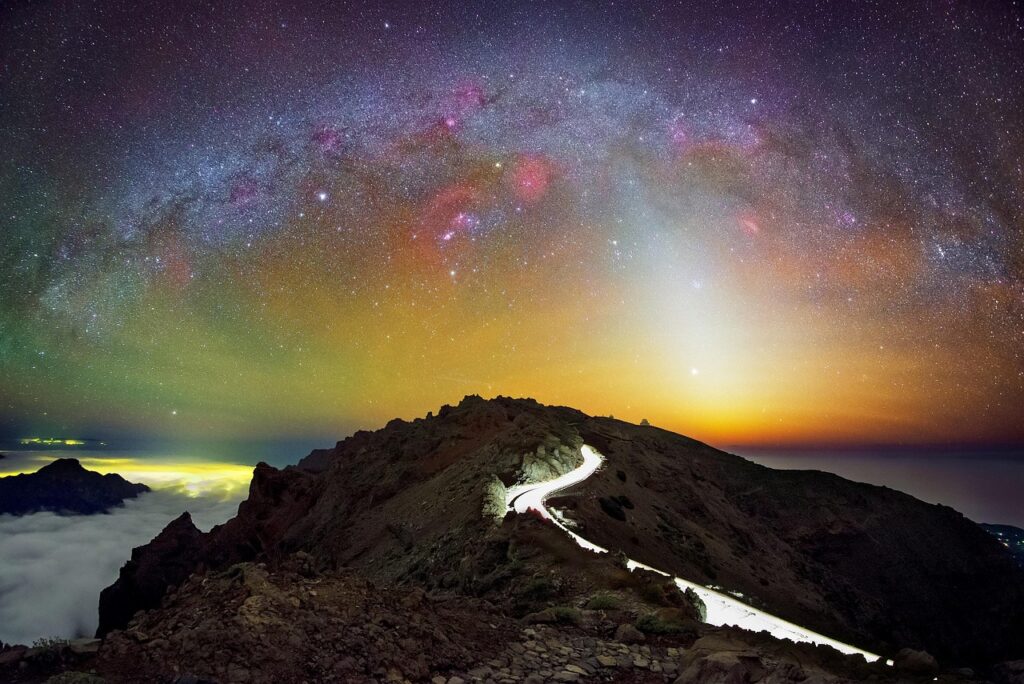
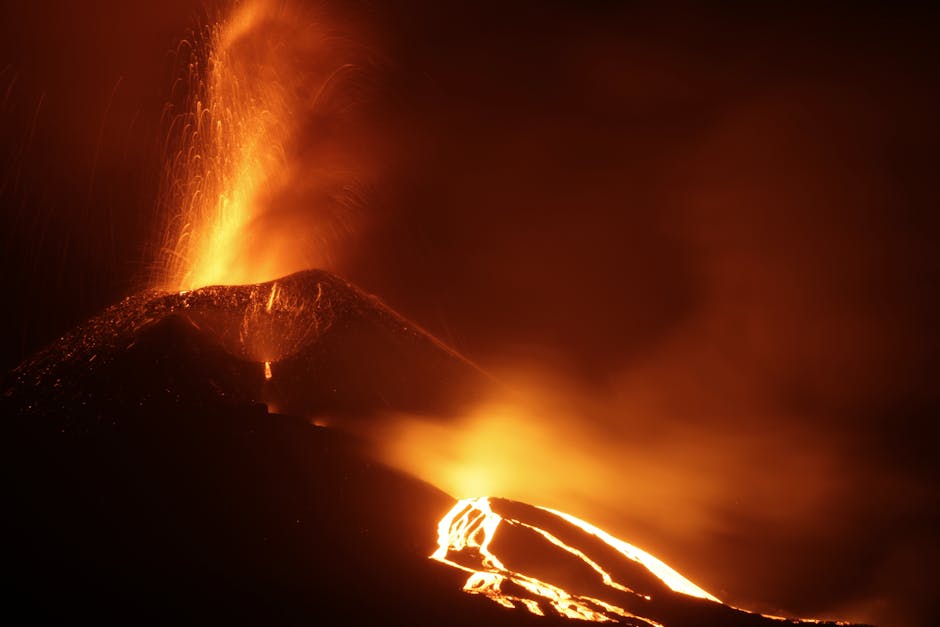
Stromboli, the northernmost island of the Aeolian Islands (Isole Eolie), is one of Europe’s most thrilling spots for night photography. The crater’s almost constant volcanic activity, visible from the sea and several vantage points on the island, produces glowing flashes, lava fountains and plumes of smoke that create a one-of-a-kind light show—perfect for both digital sensors and film. The combination of very dark skies (far from big-city light pollution), calm seas, and dramatic topography (the Sciara del Fuoco cliff) gives images a tension between incandescent motion and the surrounding stillness.
This guide is written for photographers—hobbyists and pros alike—planning a night shoot on Stromboli. It covers practicalities (how to get to the island, useful addresses, schedules and fares), the best vantage points and on-the-ground access, detailed camera settings to capture volcanic bursts and the Milky Way, options for boat trips, and essential safety precautions. You’ll also find local tips (access times, seasons, best tides, respectful behavior), plus specific accommodation and dining recommendations so you can stay comfortable and optimize your nighttime outings.
Shooting Stromboli at night is more than a technical challenge: it’s a sensory experience. The smell of sulfur sometimes hangs in the air at sunset, locals exchange news in narrow lanes, and the silhouettes of boats cut across the horizon as they ferry spectators offshore. The key moment for eruption photos is usually after dark, when contrast between red lava and the black sky is strongest. Keep in mind, though, that volcanic activity is unpredictable: some nights bring dramatic explosions every 10–20 minutes, others only a few scattered glows. Good preparation, knowing the safe viewpoints and following local authority guidance will greatly increase your chances of coming home with memorable images.
Getting to Stromboli: Routes, Ports, Schedules and Practical Fares
Getting to Stromboli usually means traveling via Sicily or another Aeolian island (Salina, Lipari, Panarea). The two main operators are Liberty Lines (hydrofoils) and Siremar/Ofiasis (line ships and ferries). Here are the most useful details to plan your arrival.
- Main departure port — Milazzo (Sicily)
Port address: Porto di Milazzo, Via Circonvallazione, 98057 Milazzo ME, Italia.
Operators: Liberty Lines (hydrofoil) and Siremar (ferry).
Typical schedules: Liberty Lines usually departs Milazzo for Stromboli between 07:00 and 10:00 with returns between 15:00 and 19:00 depending on the season; Siremar sometimes offers later crossings.
Approximate fares (one way): Liberty Lines €35–€50; Siremar €25–€40 depending on season and vessel type. Prices fluctuate significantly in high season (July–August). - Hydrofoils from Lipari
Departure port: Porto di Lipari, Via Pietro Novelli, 98055 Lipari ME, Italia.
Timetable: several daily departures, especially in high season, between 08:00 and 18:00.
Approximate fares: €10–€25 one way. Duration: 20–50 minutes depending on the boat. - Arrival at Stromboli — Marina Corta
Arrival address: Porto di Stromboli – Marina Corta, Via Marina Corta, 98050 Stromboli ME, Italia.
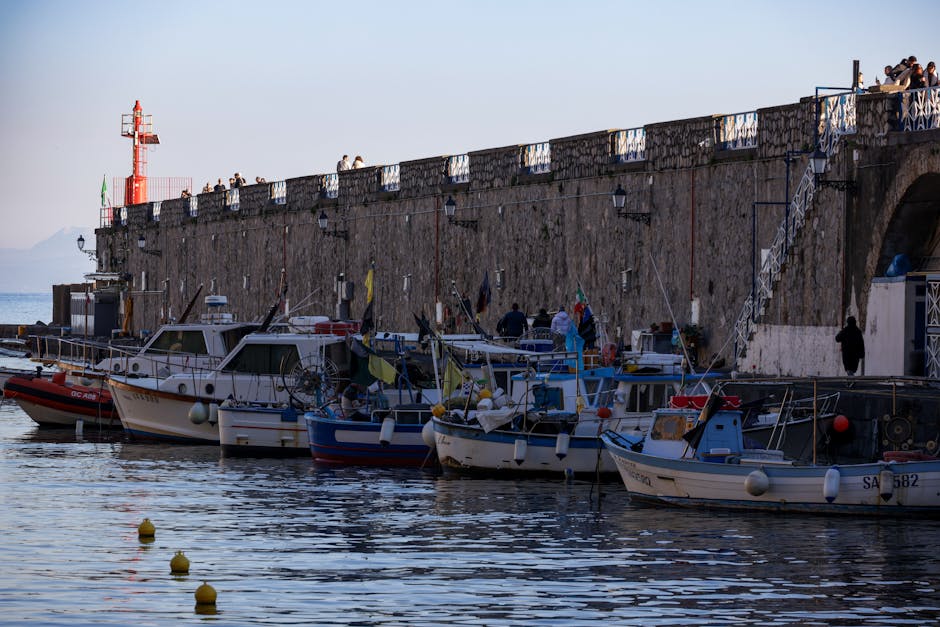
Description: Marina Corta is the main port where most hydrofoils and small ferries dock. From here you can walk to the main village, accommodations or trailheads. In summer, shuttle services and local taxis (scooters, donkeys in Ginostra) may be available. Landings typically occur between 08:00 and 20:00 depending on services.
Practical tips: book crossings early for July and August. Check weather forecasts: rough seas can delay or cancel night crossings. Carry small change (euros) for baggage surcharges and last-minute tickets at the port.
Best Vantage Points and Useful Addresses on the Island for Night Photography
Stromboli is small but offers several outstanding viewpoints to photograph the crater and the Sciara del Fuoco. Below are precise locations, addresses and immersive descriptions for each spot, including access conditions and composition tips.
- Marina Corta (main port)
Address: Via Marina Corta, 98050 Stromboli ME, Italia.
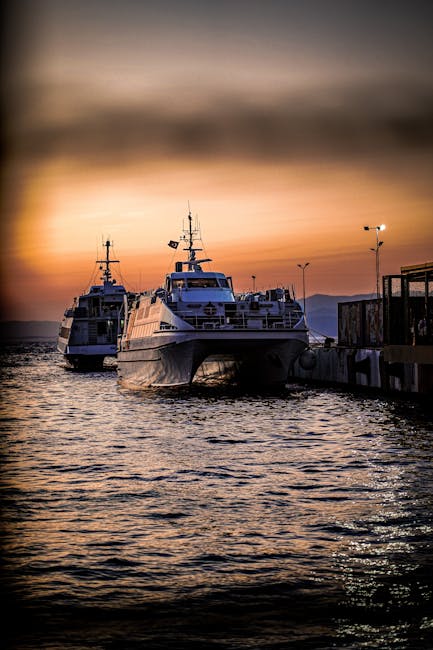
Description: Arrival point and handy landmark. The pier and the terraces of nearby cafés offer initial views of the island lit up at night. Perfect for compositions that combine boat silhouettes with the summit in the background. Access: easy, no significant elevation; good for scouting and early twilight shots. Local hours: most cafés and small restaurants open between 18:30 and 23:30. Prices: drinks €3–€6; meals €15–€40 depending on the place. - Piazza San Vincenzo / Via Roma (village heart)
Address: Via Roma, 98050 Stromboli ME, Italia (historic center around San Vincenzo church).
Description: Cobbled lanes and terraces where streetlamp light creates a warm, intimate atmosphere. Use these scenes for mood-setting frames before heading up to higher viewpoints. Business hours: shops and restaurants typically open 10:00–23:00 in high season. - Punto Panoramico / Trail to the Sciara del Fuoco
Description: Several marked paths lead to panoramic overlooks above the Sciara del Fuoco—the lava ravine that drops into the sea. The GPS coordinates for the main viewpoint are often shared by local guides (approximately 38.789°N, 15.213°E). Access: a 30–60 minute hike from the village. Night access to the trail is strictly regulated and often forbidden without a guide; check with local authorities. Some agencies offer guided night hikes with permits and mandatory helmets. Local guide rates: €30–€60 per person for a 3–4 hour night outing (variable). - Ginostra (remote hamlet)
Address: Ginostra, 98050 Stromboli ME, Italia.
Description: Ginostra is a tiny cove accessible only by sea or a long coastal trail. Its remoteness guarantees very dark skies and a unique perspective to photograph Stromboli from the opposite side of the Sciara. Hours: no motor vehicles, a few shops and a tiny bar; most services close around 22:00. Boat access from Marina Corta: shuttles and private skiffs; indicative fares €10–€30 round trip depending on time and season.
Composition tips: include a foreground element (rock, boat, terrace) to give scale to the eruptions. The Sciara del Fuoco works well in vertical frames to show the column of lava descending to the sea; for panoramas, plan a stitched horizontal sequence at dusk or night to capture the activity arc along the ravine.
Detailed Photographic Techniques: Settings, Gear and Methods to Capture the Bursts
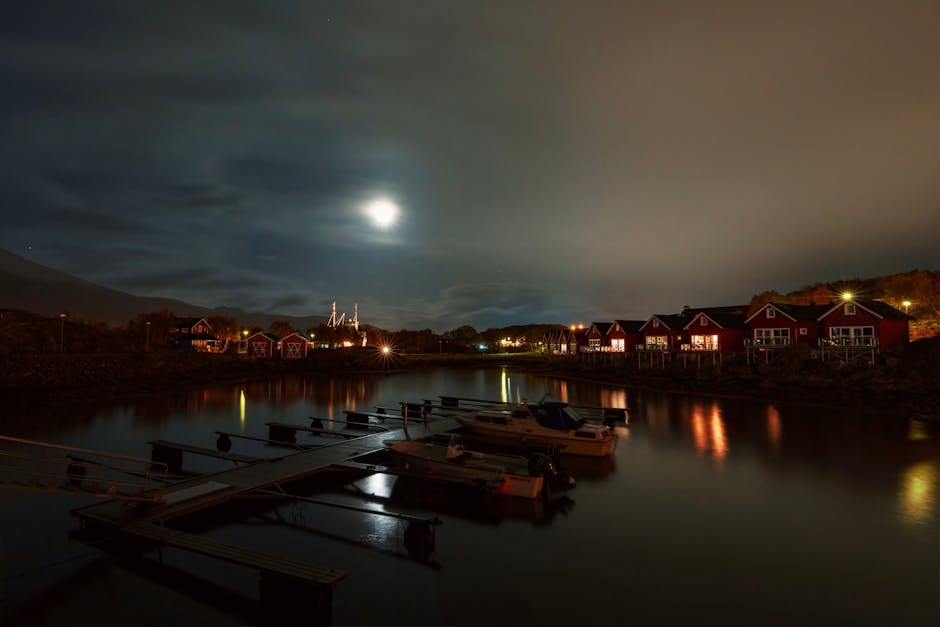
Night photography of an active volcano demands solid fundamentals (exposure, focus, composition) and some specific settings to handle the intermittent light of explosions. Below you’ll find starter settings, focusing tips, lens choices and advanced techniques like long exposures and bracketing.
- Recommended gear
- Camera body: full-frame if possible for better noise control at high ISOs.
- Lenses: wide-angle 16–35mm for panoramas and scenes including the sea; telephoto 70–200mm or 100–400mm to isolate eruptions at the crater.
- Sturdy tripod: essential for long exposures and bracketing. Recommended weight >1.5 kg for stability in windy conditions.
- Remote release / intervalometer: to avoid touching the camera during long exposures and for timelapses.
- Filters: no ND filters for photographing eruptions (they can be very bright in short bursts), but use a lens hood for protection against dust and wind.
- Basic settings — starting points
- Mode: Manual (M).
- Aperture: f/2.8–f/5.6 depending on the lens; f/4 is a good compromise between sharpness and depth of field.
- ISO: start at ISO 400–800 for long exposures, raise to ISO 1600–3200 if you want to use faster shutter speeds to freeze lava sprays. Modern full-frame cameras often handle ISO 3200 acceptably.
- Shutter speed: to capture multiple bursts in one frame, use long exposures of 5–20 seconds. To freeze a specific explosion, try 1/25–1/125 s while boosting ISO (favor a telephoto lens and strong stabilization).
- Focus: switch to manual focus; use infinity focus or focus on a distant glow using 100% live view for precision.
- Advanced techniques
- Multiple long exposures: take a series of 10–20s exposures to stack bursts into a composite (blend in post using the « lighten » mode)—this preserves landscape detail without overexposing each eruption.
- Exposure bracketing: shoot ±1 EV to ensure recoverable highlights (lava) and shadow detail (sea/rock).
- Timelapse: interval 5–15s depending on eruption frequency; use an intervalometer with external power if you plan multi-hour sequences. Note: batteries and cables can get cold at night.
- Focal stacking is not recommended for moving subjects (lava), but it can help ensure sharpness across the landscape at dusk before eruptions start.
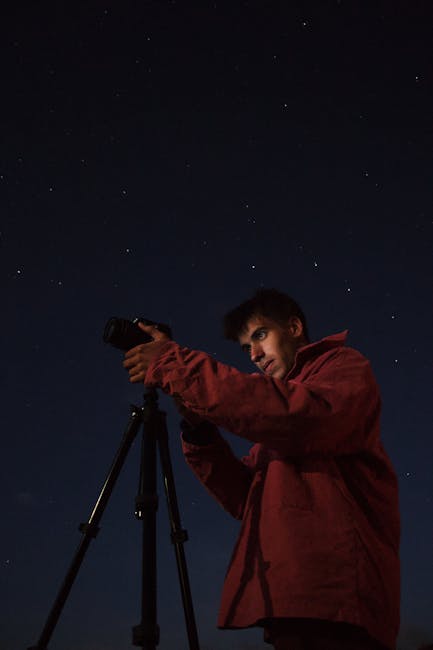
Practical tip: test your settings during twilight. The blue-hour transition is the best time to dial in composition and focus without risking missed first explosions. Bring two batteries, duplicate memory cards, and a small headlamp with a red filter to preserve night vision and avoid disturbing other photographers.
Boat Trips, Guided Tours and Safety: Night Experiences at Sea
Watching Stromboli from the sea is a unique experience: the frontal view of the Sciara del Fuoco lets you see lava blocks fall into the water and creates graphic photos with the marine horizon. But the sea brings risks—currents, waves from projections, and strict rules about safe distances. Here are the options, service contacts and rules to know.
- Navigation companies and contacts
– Liberty Lines (inter-island hydrofoils): Sede operativa principale, Porto di Milazzo, Via Circonvallazione, 98057 Milazzo ME — tel: +39 090 9270000 (office hours vary).
– Siremar (ferries): Via del porto, Milazzo (see port ticket office).
– Private night tours: several small local boats offer observation trips after sunset; meet at Porto di Stromboli – Marina Corta (Via Marina Corta, 98050 Stromboli ME). Indicative fares: €30–€80 per person depending on duration (1.5–3 hours) and type of craft; private hire from about €150–€400 depending on size and time. - Safety rules and regulated distances
The area around the Sciara del Fuoco is sometimes subject to navigation restrictions imposed by the Protezione Civile and the Harbor Authority (Capitaneria di Porto). Boats must respect a safety distance—often 400–500 meters—to avoid projections and pyroclastic fallout. Reputable operators provide mandatory life jackets and safety briefings before departure. All tours are cancelled in case of a volcanic alert. - Photo tips for boat-based shooting
– Use a wide aperture if you want to keep a relatively fast shutter speed (around 1/60 s) to reduce blur caused by boat movement.
– Secure your camera with a harness or strap around the tripod; otherwise favor slightly slower speeds and embrace motion for an artistic effect.
– Bring waterproof covers and lens wipes: sea spray can hit your glass during explosions.
– Think about power: bring spare batteries—night trips are long and power-hungry due to long exposures and screen use.
Local Advice, Regulations, Environmental Respect and Recommended Places to Stay
The Strombolani (residents of Stromboli) have lived with volcanic activity for generations. Photography tourism brings income but also requires responsible behavior. Here are local recommendations, common-sense rules, and useful addresses for lodging and dining.
- Follow the rules
– Do not attempt a crater ascent without a certified guide. Local authorities (Comune di Lipari for the Aeolian Islands) and the Protezione Civile can order temporary closures.
– Avoid walking off marked trails on the Sciara del Fuoco; the rock is unstable.
– Respect the night: avoid bright white lights during observations so you don’t disturb the view or local nocturnal wildlife. - Recommended places to stay
– Hotel Raya
Address: Via Marina, 98050 Stromboli ME, Italia.
Contact & services: small family-run hotel with a sea-facing terrace and on-site dining. Indicative rates: double rooms €90–€220 per night depending on season. Check-in: usually from 14:00; check-out: 10:00.
– B&B Casa del Vulcano (example of a local stay)
Address: Via Roma (center), 98050 Stromboli ME, Italia.
Indicative rates: €60–€140 per night depending on room and season. - Restaurants and cafés to eat before/after your night outings
– Ristorante Da Lucia (indicative address): Via Roma 14, 98050 Stromboli ME — local cuisine, grilled fish. Hours: 19:00–23:30. Average prices: mains €15–€30.
– Bar Pizzeria Marina Corta: Via Marina Corta, 98050 Stromboli ME — coffee, snacks and pizzas; often open 08:00–00:00 in high season; pizza €6–€12. - Local tips
– Talk to local guides: their knowledge of the island and volcanic conditions is invaluable; they’ll point out safe spots and the best time windows for activity.
– Bring a headlamp with a red filter; it preserves your night vision and won’t blind other photographers.
– Keep the island clean: waste management capacity is limited; take your trash with you if needed.
– Let your accommodation know if you’ll be returning very late: some places don’t have 24-hour reception; having local phone numbers helps arrange late returns.
Conclusion — Planning Your Photo Trip to Stromboli: Summary and Final Tips
Shooting Stromboli at night is an adventure that blends technical preparation, respect for local rules and a sharp eye for timing. The island offers unique opportunities: luminous explosions, incandescent streams along the Sciara del Fuoco, reflections on a black sea and often remarkably clear starry skies. To maximize your chances, plan around crossings (Milazzo, Lipari), book accommodations in advance (for example Hotel Raya or local B&Bs on Via Roma / Marina Corta), and arrange guided outings for sensitive spots like the official belvederes.
On the photographic side, bring a solid tripod, a remote trigger, and lenses ranging from wide-angle to telephoto so you can switch between sweeping scenes and tight eruption details. Start testing settings at dusk, adapt ISO and shutter speed to balance noise and sharpness, and consider image composites to show repeated explosions in a single frame. At sea, choose reputable operators who respect safety distances; on land, avoid restricted zones and follow Protezione Civile recommendations.
Finally, remember that eruptions are living, unpredictable phenomena. Much of your success will come down to patience: stay late, come back on multiple nights if you can, and talk to locals and guides to spot the best activity windows. Treat the island with respect—its environment, traditions and safety are the keys to a successful trip. With the right mix of logistical, technical and ethical preparation, you’ll return not only with great images but with the powerful experience of witnessing one of Europe’s most spectacular natural displays.