





Introduction : Stromboli, le volcan qui murmure et crache la Méditerranée
Stromboli is more than an island — it’s a living phenomenon. Located north of Sicily in the Aeolian archipelago, the small island of Stromboli (Comune di Lipari, 98050 Stromboli ME, Italia) rises as a volcanic cone straight out of the Tyrrhenian Sea, offering a one-of-a-kind geological and marine spectacle. Locals, who make their living farming and fishing, live alongside the rumbles and incandescent bursts. The island is famous for its strombolian activity, a style of eruption marked by periodic explosions that hurl volcanic bombs, ash and sometimes lava flows that reach the sea. Observed for centuries, this activity has shaped the local culture: nighttime vigils along the Sciara del Fuoco, oral storytelling, and an economy oriented around adventure tourism and authentic Mediterranean life.
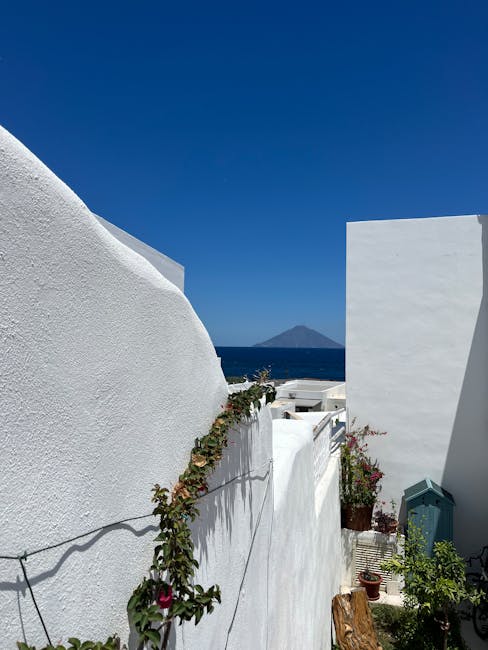
Getting to Stromboli takes some planning: most sea links depart from Milazzo and Messina in Sicily, and from Naples on the Campania coast during high season. Schedules vary with weather and season; check departures with companies like Liberty Lines (Ufficio Porto di Milazzo, Piazza F. Crispi 1, 98057 Milazzo ME) or Siremar/Ustica Lines. Visitors usually arrive at the Porto di Stromboli (98050 Stromboli ME) before exploring the white-washed alleys of the borgo, the black-sand beaches, the steep trails and, of course, the path that leads up to the craters.
This practical guide aims to give useful information (exact addresses, approximate prices in euros, suggested times), immersive descriptions and local tips so you can experience Stromboli safely and fully. You’ll find recommendations for watching volcanic activity from safe viewpoints like the Sciara del Fuoco, for taking a guided climb to the crater rim, for enjoying the villages of Stromboli and Ginostra, and for choosing boat trips that match your expectations. Whether you’re a geology buff, a night-sky photographer or a seasoned hiker, Stromboli calls for respect — for the currents, the unpredictable weather, and above all for the power of nature that sometimes whispers and sometimes spews into the Mediterranean.
1. Se rendre à Stromboli et préparer votre arrivée (logistique et conseils pratiques)
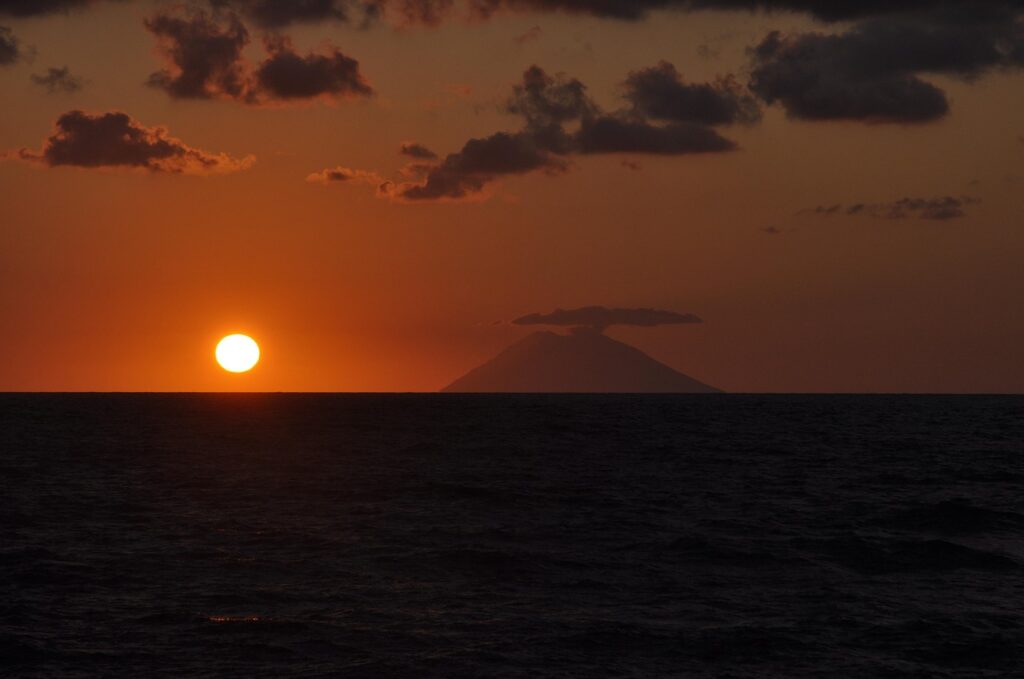
Reaching Stromboli usually involves a combination of ferry and sometimes hydrofoil. The most frequent connections from Sicily leave from the Porto di Milazzo (Piazza F. Crispi 1, 98057 Milazzo ME) with Liberty Lines and Siremar. Indicative fares: Liberty Lines hydrofoil Milazzo → Stromboli one-way around €40–45 (child discounts available), Siremar ferry for vehicle + passengers from Milazzo around €55–70 depending on season and vehicle size. Departures: generally between 08:00–10:00 and 14:00–17:00 in high season; off-season there are usually only a few crossings per day. From Naples there are seasonal ferries (Porto di Napoli, Molo Beverello): expect €35–60 depending on boat type and booking.
Arriving at the Porto di Stromboli, located at Piazzetta San Vincenzo, 98050 Stromboli ME, passengers step onto a simple pier lined with cafés and small shops. Luggage is often carried by hand by porters if you arrive late; accommodation addresses are commonly given as « Via Marina » or « Via Roma » without exact numbers; here are some useful landmarks:
- Ufficio Informazioni Turistiche Stromboli, Via Roma 1, 98050 Stromboli ME — Hours: 09:00–13:00 and 16:00–19:00; local phone 090 981xxxx (check locally); free brochures.
- Porto di Stromboli (arrival point), Piazzetta San Vincenzo, 98050 Stromboli ME — Open 24/7, but services are limited at night.
Local tips: book sea crossings at least 7–10 days in advance during high season (July–August). Bring water, sturdy hiking shoes and a headlamp if you plan the night climb. Mobile reception can be spotty — keep a paper copy of confirmations. Also be aware that weather and volcanic activity can cause last-minute boat cancellations: buy flexible travel insurance.
2. Observation de la Sciara del Fuoco et excursions en bateau
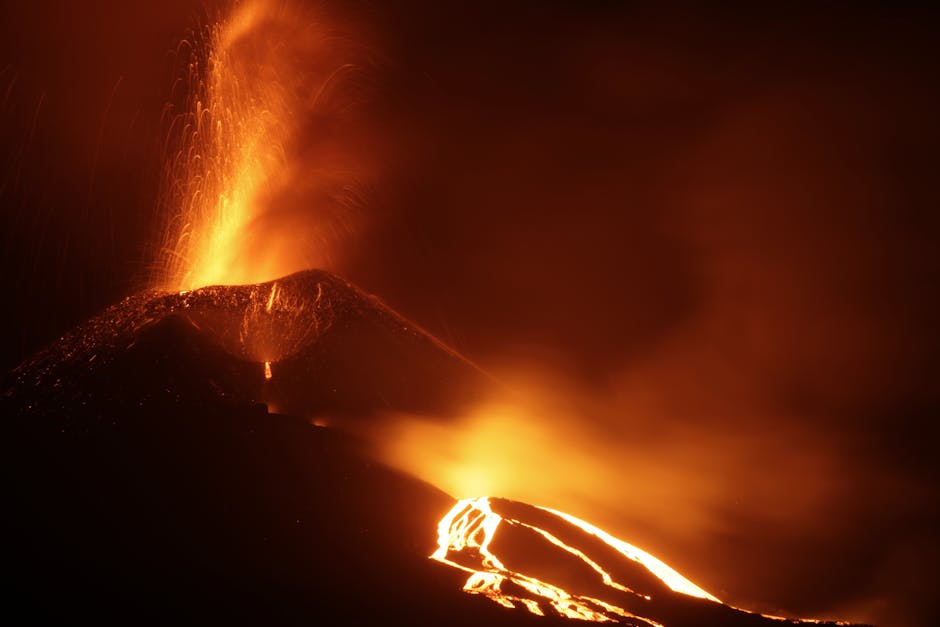
The Sciara del Fuoco is the iconic spot to watch volcanic bursts at sunset or after dark. It’s a wide black scarp that drops straight into the sea on the volcano’s western flank. For safety reasons, authorities and local guides recommend viewing from official points or from the sea at a safe distance. The best land viewpoints are the Punta Lena area (reachable on foot) and marked observation platforms near the village.
For a sea-based view, several operators run Sciara del Fuoco tours at sunset:
- Escursioni in Barca Stromboli, Porto di Stromboli, Piazzetta San Vincenzo — Evening Sciara del Fuoco tour: €30–45 per person, departures 19:00–21:30 in July–August; duration 2–3 hours; may include a night swim stop depending on conditions.
- Goleador Boat Tours, Via Marina 5, 98050 Stromboli ME — Private excursion €150–250 depending on boat capacity; phone booking recommended; flexible departure at sunset.
Immersive description: sliding across a dark sea, the boat’s lapping is a hush until suddenly the sky ignites with molten jets. Explosions seem to freeze time — little lanterns of lava falling and shattering into sparks before vanishing. Photographers: use a tripod, a wide aperture (f/2.8–f/4) and short exposures to freeze the bombs; to capture streaks try longer exposures and ISO bracketing.
Practical advice: arrive 30 minutes before boarding, bring a windproof jacket (the sea cools quickly), and confirm your operator has a local navigation permit. Tours can be cancelled for rough seas or safety restrictions tied to increased volcanic activity.
3. L’ascension guidée jusqu’aux cratères : risques, prix et organisation
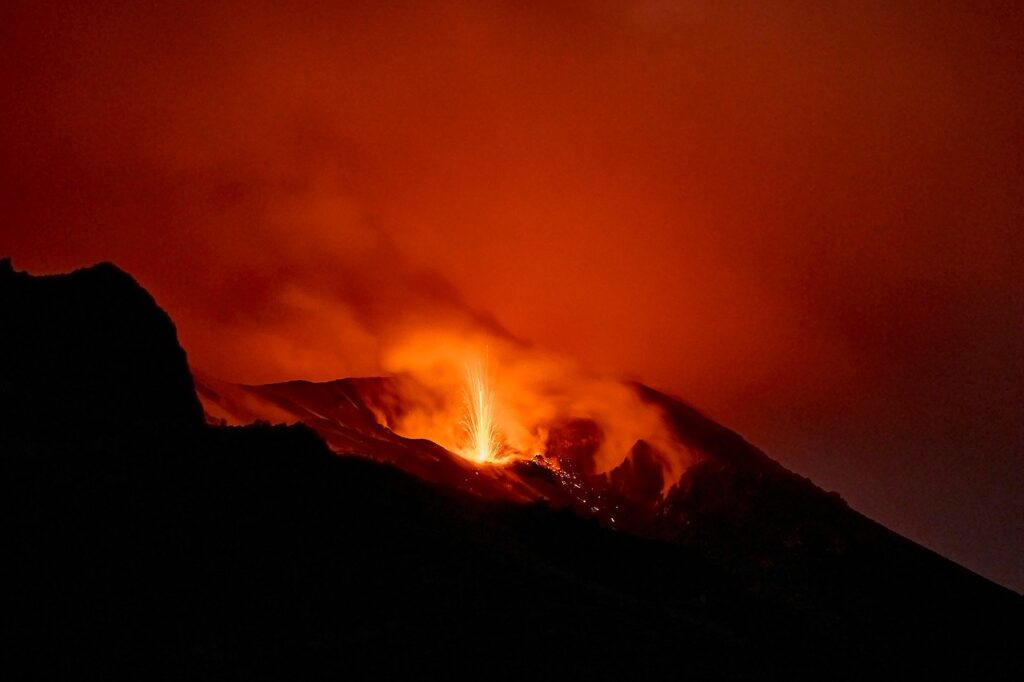
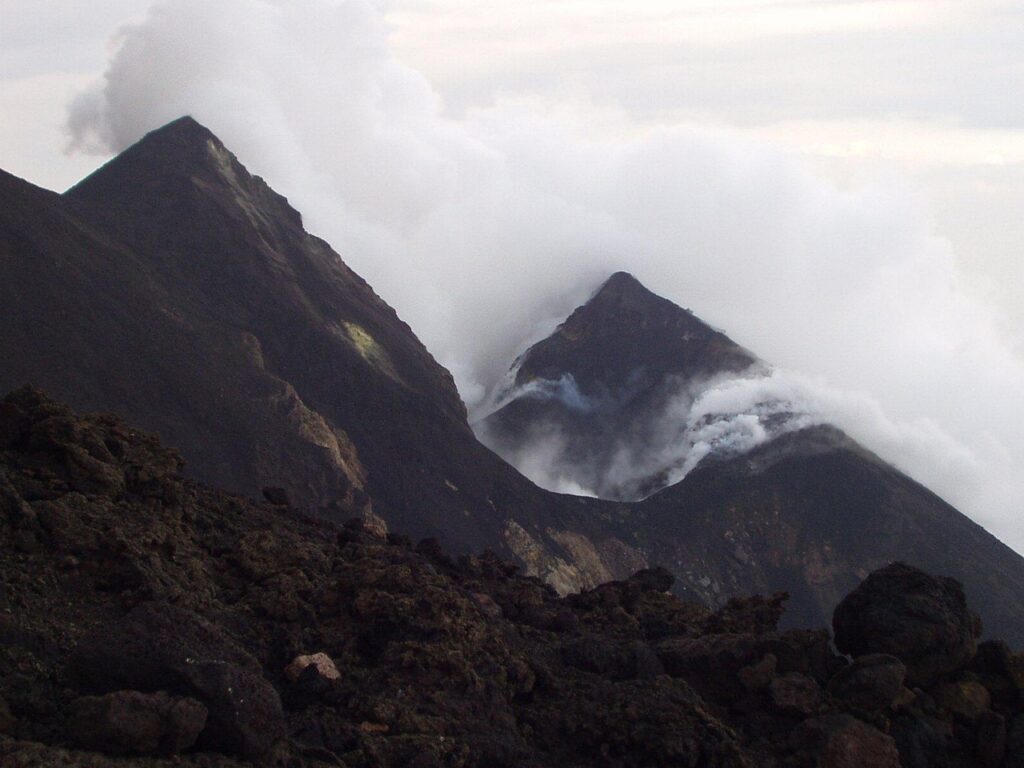
Climbing to Stromboli’s summit (924 m) is the most sought-after experience but also the most regulated. Access to the summit plateau and crater rims is only allowed with licensed local guides, to ensure safety against explosions and falling pyroclastic material. Guides know the geology, safety procedures and evacuation routes.
Check with local agencies:
- Guide Ufficiali Escursioni Stromboli, Via Roma 2, 98050 Stromboli ME — Prices: €35 per person for the ascent up to 400 m (panorama point), €70 per person for the climb to views close to the craters (includes helmet, headlamp, poles); departures 15:30–17:00 for summit walks depending on season; groups limited to 12 people.
- Stromboli Volcano Trek, Via Marina 8, 98050 Stromboli ME — Photo-focused specialized excursion: €90 per person (small group); offers a naturalist and photographic perspective.
Typical itinerary: meet at the starting point (often Ginostra or the main village depending on the operator); gradual ascent on ash trails and volcanic rocks; a pause before the monitored zone. Guides provide helmets and headlamps; descent is usually done at night to enjoy the volcanic flashes. Duration: 4–6 hours round trip depending on pace and weather.
Safety and limits: never attempt the climb alone. Follow your guide’s instructions: forbidden zones, minimum distance rules, and evacuation paths. Minors and people with reduced mobility are assessed case by case. If a volcanic alert is issued, access is closed immediately and guides will organize return to the village.
4. Villages, gastronomie et conseils pour séjourner sur l’île
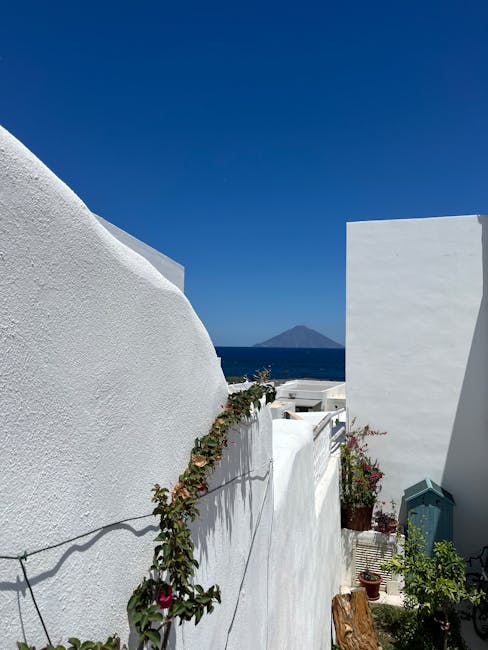
Stromboli has two main settlements: Stromboli (the port and the borgo) and Ginostra, a tiny village accessible only by boat and on foot, with no drivable roads. The charm is in the white alleys, stone stairways and the ever-present sea. For accommodation, here are some addresses and references:
- Hotel La Sciara, Via Marina 10, 98050 Stromboli ME — Double rooms from €80–120 per night depending on season; breakfast included; booking recommended.
- Casa Vacanze Il Gabbiano, Via Roma 4, 98050 Stromboli ME — Apartments from €70 per night; equipped kitchen.
- Bar Ristorante Da Alfredo, Via Marina 12, 98050 Stromboli ME — Fresh fish specialties, wood-fired pizza; dishes €10–18; open 12:00–15:30 and 19:00–23:00.
- Ristorante La Lampara, Via San Vincenzo 3, 98050 Stromboli ME — Volcano tasting menu (antipasto, primo, secondo) around €35–45 per person; evening reservations recommended.
Local cuisine: fresh-caught fish (pesce azzurro), capers, Stromboli lemons and seafood pasta dominate. Try local specialties like spaghetti alle vongole and ricotta-based desserts. For a quick coffee, port bars serve espressos around €1–1.50; a 1.5 L bottle of water costs €1–2.
Practical tips: Ginostra is reachable by shuttle boat from the Porto di Stromboli (fare €5–10 depending on season; timetables posted at the port). There are no cars: you’ll get around on foot. Carry cash; some small shops don’t accept cards. Respect quiet hours: island life winds down after 23:00.
5. Activités complémentaires : plages, plongée et photographie
Beyond the climb and Sciara tours, Stromboli offers black-sand beaches, diving spots and viewpoints for photography. Spiaggia di Ficogrande (Porto di Stromboli, 98050 Stromboli ME) is the main beach, a 10–15 minute walk from the port. Amenities: sunbeds and umbrellas €10–15 per day, public beaches free.
Diving and snorkeling: several centers offer introductory dives and guided trips around the volcanic drop-offs. For example:
- Centro Sub Stromboli, Via Marina 6, 98050 Stromboli ME — Introductory dive €60–80; gear rental €15–25 per day; open 09:00–18:00 in high season.
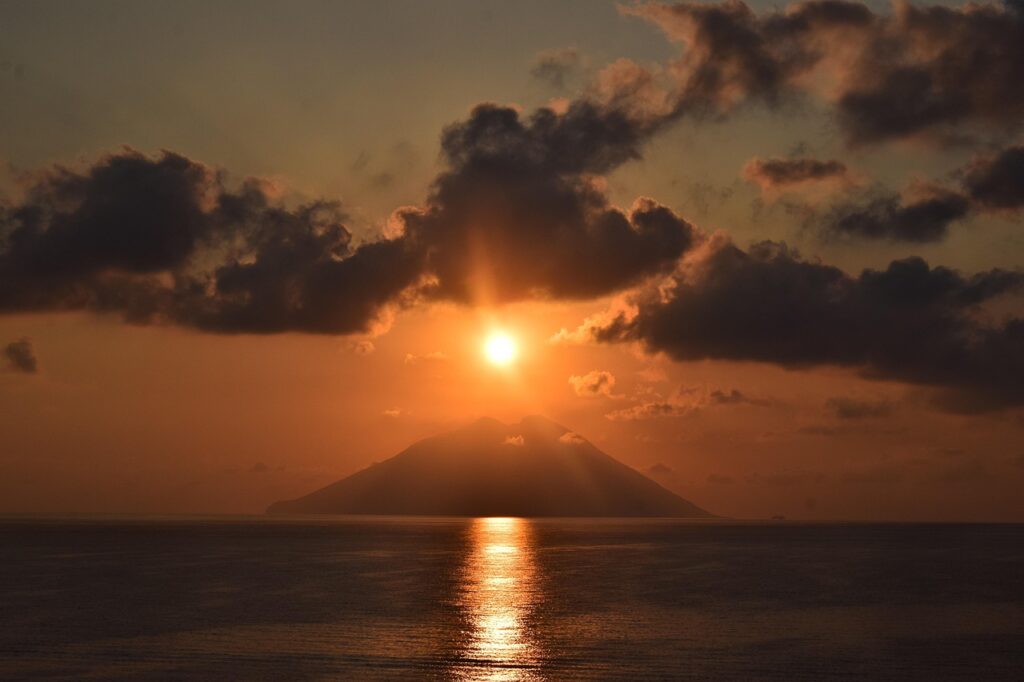
Photography: the best times are the golden hour at sunset and nighttime to capture the volcano’s flashes. Recommended spots: Punta Lena for silhouettes, the port for reflections, and the summit for 360° panoramas. Bring ND filters for long exposures and spare batteries (power isn’t guaranteed on the island).
Conseils locaux finaux pour profiter de l’île
Respect nature: leave no trash, don’t approach hot fissures and follow directives from the Protezione Civile and your guides. Embrace the Mediterranean slow pace: wander the alleys, share a glass of Malvasia delle Lipari (local wine) and listen to the volcano’s whisper — sometimes muffled, sometimes roaring, always present.
Conclusion : rester humble face à Stromboli et repartir transformé
Stromboli offers a lesson in humility and wonder. Travelers often come away marked by the island’s duality: the delicate beauty of white villages and the raw, luminous brutality of volcanic blasts. This guide is meant to help you plan a safe, richly rewarding stay — from practical ferry crossings to local addresses, indicative prices and common schedules, to essential safety tips for climbing and watching the Sciara del Fuoco.
Before you go, make sure you have: printed or saved ferry confirmations, contacts for local guides, warm clothes for the night, sturdy shoes, a headlamp and travel insurance. Be ready to accept weather and volcanic hiccups; sometimes a boat departure will be cancelled, sometimes summit access will be closed — nature calls the shots. But if you follow the rules and work with local professionals, Stromboli will reward you with an unforgettable show: red bursts against a black sky, the scent of sulfur mixed with salt, and the sense of feeling the earth breathe beneath your feet.
Finally, give yourself time: Stromboli also unfolds in slow motion — a morning stroll on Spiaggia di Ficogrande, a cup of coffee at the port, a chat with a fisherman showing his catch of the day. The island whispers old stories and invites you to listen closely. Respect it, hear it, and it will reveal its secrets as bright, powerful memories.