





Introduction — Responsible snorkeling in the Aeolian Islands: why it matters and how to do it
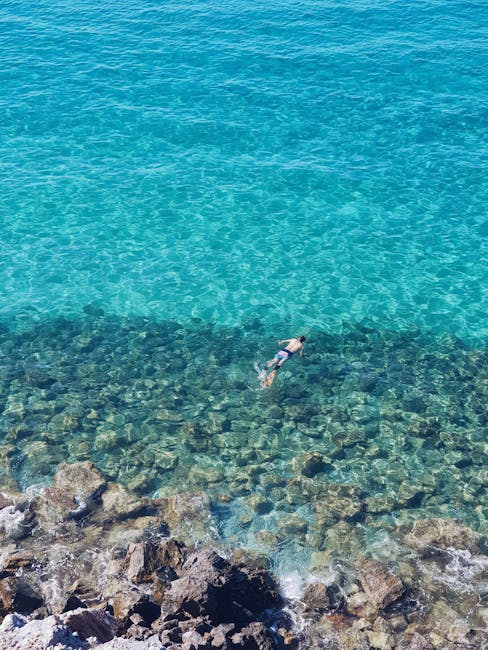
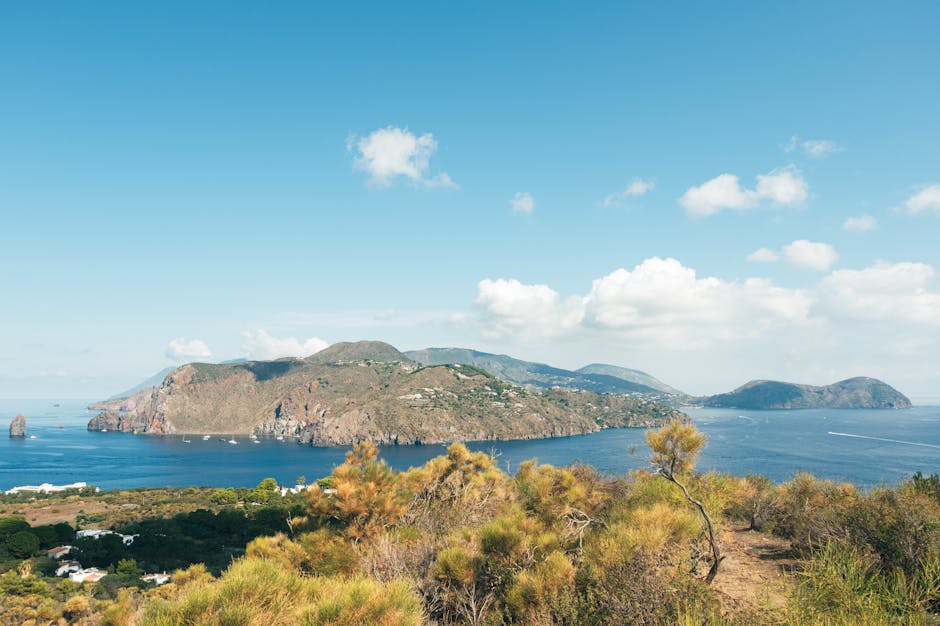
The Aeolian Islands, a volcanic chain off Sicily, host some of the Mediterranean’s most dramatic and diverse seabeds. Lipari, Salina, Vulcano, Stromboli, Panarea, Filicudi and Alicudi feature underwater landscapes ranging from crystal-clear posidonia meadows to life-filled volcanic faults, dramatic caves and sheer drop-offs. Snorkeling is accessible to most visitors, but the fragility of these ecosystems and high visitor pressure make a responsible approach essential: watch without disturbing, photograph without harassing, and navigate without damaging.
This comprehensive guide, aimed at eco-conscious travellers and snorkeling enthusiasts, explains how to plan a sustainable snorkeling trip in the Aeolian Islands. We cover the basic rules to follow, recommended gear, approach techniques to minimize impact on wildlife and habitats, as well as detailed routes around well-known spots with practical info — addresses, usual hours, and indicative prices — so you can plan safe, low-impact outings. You’ll also find local tips you won’t often hear elsewhere, like the best times for optimum visibility, areas where anchoring is forbidden to protect Posidonia oceanica, and how to pick a snorkeling operator that truly follows ethical practices.
The aim isn’t simply to list tourist spots. It’s to turn every immersion into a respectful experience: learn how to report scientific sightings, follow marine regulations, and support businesses committed to conservation. That way your visit contributes positively to the island economy without compromising the natural assets that draw so many people.
This guide includes concrete recommendations for Lipari, Panarea, Salina, Vulcano and Stromboli — access points to marine sites, local rental outlets, prices in euros (indicative), and typical schedules to plan your outings. Each section is designed to give you practical, immersive, and immediately usable information for practicing responsible snorkeling in the Aeolians. Prepare your mask, observe, respect — and leave the underwater ecosystems as you found them.
1) Core principles of responsible snorkeling in the Aeolian Islands
Before you get in the water, a few simple principles will help protect marine habitats and local wildlife:
- Do not touch or handle: avoid any contact with corals, rocks, fish, crustaceans and posidonia meadows. Touching can cause deadly stress or spread pathogens.
- Keep your distance: stay at least 2 to 3 meters away from animals to observe natural behaviour — dolphins, groupers, seabirds and turtles (in transit areas) react to sudden movements.
- No feeding: feeding fish alters their behaviour, favours opportunistic species and disrupts the ecological balance.
- Use reef-safe sunscreen: conventional sunscreens contain chemical filters harmful to marine organisms. Choose mineral-based sunscreens certified as « reef-safe ».
- Don’t stir up the seabed: avoid stabilizing yourself by placing hands or fins on the bottom. Sediment lowers visibility and smothers benthic life.
- Use marked entry and exit points: follow the designated paths on beaches and the ramps in harbours to prevent erosion and damage to coastal vegetation.
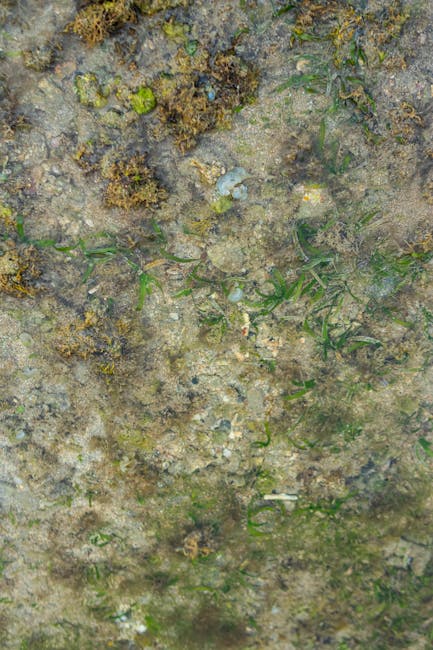
Knowing and applying these rules is especially important in the Aeolians, where posidonia (Posidonia oceanica) forms underwater meadows that are protected community habitats. These meadows stabilise the seabed, support biodiversity and store carbon. They are protected by local and national regulations: anchoring is often forbidden. Boat skippers and dinghy hire companies must use officially installed moorings or anchor only in authorised areas. If you rent a boat from Porto di Lipari (Via Porto, 98055 Lipari ME, Italy), ask the rental company for a map of protected zones.
Also, check local regulations: some marine zones around the islands may be part of marine protected areas (MPAs) or subject to conservation objectives. For example, around Panarea and Stromboli, navigation and anchoring restrictions are sometimes in effect during high season — check with local tourist offices and diving clubs for current schedules and conditions.
2) Equipment, safety and pre-entry best practices
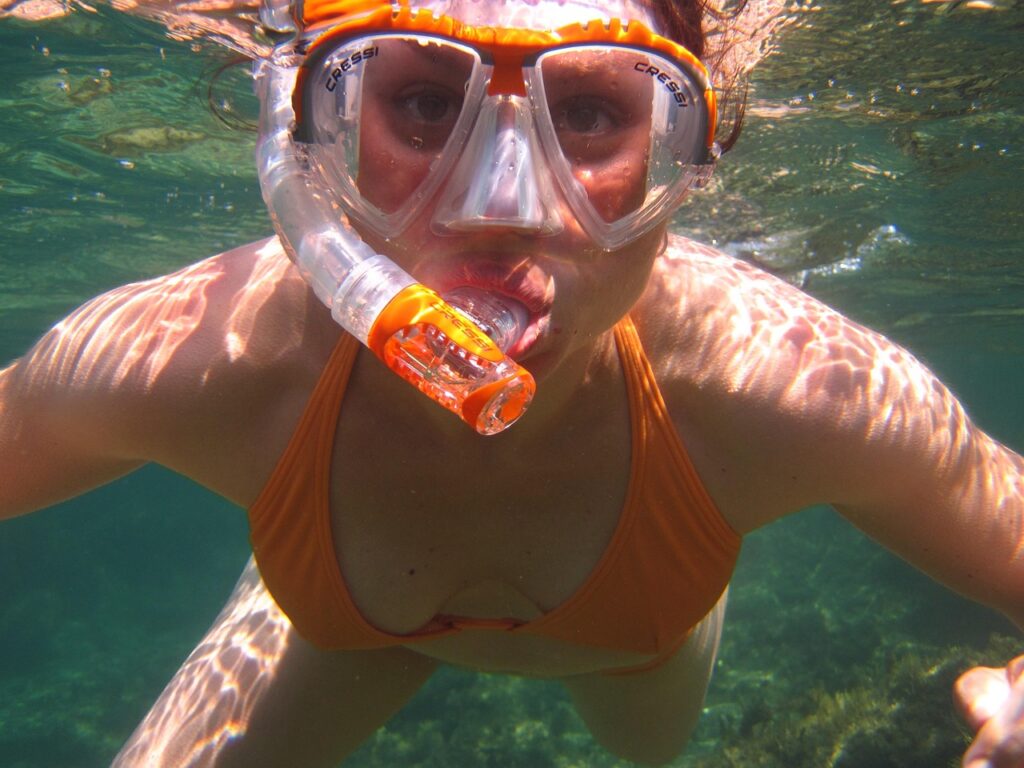
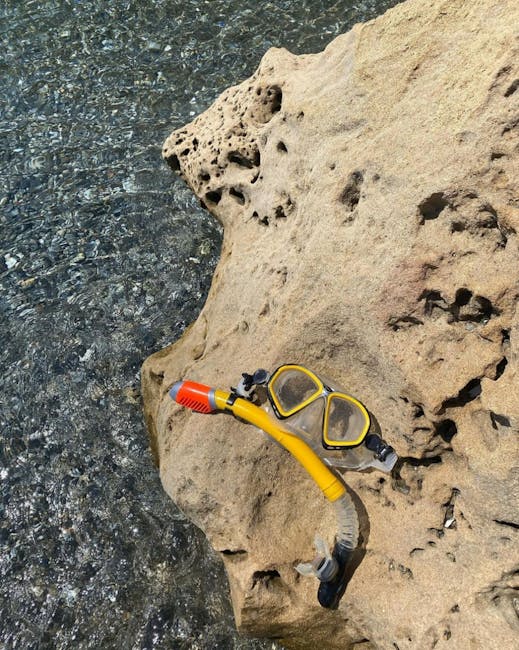
Responsible snorkeling starts with choosing the right gear and following strict safety rules. Basic equipment includes a well-fitting quality mask, a snorkel with a purge, light fins, a thin wetsuit (2 mm) if needed for protection against scrapes and hypothermia, and a buoyancy vest if you’re not confident in open water. Here are practical recommendations and places to rent or buy equipment in the Aeolians:
- Rental in Lipari: « Aeolian Snorkel & Dive », Via Mauro Gattuso 12, 98055 Lipari ME, Italy. Opening hours: 08:30–19:30 (high season). Mask+snorkel+fins rental ≈ €15 / day; guided snorkeling trip ≈ €35–50 per person (3 h). Booking recommended at +39 090 981 1234.
- Rental in Panarea: « Panarea Sea Center », Piazza San Pietro 1, 98050 Panarea ME, Italy. Opening hours: 09:00–18:00. Full kit ≈ €18 / day; guided boat trip (half day) ≈ €45 / person.
- Shop in Salina: « Salina Outdoor », Via Roma 8, 98050 Santa Marina Salina ME, Italy. Opening hours: 09:00–13:00 and 16:00–20:00. Premium masks ≈ €60–120, 2 mm wetsuits ≈ €40–70.
Before entering the water, do a visual and functional check of your kit: fit the mask on your face without overtightening the strap, test the snorkel, and inspect your fins. Warm up for a few minutes to reduce the risk of cramps. If you’re going out by boat, always inform the skipper of your route and your level; sign the safety form if requested. Reputable operators provide a safety briefing, explain zones to avoid and outline local marine life you may encounter.
Other good practices: don’t dive too deep if you’re untrained; respect a minimum visibility rule of 10–20 meters for orientation reasons; carry a whistle and a surface marker buoy so you can be spotted by other vessels. If there’s a current, stay with the group, follow your guide’s instructions and avoid swimming against the current: use drift techniques by letting yourself be carried slightly while controlling your direction.
3) Recommended spots and responsible itineraries with practical info
Here’s a selection of marine sites in the Aeolian Islands chosen for their biological richness and snorkel accessibility, with practical details (access points, best times to approach, indicative excursion prices) and tips to minimise impact.
- Cala Junco, Panarea — Located on Panarea near the village of San Pietro. Access: landing from boats or a short hike from the disembarkation area (Piazza San Pietro, 98050 Panarea ME, Italy). This semi-enclosed lagoon offers turquoise waters, sandy-rocky bottoms and schools of fish. Best time: calm mornings (08:30–11:00). Respect: avoid anchoring on intact meadows. Half-day boat trip from Panarea ≈ €50 / person.
- Basiluzzo and Dattilo rocks, north of Panarea — Small eroded volcanic formations with caves and abundant invertebrates. Boat trips usually depart from Porto di Panarea (Via Porto, 98050 Panarea ME). Recommendation: stay 3–5 m from underwater cliffs so you don’t scare wildlife and avoid using water jets.
- Cala degli Zimmari, Lipari — A small cove accessible from Lipari’s southwest coast. Road and trail access: Corso Vittorio Emanuele, 98055 Lipari ME, Italy to reach the coastal parking. Clear waters, rocky bottoms rich in gorgonians and rockfish. Best period: late morning at low tide for optimal visibility. Kayak and mask rentals at « Lipari Kayak », Via del Porto 3, 98055 Lipari. Kayak rates ≈ €20 / 2 h.
- Baia di Pollara, Salina — Volcanic cove famous for its cliffs and cavities. Access: SP184 road, 98050 Pollara, Malfa, Salina (coastal access point coordinates). Best time: late afternoon for light and transparency. Guided excursions ≈ €40 / person (2–3 h) from Santa Marina Salina.
- Punta di Capo Faro, Stromboli — Wide rocky bays and drop-offs frequented by pelagic fauna. Access: Porto di Stromboli, Via Roma, 98050 Stromboli ME, Italy; boarding is recommended with a local skipper. Snorkel trip + volcano viewing (without approaching the active zone) ≈ €60–80 / person (evening combined trip).
For each site, favour local operators who adopt responsible practices: clear instructions, limited participant numbers, and use of moorings to avoid anchoring on posidonia. Always ask whether the operator follows an environmental charter or organises clean-ups after outings.
4) Underwater behaviour: observing, photographing and citizen science
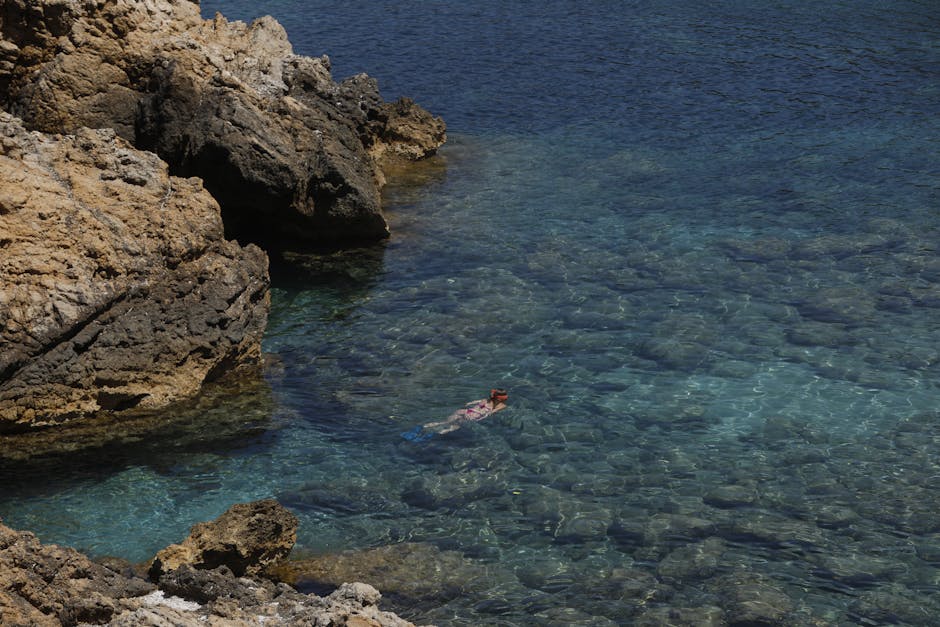
Watching without disturbing is an art that takes discipline and patience. Here are techniques for approaching wildlife, taking responsible photos and contributing to citizen science.
- Gentle approach: move slowly, breathe calmly and position yourself above the life without touching the bottom. Use controlled breathing to minimise bubbles and sudden movements that scare animals.
- Ethical photography: avoid using flash at close range (it startles and can harm fish eyes). Prefer shorter focal lengths so you don’t have to get too close and always keep a safe distance. Don’t use selfie sticks to chase a subject — let it come to you.
- Citizen science participation: sign up for citizen science programs and report observations on platforms like iNaturalist or local projects run by island tourist offices. Data on the presence of certain species (groupers, gorgonians, invasive species) are valuable to marine managers.
- Report incidents: if you spot pollution (bottles, nets, hydrocarbons) report it immediately to local harbour authorities: Porto di Lipari, Ufficio Portuale, Via del Porto, 98055 Lipari ME (office hours 09:00–13:00 and 15:00–18:00). You can also contact the local Guardia Costiera for urgent issues.
Following these rules maximises the quality of your experience and minimises stress for animals. The shyest species — octopuses, moray eels, groupers — are best observed from a still position, patiently waiting. If you’re in a group, ask the guide to keep a low guide-to-participant ratio (ideally 1:6). Large group outings increase the risk of trampling the seabed and causing disturbance.
Conclusion — Leave the Aeolian Islands richer than when you arrived
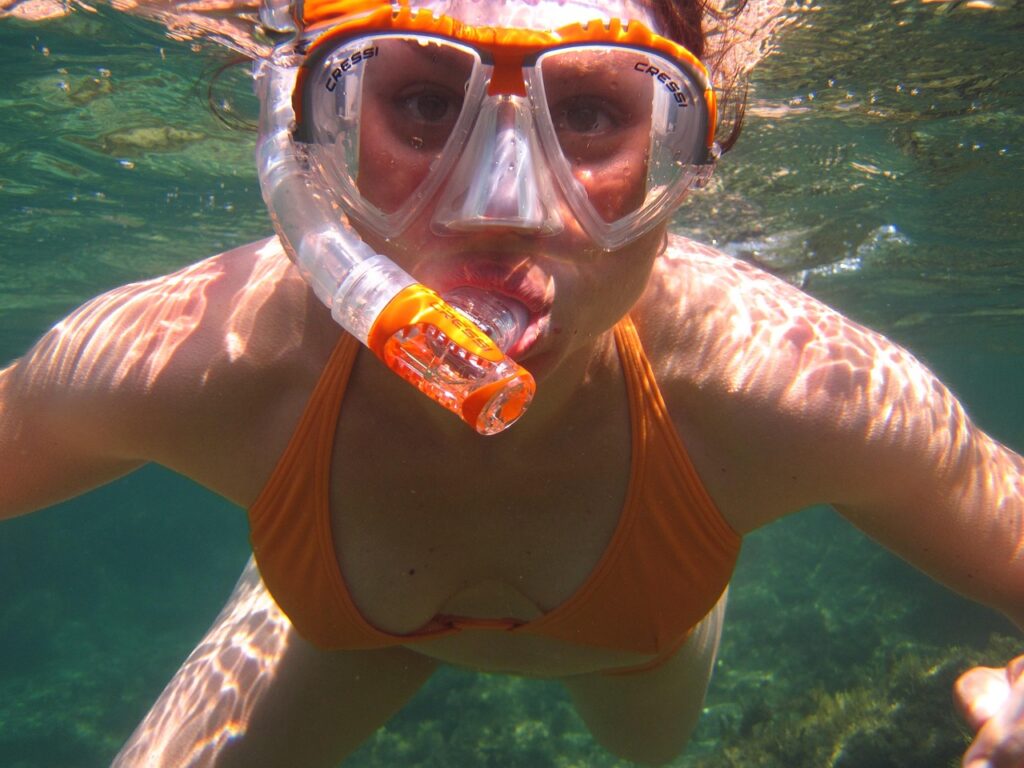
Snorkeling in the Aeolian Islands is a magical interlude: clear water, volcanic terrain and Mediterranean biodiversity create a constantly shifting tableau. But this beauty is fragile. Adopting responsible behaviours — from choosing equipment to underwater approach and selecting respectful operators — ensures these small islands will welcome future generations. A successful outing isn’t just measured by the number of fish you see, but by the knowledge that you left no trace.
Plan your trips carefully: use local operators based in Lipari (Via Porto, 98055 Lipari ME), Panarea (Piazza San Pietro, 98050 Panarea ME), Salina (Via Roma 8, 98050 Santa Marina Salina ME) and Stromboli (Via Roma, 98050 Stromboli ME). Check prices and schedules before arrival — rates vary by season, but to give you an idea: kit rental €15–20 / day, half-day guided trips €35–60 / person, combined trips (snorkel + volcano watching) €60–80 / person. Always ask whether the boat uses moorings, limits participant numbers and provides an environmental briefing.
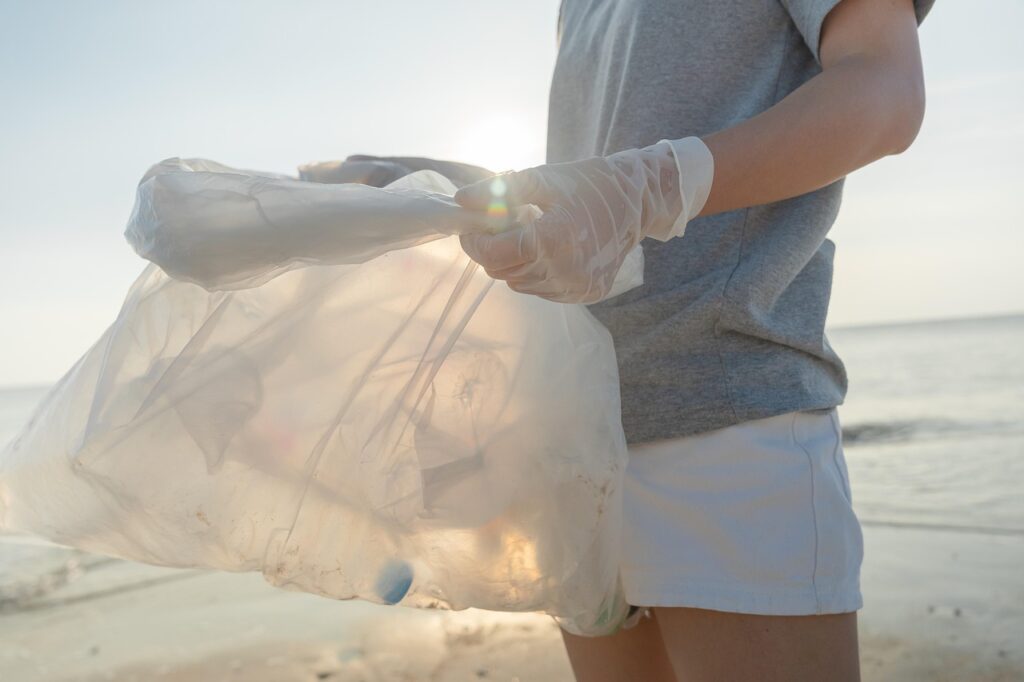
As a visitor, you can go further: take part in clean-up actions organised by local associations, report sightings of rare species to scientific projects, and prioritise local businesses (restaurants, guides, rental shops) that commit to sustainability. Over the long term, it’s the sum of small actions — avoiding single-use plastic, using reef-safe sunscreens, respecting protected zones — that will make the difference.
Finally, remember that the sea returns what you give it. When you leave, take your rubbish with you, respect silence and distance, and share what you’ve learned about responsible snorkeling with fellow travellers. That way every dive becomes not only a moment of discovery but also an act of protection. The Aeolian Islands will reward you by continuing to offer their clear waters, lively seabeds and the unique feeling of being, for a brief while, welcomed into an ancient and precious underwater world.