




Introduction: The Aeolian Islands Marine Observatory — watch migrations live
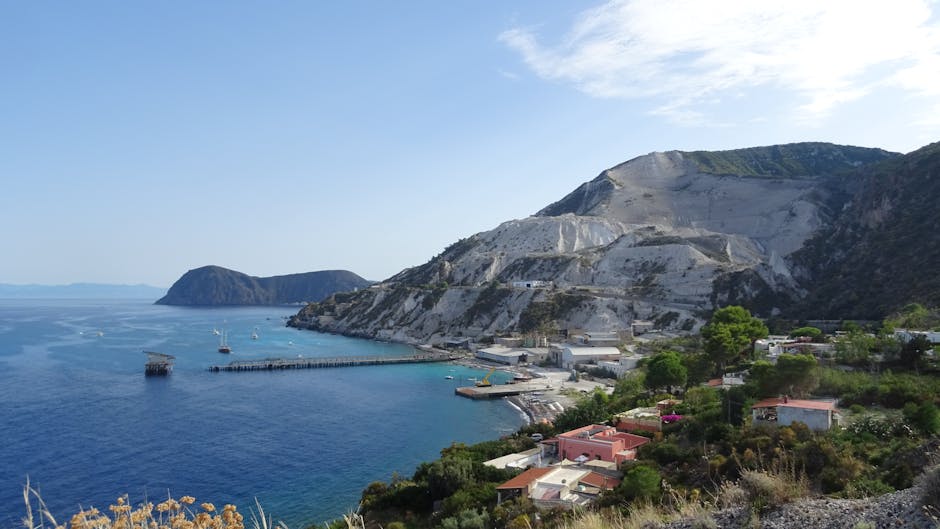
The Aeolian Islands, that volcanic string off Sicily’s north-east coast, are more than just postcard scenery: they’re a major corridor for marine and bird life. The idea behind the Aeolian Islands Marine Observatory (Osservatorio Marino delle Isole Eolie) grew from a need to better understand seasonal migration flows — pelagic fish, sea turtles, marine mammals and seabirds — and to share real-time observations with the public, researchers and local stakeholders. This guide walks you through the monitoring centre, its equipment, services, the best observation routes on each island and all the practical information to plan an informative, responsible visit.
Over the years the archipelago has built a network combining coastal observation stations, acoustic buoys, underwater hydrophones, thermal cameras and live-streaming platforms. The observatory offers not only live audio and video streams but interactive maps showing detected migration tracks, weekly bulletins and educational programmes for schools and visitors. These resources let you follow tunas, barracudas, schools of sardines, Caretta caretta turtles and, depending on the season, dolphins and sometimes even rorquals. The collected data also supports sustainable fisheries management and planning for marine protected areas.
Watching live feels immersive: picture yourself on the Marina Corta pier in Lipari, the observatory screen showing in real time a shoal rising with an upwelling, while a pod of pilot whales slowly passes offshore. Or in Panarea, watching a drone feed of migrating seabirds arriving and learning how thermal winds shape their routes. The observatory works closely with local authorities — the Parco Nazionale Arcipelago delle Isole Eolie — and dive associations to cross-check visual and acoustic observations.
This guide gives a detailed description of the observatory’s facilities and protocols, exact addresses where you can watch live feeds, prices for guided tours and workshops, opening hours, plus concrete tips to maximise your chances of seeing migrations without disturbing wildlife. You’ll also find practical advice for island-hopping, recommended sea trip operators, and local tips — best time slots, what to wear, light gear to bring — so you can enjoy a respectful, memorable marine-watching experience.
1) Detailed overview of the Aeolian Islands Marine Observatory and its methods
The Aeolian Islands Marine Observatory (Osservatorio Marino delle Isole Eolie) is based in the heart of Lipari, with a public headquarters open for consultations and mini-lectures. Address: Osservatorio Marino delle Isole Eolie, Via Roma 12, Marina Corta, 98055 Lipari (ME), Italy. The centre combines tracking technologies: high-definition coastal cameras, a monitoring platform aboard partner vessels, drifting buoys equipped with temperature and salinity sensors, hydrophones to listen to underwater life, and environmental DNA (eDNA) analysis to detect species without capturing them.
Public opening hours: Monday to Saturday, 09:00 – 13:00 and 15:00 – 18:30. Closed Sundays except for pre-booked sessions. Entrance fees and services: permanent exhibitions: free; standard guided visit (1h30): €12.00; children’s educational workshop (2h): €8.00; premium live-stream access (monthly subscription): €7.00/month; scientific and onboard observation package (half-day, up to 8 people): €120.00. Card and cash payments accepted.
Operations rely on combining data: each camera sends feeds to the centre’s central server, which streams selected images live on the website and social media. Acoustic buoys, placed near known migration routes around Stromboli, Filicudi and Alicudi, detect cetacean sound signatures and send SMS alerts to staff and subscribers. Local volunteers and fishers contribute to the reporting network: a dedicated mobile app (available in Italian and English) lets witnesses submit photos and GPS coordinates; the team validates these reports and adds them to the database.
- Main station: Via Roma 12, Marina Corta, Lipari — exhibition space, welcome desk, eDNA lab.
- Embarkation base: Porto di Marina Corta, imbarcadero 1, 98055 Lipari (ME) — boarding point for observation trips.
- Fixed sensors: buoys located 2–5 NM off Stromboli (coordinates available at the centre).
Intervention protocols follow the guidelines of the Parco Nazionale Arcipelago delle Isole Eolie: minimum approach distances (300 metres for most cetaceans), speed limits near sensitive areas, and a ban on immediate diving near females with newborns. Observatory data also helps guide planning of tourist boating activities to reduce impacts during critical migration periods.
2) How to plan a visit: addresses, hours, prices and recommended routes
Planning a visit to the Aeolian Islands Marine Observatory usually combines a stop at the Lipari centre and, if you wish, an organised boat trip to observation sites. Main embarkation address: Porto di Marina Corta, Viale Marina Corta 1, 98055 Lipari (ME). Useful ports and addresses for neighbouring islands: Porto di Stromboli, Piazza Stazione 1, 98050 Stromboli (ME); Porto di Panarea, Via Marina 8, 98050 Panarea (ME); Porto di Salina (Santa Marina), Corso Vittorio Emanuele 12, 98050 Santa Marina Salina (ME).
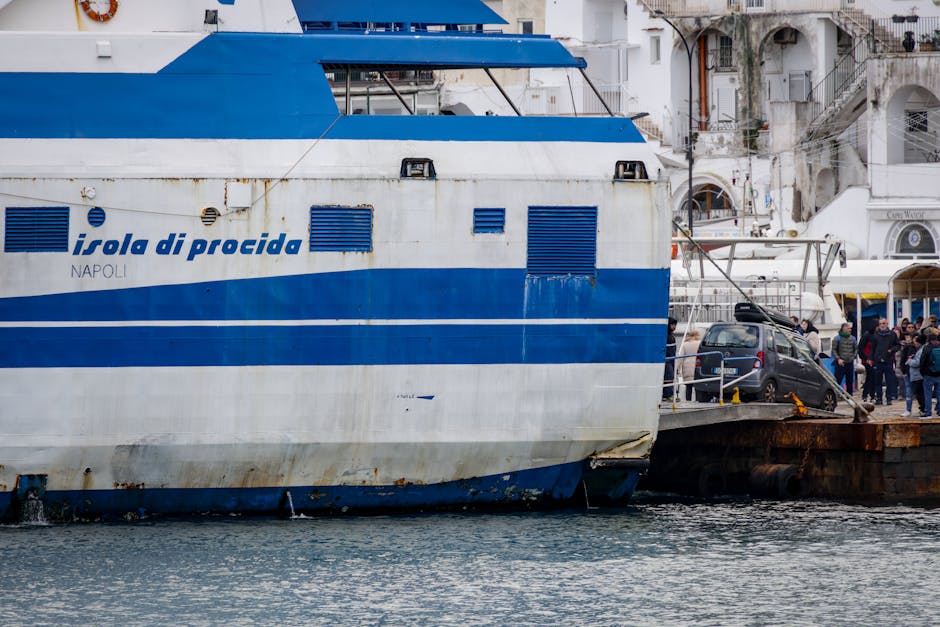
Typical inter-island connections (check seasonally): hydrofoils and ferries link Lipari with Milazzo and Messina. Example: Liberty Lines hydrofoil Milazzo–Lipari: daily departures from Milazzo, first crossing 07:30, last 17:00 (in high season frequency increases). Indicative fares: Milazzo → Lipari: €18.00 one-way low season, €22.00 high season; Lipari → Stromboli: €12.00; Lipari → Panarea: €10.00. Local companies (Liberty Lines, Siremar) publish updated timetables and fares — book online in high season.
For observatory-organised trips: boarding at Porto di Marina Corta. Standard rates: half-day observation trip (3–4 hours): €60.00/person (minimum 6 people), full-day trip: €110.00/person (lunch included depending on the package). These trips include an observatory naturalist guide, safety gear, binoculars and access to commented live streams. Recommended departure times to maximise sightings are early morning (06:00–09:30) and late afternoon (16:00–19:30), when the water column is most active and light highlights fish shoals and seabird movements.
Bookings and contact: Email: [email protected] (for public and school reservations); Phone: +39 090 123456 (direct line, services in Italian and English). Guided centre visits often require advance booking in high season; arrive 15 minutes before your scheduled time. Practical tip: bring a windproof jacket, hat, sunscreen and binoculars if you have them; seasickness can affect some people, so consider preventive medication if you’re prone to it.
3) Best observation sites by island and recommended routes
Each Aeolian island offers unique vantage points. The best spot depends on the species you’re after, the season and weather. Here’s a summary by island with exact addresses and local tips to boost your chances.
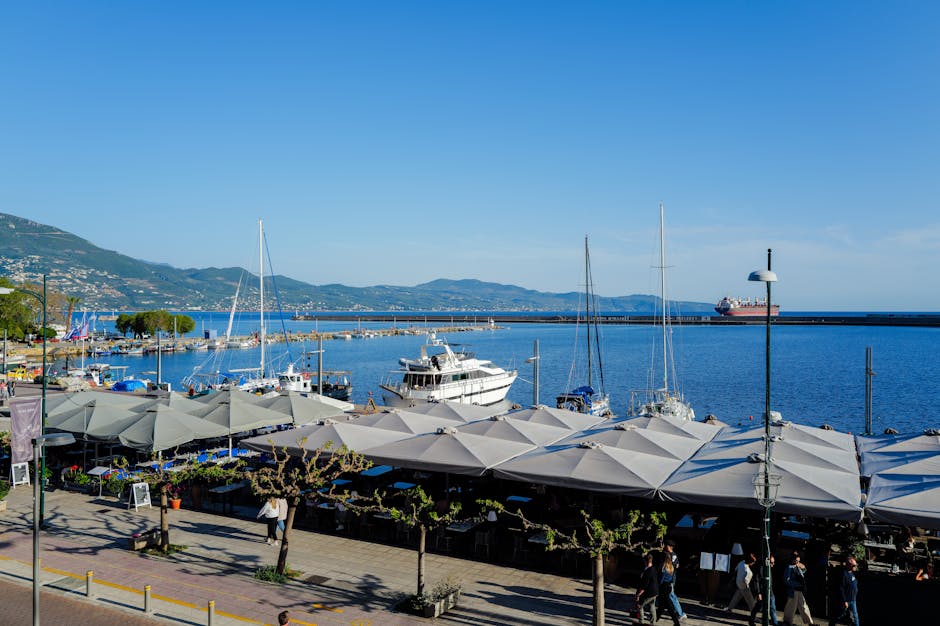
- Lipari – Marina Corta, Via Roma 12, 98055 Lipari (ME): The pier and waterfront promenade at Marina Corta let you watch surface activity and check the centre’s screens. In summer, early morning, local fishers return with clues about current productive zones. Recommended route: start from the port, walk up to the Casa Museo (Via del Corso 25) for panoramic views, then return for the interpretation session at the centre.
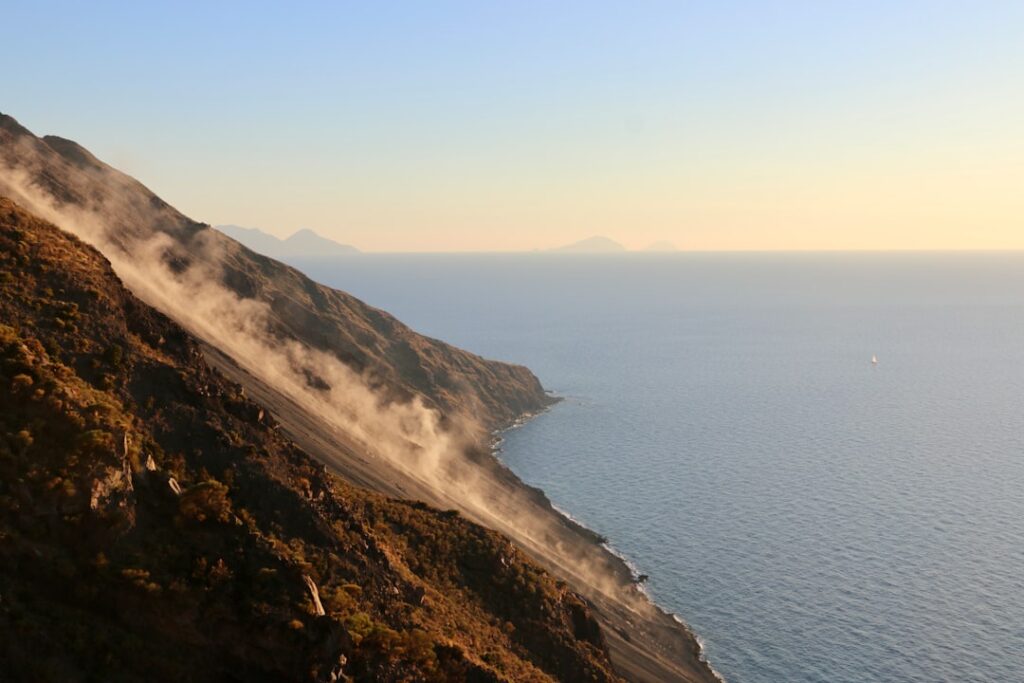
- Stromboli – Porto di Stromboli, Piazza Stazione 1, 98050 Stromboli (ME): Ideal for spotting striped dolphins and distant small rorquals. Acoustic buoys offshore report real-time sound detections; zodiac outings at dusk (run by authorised local operators) are supervised. Tip: avoid unauthorised approaches near the Sciara del Fuoco for safety.
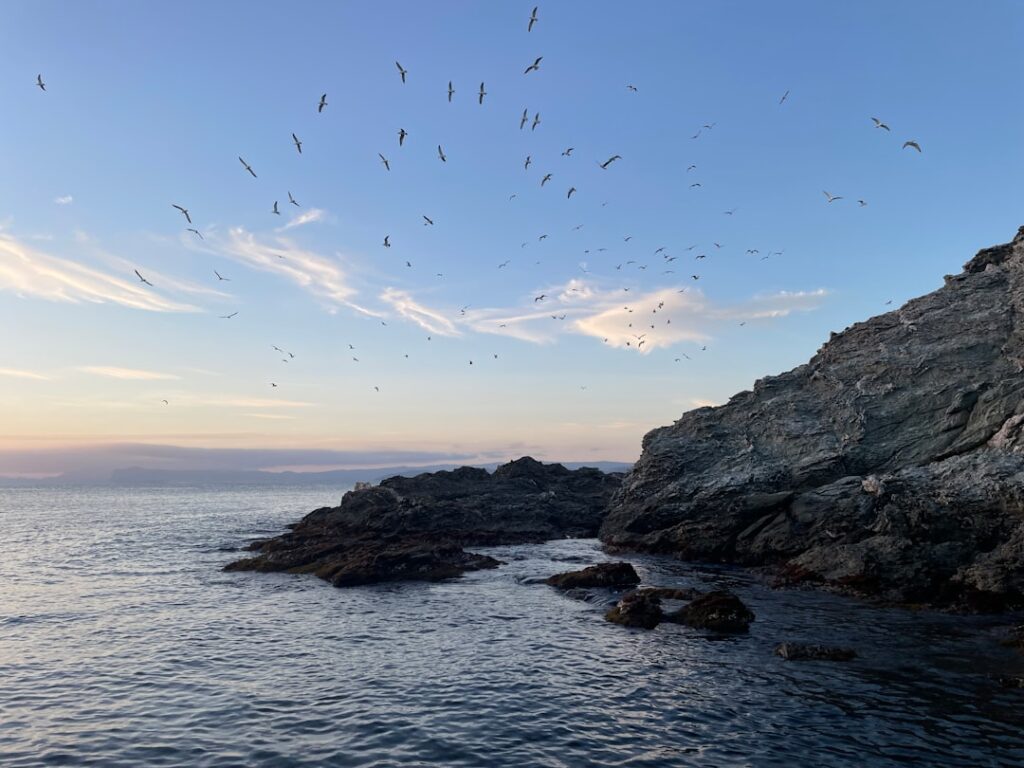
- Panarea – Porto di Panarea, Via Marina 8, 98050 Panarea (ME): Panarea is a prime spot for migrating seabirds that follow the coastline. Cliffs and high vantage points near Cala Junco offer great panoramas. Walk from the port to Punta Milazzese to combine marine watching with archaeology.
- Salina – Santa Marina Salina, Corso Vittorio Emanuele 12, 98050 Santa Marina Salina (ME): Nutrient-rich waters around Salina attract large fish shoals and, consequently, marine predators and seabirds. Dawn departures from the port give excellent chances of sightings.
- Filicudi & Alicudi – Porto di Filicudi, Via Marina 2, 98050 Filicudi (ME); Porto di Alicudi, Via Porto 1, 98050 Alicudi (ME): These wild islands are often corridors for pelagic species. Longer trips from Lipari or Salina, well planned with the observatory, increase the likelihood of seeing turtles and large fish shoals.
For each island, the observatory issues weekly bulletins (free for on-site subscribers) describing hotspots detected by sensors and cameras. Best periods: spring (March–May) and autumn (September–November) for bird migrations and many pelagics; summer for dolphin gatherings and some turtles. Always check the weather: strong winds (sirocco, libeccio) can make trips unsafe.

4) Local tips, observation ethics and recommended gear
Observing also means respecting. Local communities are keen to preserve the ecological balance that draws visitors and scientists. Here are practical tips for responsible watching and recommended gear.
- Distance and behaviour: Keep at least 300 metres from cetaceans and 50–100 metres from turtles according to local guidelines. Don’t try to approach animals with spotlights or dive near a female with offspring.
- Speed and routes: Respect speed limits near zones signposted by the observatory. vessels contracted by the Observatory follow specific routes to minimize disturbance.
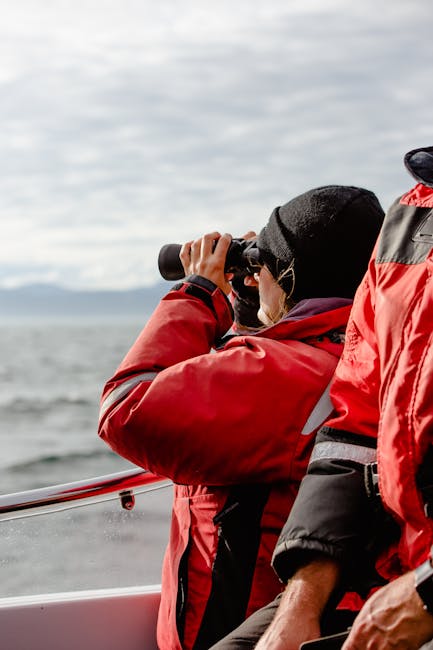
- Useful gear: 8x–10x binoculars, camera with 200–400mm zoom if possible, layered windproof clothing, SPF 50 sunscreen, hat, reusable water bottle. Life jackets are provided on trips; seasickness-prone visitors should take anti-nausea medication 30–60 minutes before departure.
- Local practices: Be punctual for boat departures (ferries won’t wait). Carry some cash for small purchases; some small-island operators do not accept cards.
- Join citizen science: Download the observatory’s reporting app (name: EolieMarineWatch) to submit photos and sightings. Validated observations are credited and may be included in public reports.
Local tip: ask observatory staff for the day’s « observation window » — a roughly 90-minute slot, often between 06:00–08:30 or 17:00–19:00, when the statistical probability of seeing migrations is higher. Local guides, often former fishers, hold valuable empirical knowledge about micro-zones rich in marine life: following their advice greatly increases your chances of witnessing memorable scenes.
5) Educational programmes, workshops and conservation impact
The observatory does more than monitor: it runs educational activities and conservation programmes involving schools, researchers and tourists. Workshop address: Osservatorio Marino delle Isole Eolie, Via Roma 12, Lipari. Workshops are by reservation and tailored by age group.
Educational offers: « Introduction to Marine Migrations » workshop (90 minutes): €6.00/child; eDNA lab workshop (2 hours): €25.00/participant; scientific immersion programme (3 days, accommodation not included): €250.00/person. Activities are run in Italian and English by experienced field staff. Schools receive discounted rates and a free downloadable teaching pack.
On conservation, the observatory partners with the Parco Nazionale Arcipelago delle Isole Eolie and the University of Messina to produce annual reports on population status and recommend measures: seasonal navigation restrictions, protected marine corridors and strategies to reduce bycatch. Visitors can join « citizen science days » to help collect data (bird counts, water sampling for analysis).
Active participation: photographers, amateur naturalists and researchers can contribute images and observations — after validation they may be integrated into the observatory’s databases. Citizen contributions are often rewarded with one month’s free access to some premium streams.

Conclusion: why visit the Aeolian Islands Marine Observatory and how to make the most of it
Visiting the Aeolian Islands Marine Observatory connects you to a living network where science and the local community come together to understand and protect a unique environment. Beyond the thrill of seeing a live shoal or a dolphin silhouette offshore, the educational and participatory experience shows the importance of migratory corridors and the impact of human activities. The observatory offers a complete programme: exhibitions at the Lipari headquarters (Via Roma 12, Marina Corta), boat trips from Porto di Marina Corta, educational workshops and access to live streams. Prices are designed to be accessible, with economical options for families and schools. Remember to check opening hours (Monday–Saturday 09:00–13:00 / 15:00–18:30) and book early in high season.
To get the most from your visit, plan at least one morning at sea and a session at the centre to decode the live feeds. Bring binoculars, a windproof jacket and follow observatory guidance. Take advantage of local guides’ knowledge — many are former seafarers whose field experience complements the tech data. Above all, join citizen science initiatives: a photo, a report or an hour spent counting birds can feed into concrete conservation decisions.
In short, the Aeolian Islands Marine Observatory is the perfect gateway for anyone wanting to watch marine migrations in a protected setting and learn how individual actions help preserve the ecosystem. Whether you’re a curious traveller, wildlife photographer, teacher or amateur researcher, the observatory’s resources and hospitality offer a rich, responsible and sustainable experience. Book, prepare and let yourself be guided by the beauty and complexity of life passing through these ancient volcanic waters.