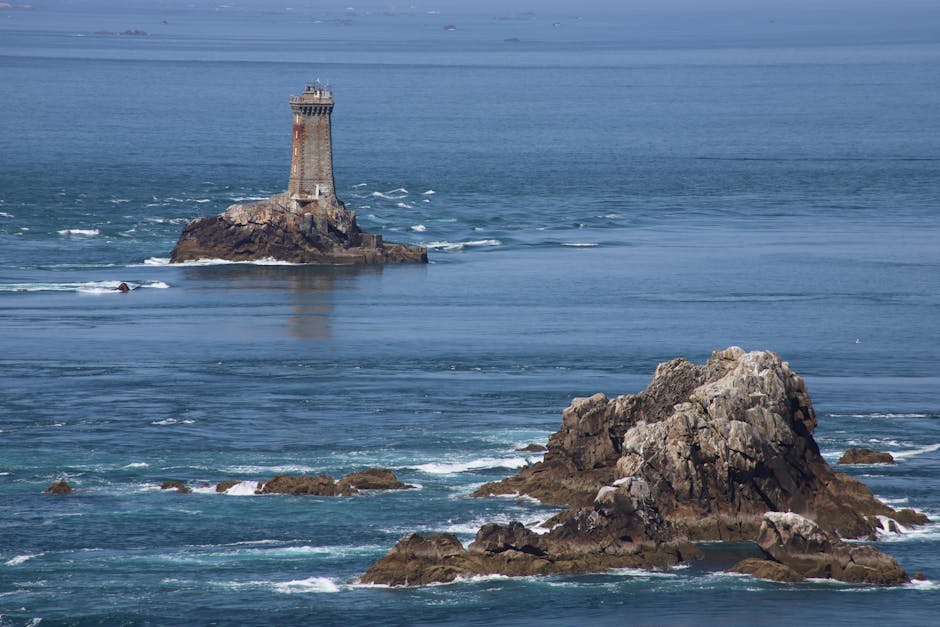





Introduction: Sea Sentinels in the Aeolian Islands
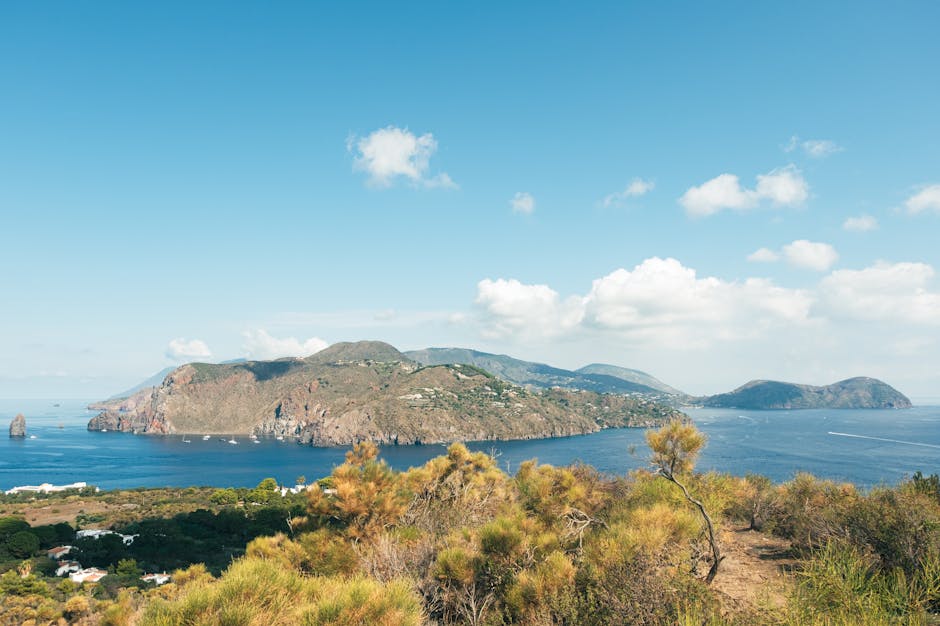
The Aeolian Islands — Lipari, Salina, Vulcano, Stromboli, Panarea, Filicudi and Alicudi — are a volcanic archipelago off northern Sicily where sea, wind and fire have been in dialogue for millennia. These UNESCO-listed islands are more than tourist destinations; they act as living observatories. “Sea sentinels” refers to networks of citizen observers — naturalists, divers, fishers and locals — who continuously monitor marine ecosystem health, animal behavior and visible signs of coastal volcanic activity. This guide looks at what they do, how they do it, and how any traveler can take part responsibly in protecting this unique environment.
Citizen observatories in the Aeolians operate on several levels: data collection (photographs, fauna and flora surveys, temperature and turbidity readings), incident reporting (oil slicks, strandings, algal blooms), education and outreach. They often collaborate with scientific bodies like the Istituto Nazionale di Geofisica e Vulcanologia (INGV) and environmental NGOs. In Lipari, Salina and Stromboli you’ll find meeting points, visitor centers and museums that offer basic training on spotting protected species, telling natural foam from human-caused contamination, or reporting unusual changes in water temperature near fumaroles.
That citizen role is especially important on small islands where tourism pressure and climate variability can quickly push ecosystems past tipping points. Sentinels document fish migrations, the arrival of non-native species, the condition of seagrass meadows (Posidonia oceanica) — a key habitat for biodiversity and carbon storage — and the presence of plastic waste. Their work feeds local decisions like establishing marine protected areas or setting mooring rules. This detailed guide gives addresses, opening hours, prices and practical tips for visiting, observing and, if you wish, volunteering with citizen observatories in the Aeolian Islands.
1. Lipari: Historic Heart and Citizen Hub
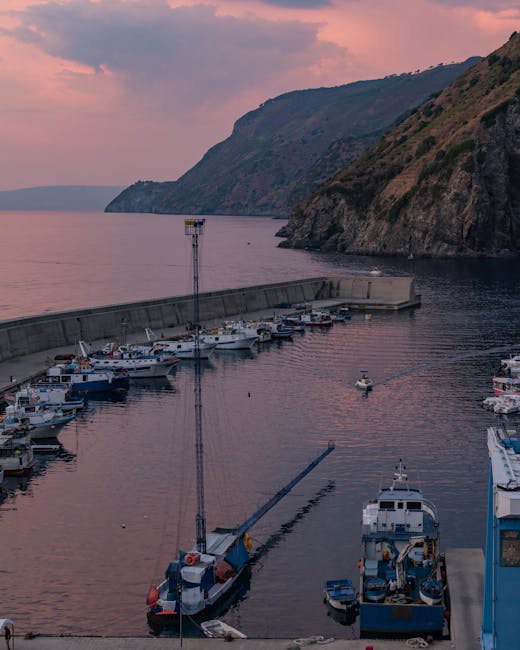
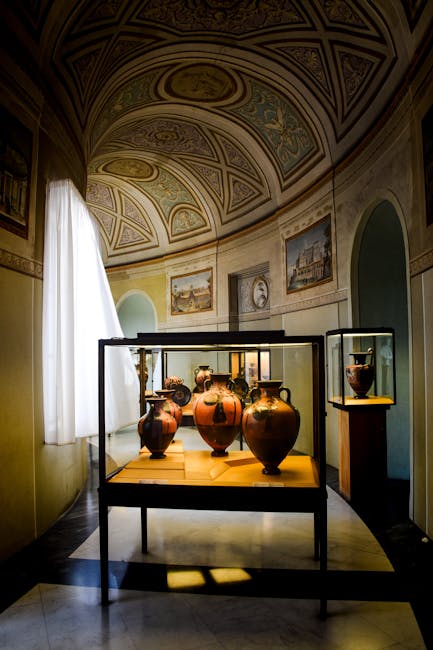
Lipari is frequently the main entry point to the Aeolians. The Museo Archeologico Regionale Eoliano (Aeolian Islands Archaeological Museum) is at Via del Mare, 98055 Lipari ME, Italy. Opening hours: daily except Tuesday, 09:00–17:00 (high season 09:00–19:00 from June to September). Admission: €6.00 full price, €3.00 reduced (students/65+). The museum provides a solid introduction to the archipelago’s archaeological and environmental context and often hosts talks for citizen observer groups.
Useful local meeting point: Centro Territoriale per l’Ambiente – Lipari, Piazza Marina Garibaldi, 1, 98055 Lipari ME, Italy. This center runs free or low-cost trainings: algae identification workshops, citizen diving sessions and seagrass monitoring outings. Workshop prices typically range from €0–15 depending on duration and equipment. Office hours: 09:00–13:00 and 15:00–18:00, Monday to Friday.
Practical tips for observers: aim for early-morning outings (07:00–10:00) or sunset (18:00–20:00) to avoid peak tourist traffic. When boating, anchor only in areas authorized by the Lipari municipality — fines for non-compliance can range from €100–500 depending on the offense. If you spot pollution (oil patches, animal deaths), contact the Capitaneria di Porto di Lipari at +39 090 981 3220 and report via the local app or community center.
2. Stromboli and Vulcano: Where Volcano Meets Sea — Citizen Monitoring Matters
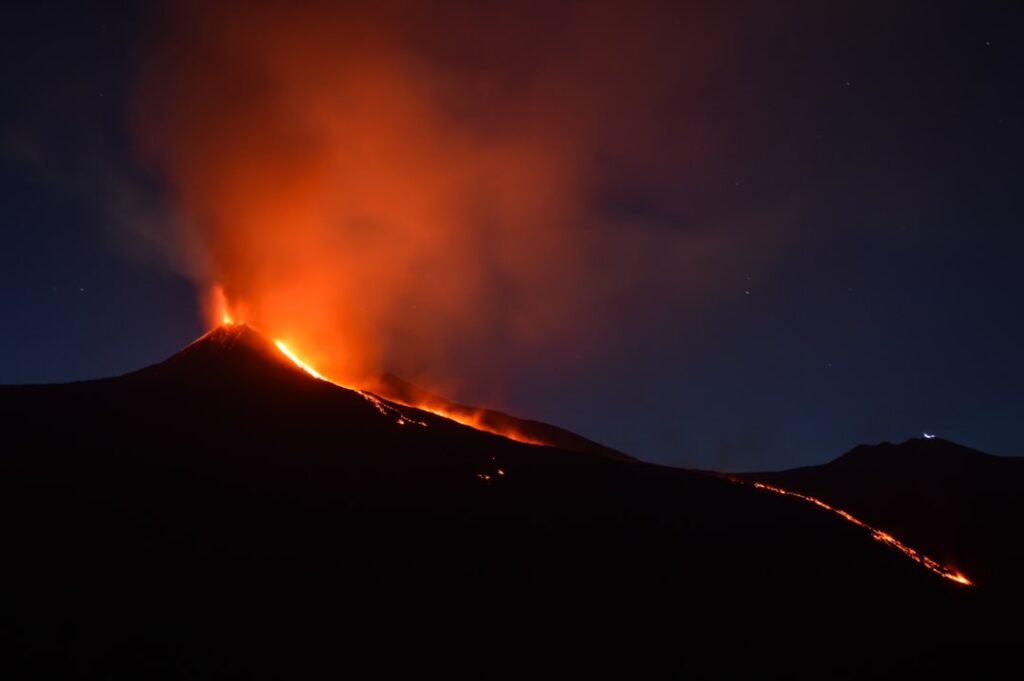
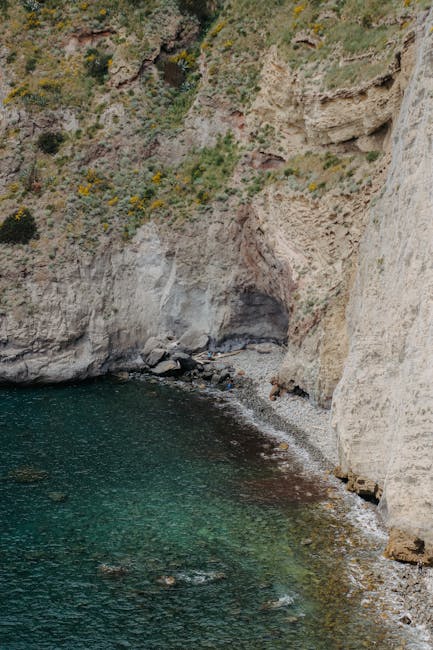
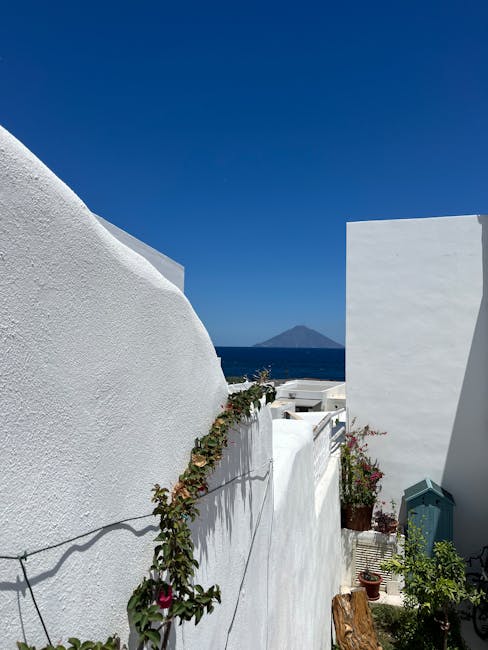
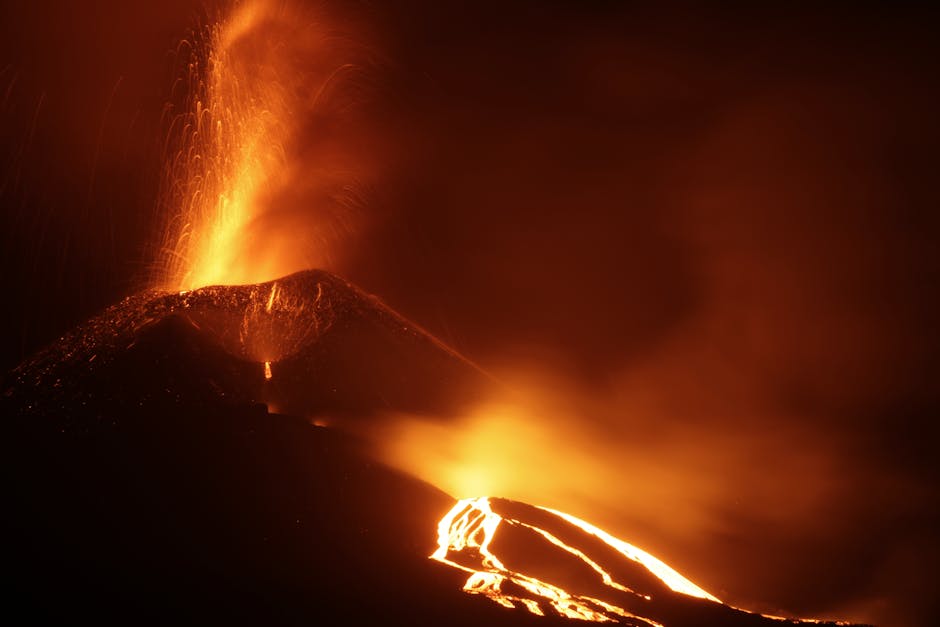
Stromboli and Vulcano are prime observation spots because volcanic and marine interactions are so visible and dynamic there. In Stromboli the main village is San Vincenzo, and a useful contact for citizen programs is the municipal office near Piazza San Vincenzo, 98050 Stromboli ME, Italy (hours: 08:00–13:00). The island is monitored in coordination with INGV; nonetheless locals and licensed guides (guide autorizzati) provide crucial on-the-ground information about visible coastal warning signs: bubbles, localized temperature shifts, and marine die-offs.
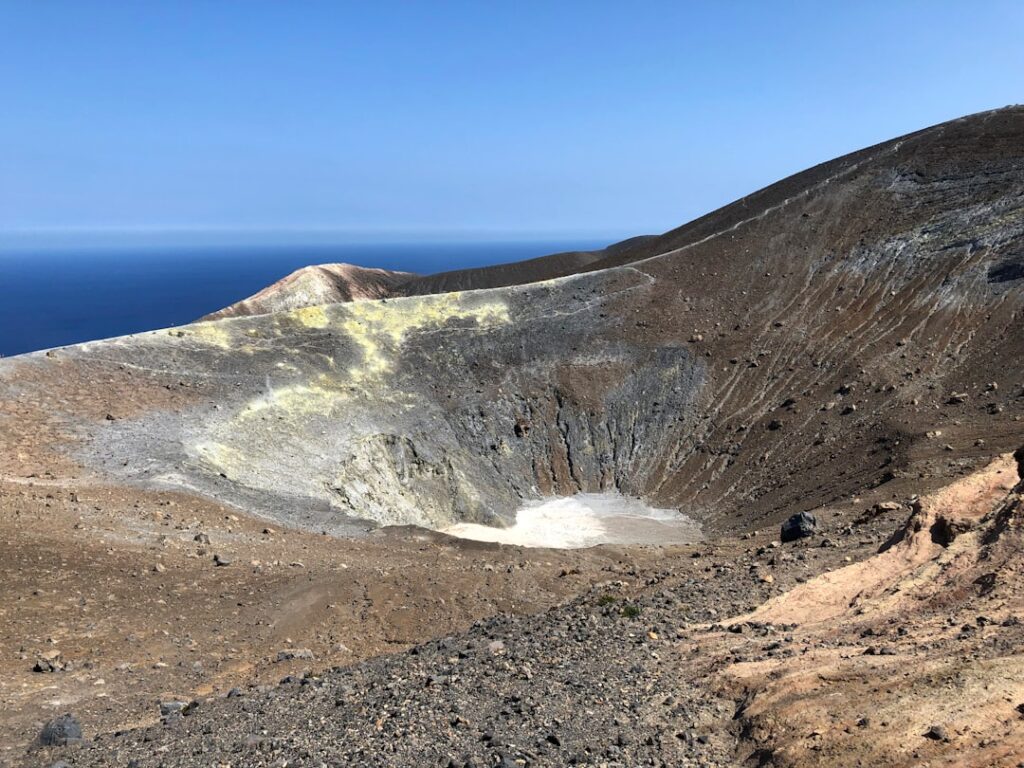
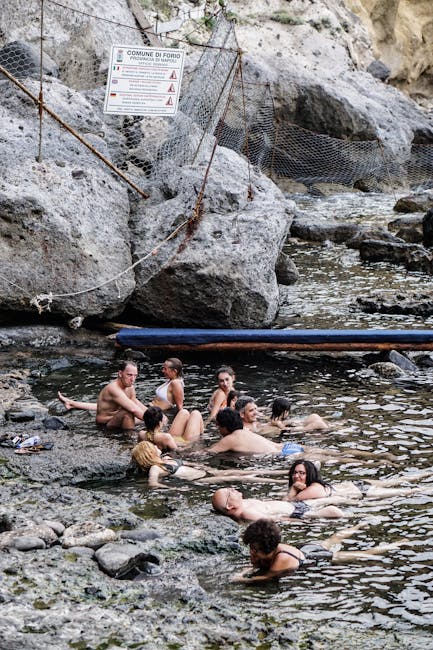
Vulcano, known for its fumaroles and mud baths, hosts the Parco Archeologico e Geologico di Vulcano around Punta del Faro, 98050 Isola di Vulcano ME, Italy. The trail up to the Croce del Vulcano is open daily: free access, a climb of about 45–60 minutes from Porto di Levante. Informational panels explain hydrothermal phenomena and hazards. Swimming in hot zones should be avoided except in clearly marked areas; water quality checks may be announced by the Comune di Lipari – Ufficio Ambiente (Via Roma, 98055 Lipari ME).
Prices and tips: guided summit trips on Stromboli are regulated and generally cost between €30.00 and €60.00 per person for an evening hike (bring a headlamp). Citizen observers are trained to spot abnormal signs (local earthquakes, changing gas plumes, brownish seawater) and to alert authorities. Basic recommended gear includes closed hiking shoes, a windproof jacket, a water bottle, a safety kit and a camera or smartphone for documentation. Locals advise respecting guide schedules and closed paths during heightened activity: do not approach active vents and report any unusual emissions to the local emergency number 112.
3. Salina, Panarea and Filicudi: Marine Biodiversity and Citizen Marine Observatories
Salina, greener and more fertile than its sisters, is a key site for monitoring Posidonia meadows. A contact point is the Centro di Educazione Ambientale – Malfa, Via Roma, 98050 Malfa ME, Italy (hours: 09:00–13:00, 16:00–19:00). Salina runs guided citizen dives for seagrass inventories; snorkeling trips cost about €20.00–35.00 per person to cover gear and guidance. These surveys help track the health of underwater meadows, which are essential for fish populations and coastal resilience.
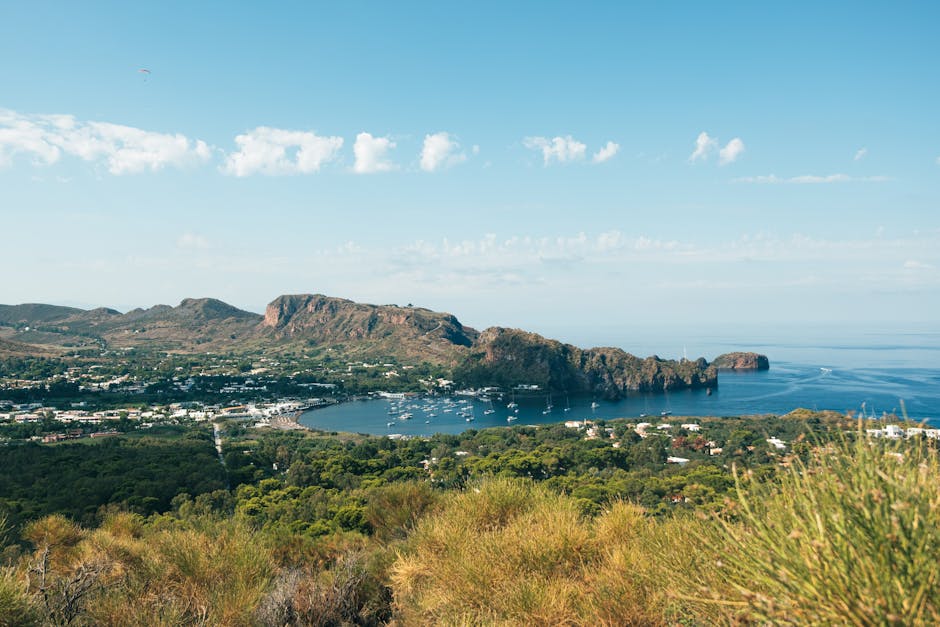
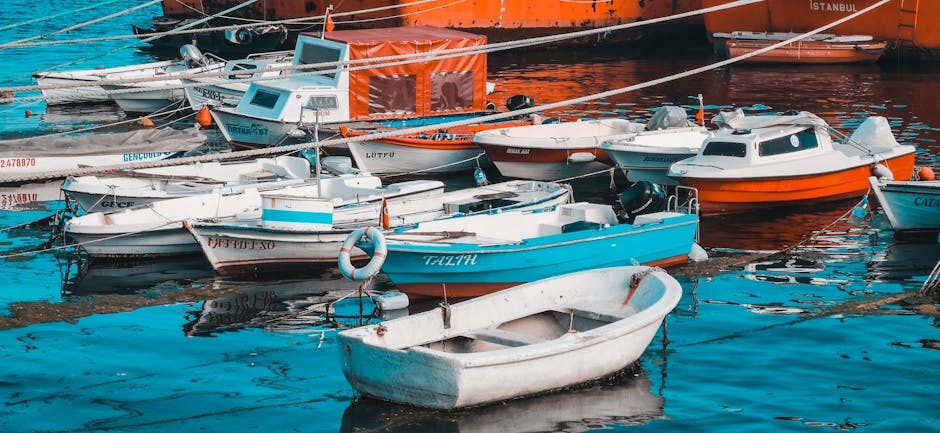
Panarea, small and fashionable for its scenery and discreet nightlife, has sensitive coves where uncontrolled anchoring has already damaged seabeds. The Comitato per la Tutela di Panarea runs volunteer patrols and information campaigns from the harbor at Via Municipio, 98050 Panarea ME, Italy. Patrols hand out maps and leaflets (free) showing authorized mooring zones and rules to follow — slow speeds, no anchoring near meadows, and keep rubbish on board.
Filicudi and Alicudi, more remote, focus on seabird monitoring (including puffins and the notable Calonectris subpopulation) and occasional records of the Mediterranean monk seal. The Centro Studi Cetacei – Filicudi (relay address: Via Marconi, 98050 Filicudi Porto, Italy) runs cetacean- and islet-watching trips priced €25.00–50.00 depending on duration. Volunteers learn to log acoustic signatures, behaviors and GPS coordinates of sightings — data that feeds national and European databases.
4. How to Take Part: Commitments, Training and Best Practices
If you want to become a sea sentinel during your stay, there are several ways to get involved: join a one-off inventory trip, sign up for a workshop, or volunteer regularly with local groups. Before you travel, check center schedules: for example, the Centro Territoriale per l’Ambiente – Lipari often lists introductory Posidonia survey sessions (free or €10.00), while guided citizen diving outings usually cost €30.00–70.00 depending on gear and supervision.
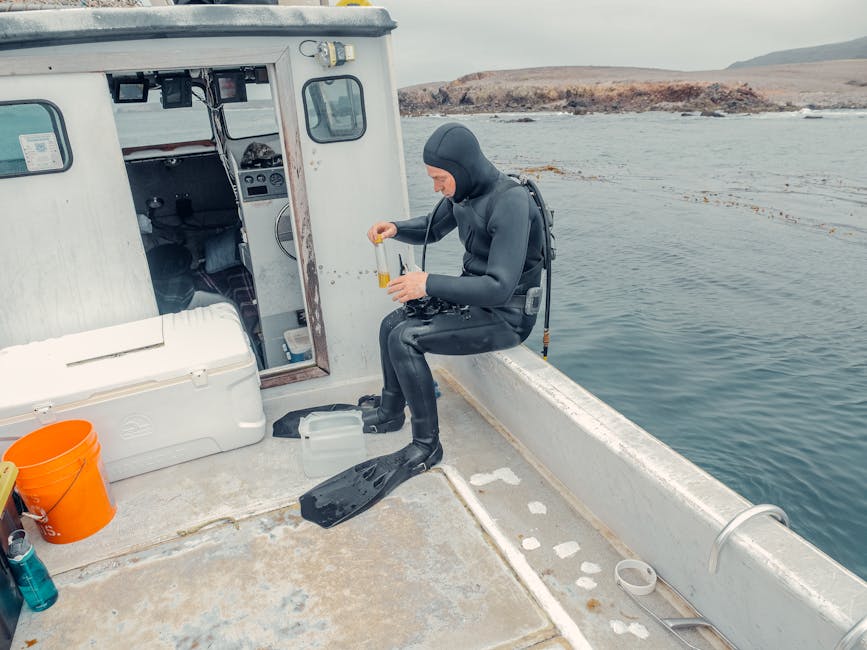
Typical trainings: algae identification, Posidonia survey protocols, first aid at sea, using mobile apps for data entry (iNaturalist, MedMIS), and pollution alert procedures. Trainings usually last 2–6 hours (fees vary: €0–50.00). Observers must follow local rules: do not collect samples without permission, avoid touching sensitive wildlife and respect protected-area schedules.
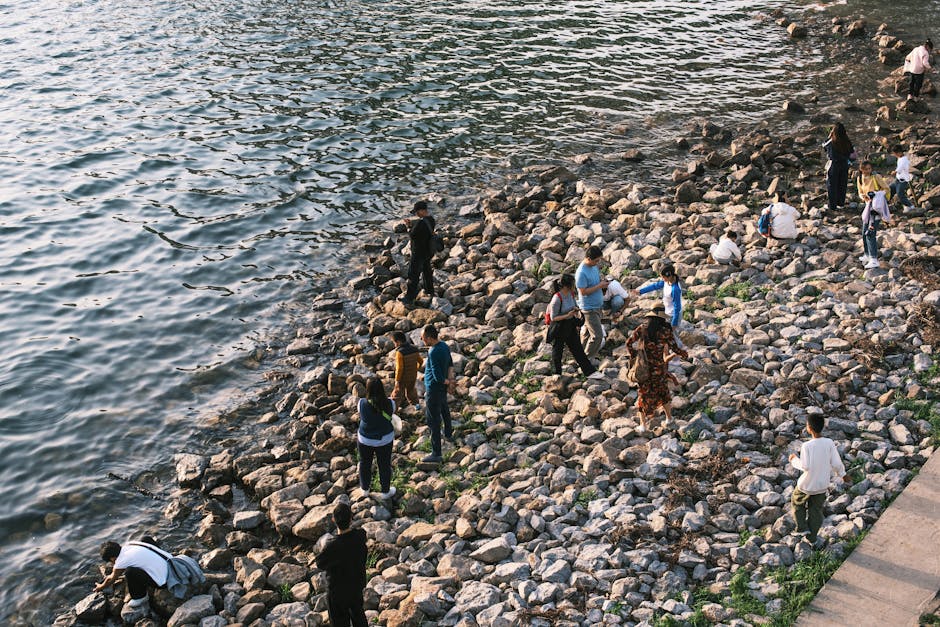
Practical advice: bring a power bank, dry bags, a surface sampling cup and a waterproof notebook. Learn local names of coves and harbors (e.g. Porto Pignataro in Salina, Porto di Levante in Vulcano) to make communication easier. Always inform the local Capitaneria di Porto before carrying out marine surveys (this may be a safety requirement) and submit your observations to the repositories named by the associations — these data are vital for protection requests and marine protected area management plans.

Conclusion: Protecting the Archipelago Through Shared Observation
The Aeolian Islands remain a living laboratory where the link between human activity, natural phenomena and marine ecosystems is clearly visible. Citizen observatories perform an essential sentinel role: they expand local detection capacity, document small-scale phenomena, feed scientific databases and support more resilient, participatory governance. Through training, field outings and straightforward protocols, any visitor can help preserve this natural heritage.
In practice, joining these initiatives means respecting the sites — avoid anchoring on seagrass, cut down on single-use plastics, report incidents and share reliable observations with local structures (Environmental Centers, Capitanerie, INGV). The combined efforts of residents, authorities and engaged tourists strengthen the archipelago’s ability to withstand climatic and human pressures. To prepare for your trip: check museum times and prices (e.g. Museo Archeologico Regionale Eoliano: €6.00), contact training centers and local offices (e.g. Centro Territoriale per l’Ambiente – Piazza Marina Garibaldi, 1), and budget for excursions (€20.00–60.00 depending on activity).
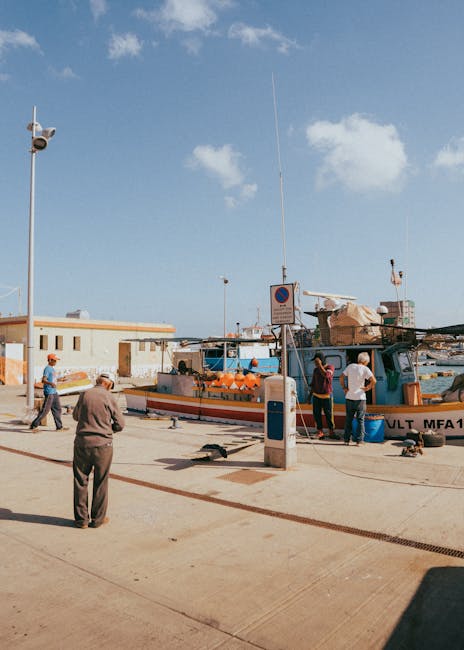
Finally, remember that citizen observation is also a human experience: it creates chances to connect with fishers, divers and local guides who carry invaluable practical knowledge. Those encounters not only deepen your understanding, they also strengthen the protection network for these fragile islands. Becoming a sea sentinel in the Aeolians means accepting a shared responsibility — contributing today so future generations can still enjoy clear waters, hear the volcano breathe and observe the flourishing marine life that makes this archipelago so special.