





Introduction — Why and how to watch cetaceans from the shore of the Aeolian Islands
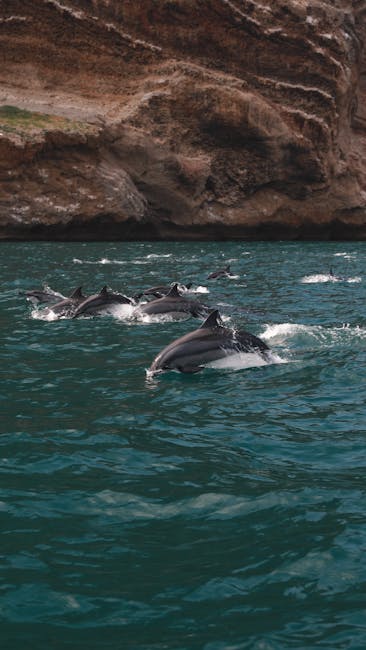
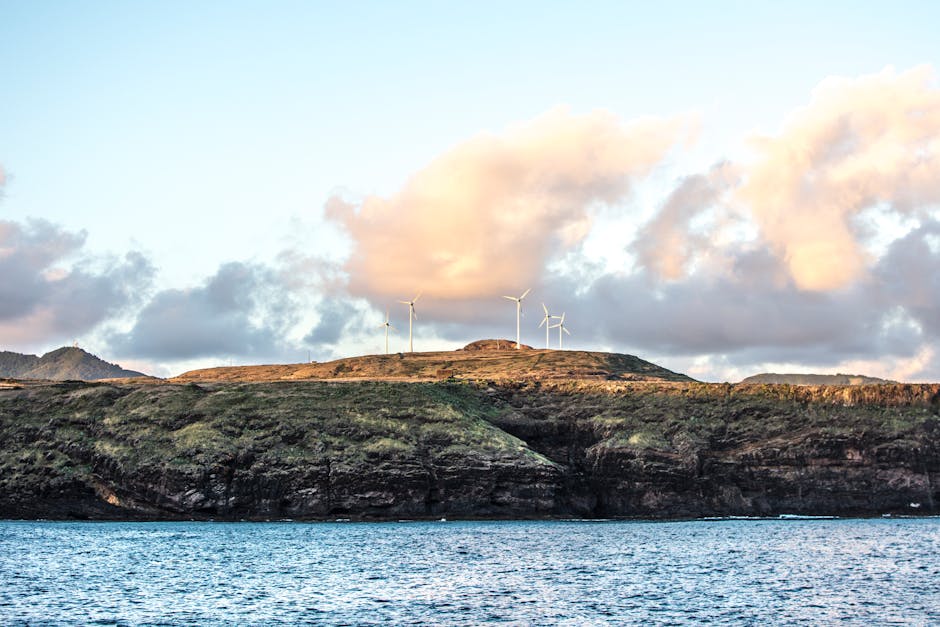
The Aeolian Islands (Isole Eolie) — Lipari, Salina, Vulcano, Stromboli, Panarea, Filicudi and Alicudi — sit in the Tyrrhenian Sea off northeast Sicily. This volcanic archipelago creates a rich marine environment where currents, fish schools and underwater drop-offs attract cetaceans: dolphins, pilot whales, rorquals and occasionally beaked whales. Many visitors assume you must go out on a boat to see marine mammals, but with the right method, basic gear and the best vantage points, shore-based sightings are entirely possible.
This practical guide gives you concrete steps, checklists, exact locations (harbors, overlooks, helpful cafés), rough costs and the best times to maximize your chances from land. It’s geared to get you ready fast: plan your outing, pick the right spot, know when to be there and what to look for. You’ll also find health and wildlife-respect advice plus alternatives in case of bad weather.
Before you head out, remember that responsible watching is essential: don’t feed or harass animals, keep your distance if you’re on a boat, and report unusual encounters to local authorities (Capitaneria di Porto). Cetaceans follow migratory routes and often gather along current fronts and underwater slopes; you can sometimes spot these zones from shore by surface activity (blows, swirls, diving birds). Follow the steps below to improve your odds and enjoy an immersive, respectful marine experience.
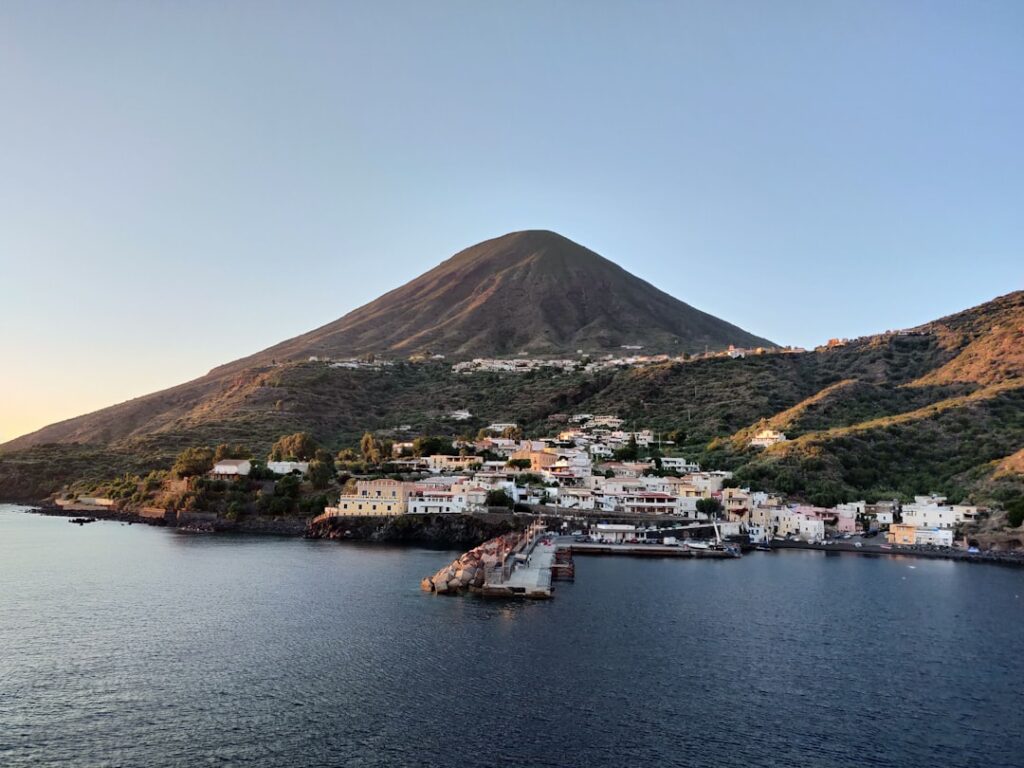
1) Pre-scouting: charts, currents and hot spots around each island
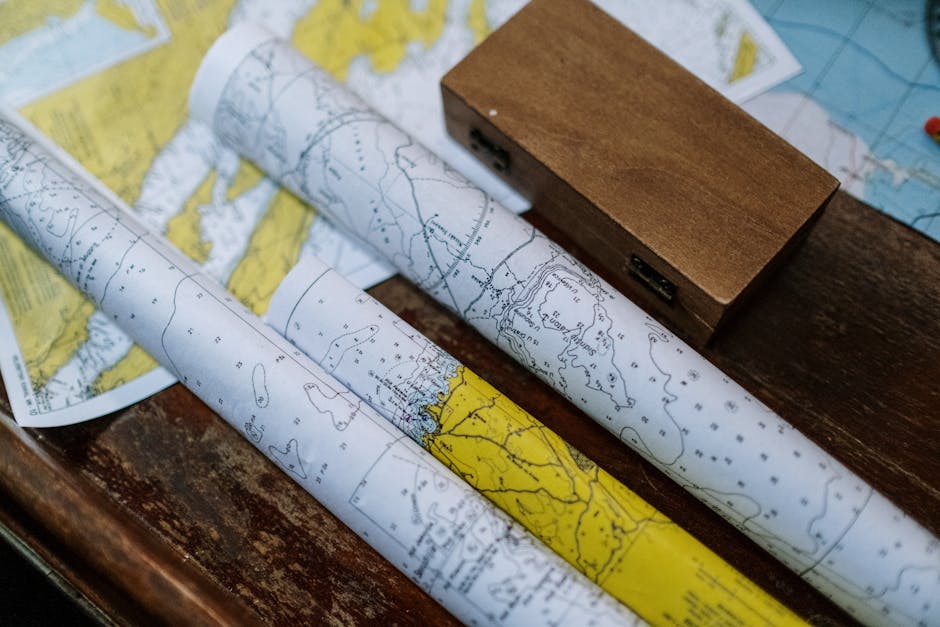
Before going into the field, do some map and weather scouting. Download Italian nautical charts from the national hydrographic service or use Navionics (mobile app). Areas where the seabed drops off quickly (steep slopes) and mouths of underwater canyons are cetacean hot spots. Here’s a practical list of coastal vantage points to know and what each offers:
- Lipari — Marina Corta (Via Marina Corta, 98055 Lipari ME): the main harbor, a vantage over marine channels. Ideal for spotting bottlenose dolphins (Tursiops truncatus) at first light. Best times: 06:30–09:30 and 17:30–19:30.
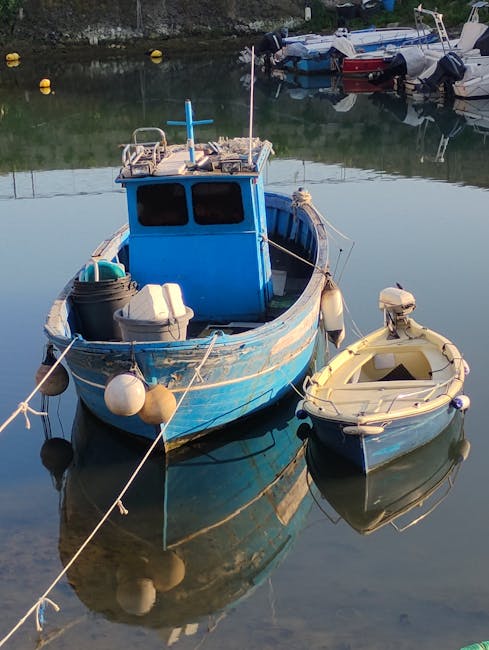
- Salina — Santa Marina Salina (Piazza Marina Garibaldi, 98050 Santa Marina Salina ME): southeast coast with good views of wakes and fish schools. Best time: 07:00–10:00. Handy café: Caffè Teatro, Via Roma 12, open 07:00–22:00, espresso €1.20.
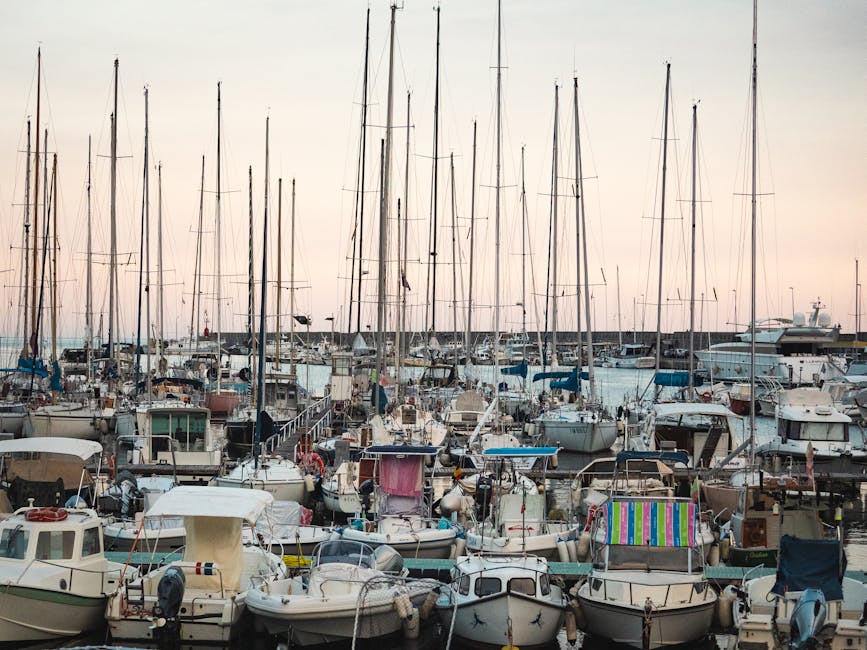
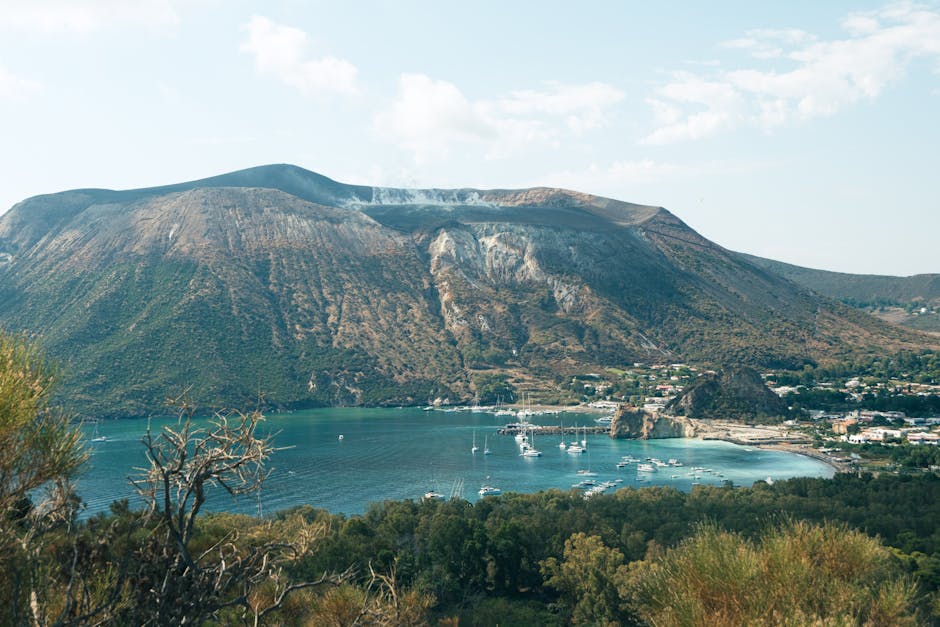
- Vulcano — Porto Levante (Via Marina, 98050 Vulcano Porto ME): close to underwater scree and frequented by pilot whales. Best time: 08:00–11:00. Ferry transfer: Siremar/Liberty Lines, Lipari–Vulcano fares about €5–€7 one-way.
- Stromboli — Porto di Stromboli (98050 Stromboli ME): at dawn the waters around the island attract dolphins and sometimes rorquals. Best time: 05:30–09:00. Note: be mindful of night hikes to the crater (permits often required).
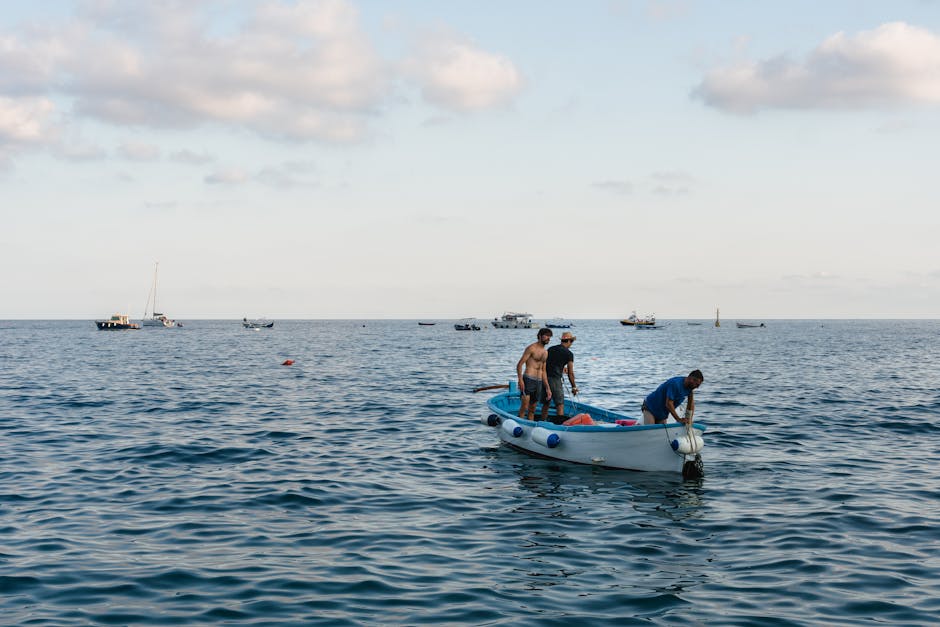
- Panarea — San Pietro port (Porto di San Pietro, 98050 Panarea ME): clear water and small coves for close-in observation. Best time: 07:00–10:00.
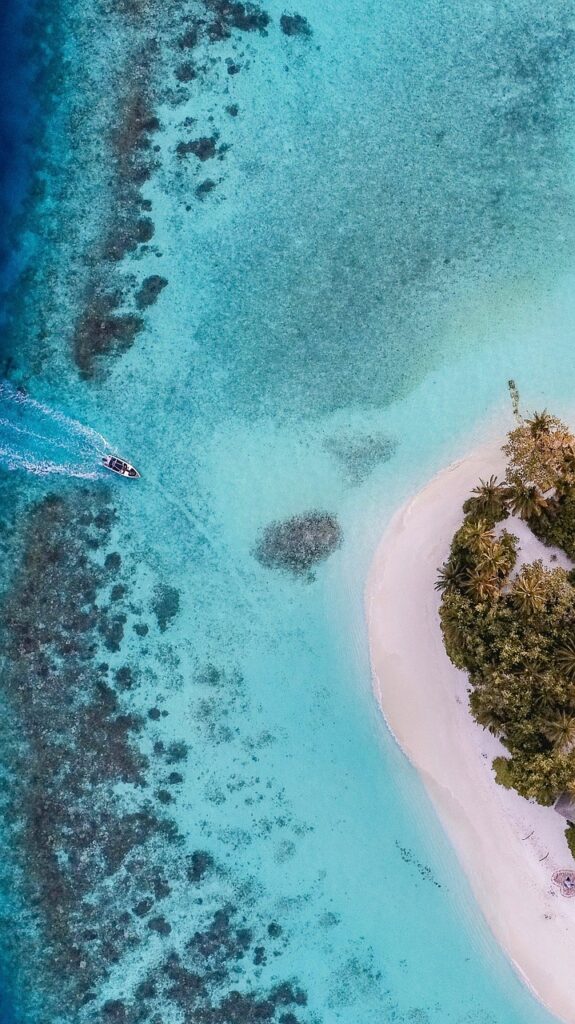
- Filicudi — Pecorini a Mare (Pecorini a Mare, 98050 Filicudi ME): a west-facing lookout often visited by dolphin pods.
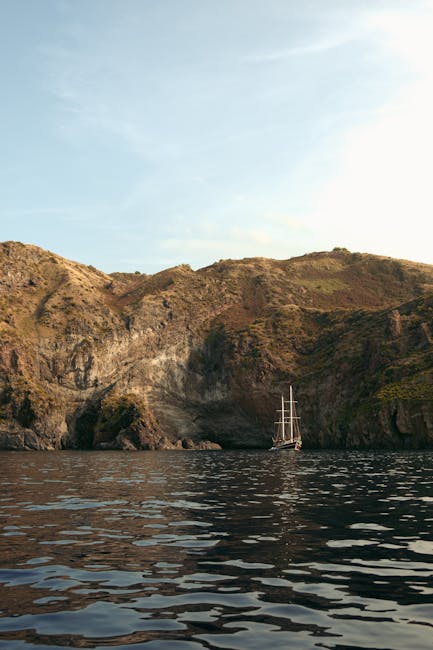
- Alicudi — Porto di Alicudi (Porto di Alicudi, 98050 Alicudi ME): sparsely trafficked waters where silence makes it easier to hear blows.
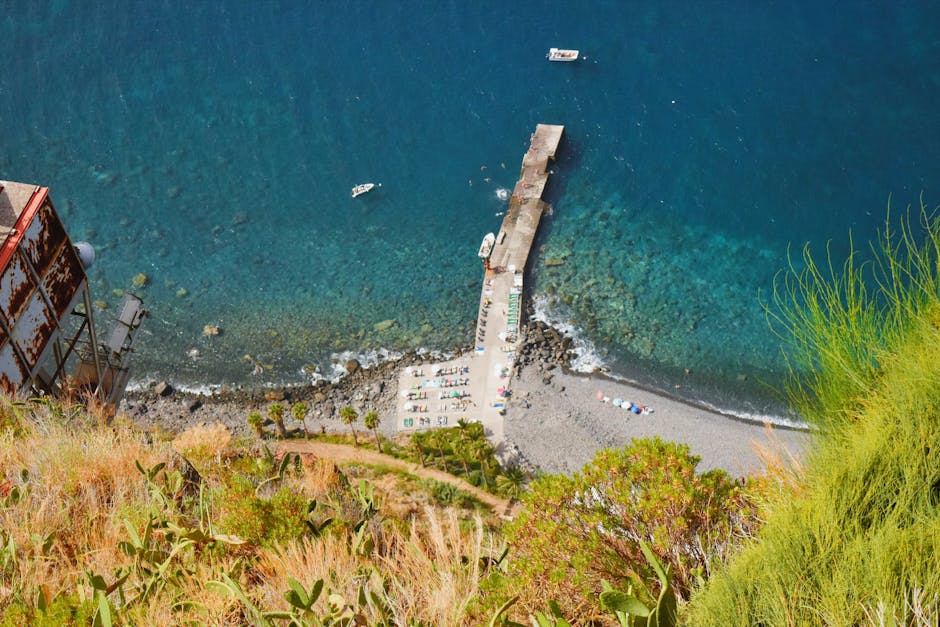
Pre-scouting checklist:
- Download Navionics charts or alternative marine maps
- Check local weather (MeteoBlue, Windy) 48h and 6h before
- Check ferry timetables (Liberty Lines, Siremar) and fares (Lipari–Salina €6–€10)
- Pin 2–3 observation points per island on your phone
2) Gear and preparation: what to bring and how to set up
Shore-based watching doesn’t require complicated gear, but the right choices will keep you comfortable and effective. Here’s a comprehensive packing list with rental and purchase options if you’re on the islands:
- Binoculars 8×42 or 10×42 — essential. Rentals in Lipari: « Ottica Eolie », Via Roma 45, 98055 Lipari ME; binocular rental from €10/day.
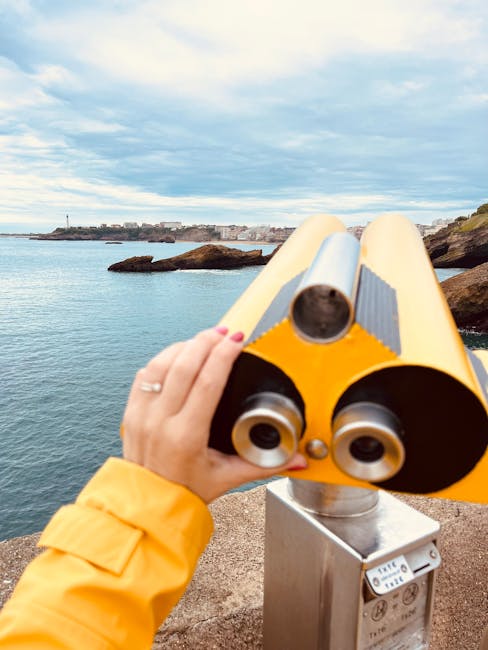
- Spotting scope for long-range viewing. Rentable at Lipari Dive Center, Marina Lunga 2, 98055 Lipari, around €25–€40/day.
- Phone with optical zoom and power bank (10,000 mAh power bank ~ €20–€30). Save offline maps and GPS.
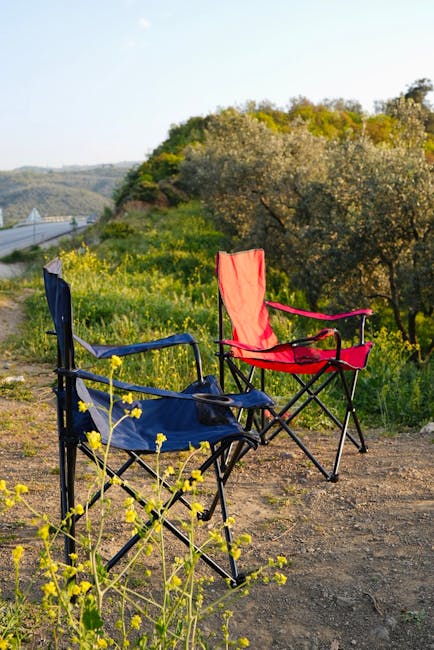
- Folding chair or camp seat to wait comfortably on rocks; bring a dry bag to protect your gear from salt spray.
- Clothing: windbreaker, hat, SPF50 sunscreen, polarized sunglasses (cut glare). Mornings can be cool — bring a fleece, especially on Stromboli.
- Field guide: « Whales, Dolphins and Other Marine Mammals of the Mediterranean » — pocket edition handy for ID. Available at « Libreria del Mare », Via Mazzini 28, Lipari, about €18–€25.
Setup tips:
- Choose an elevated spot (cliff, viewpoint) for the widest field of view. In Lipari, set up at the Quattropani viewpoint (Via Napoli 98055 Quattropani, Lipari) 30 minutes before sunrise.
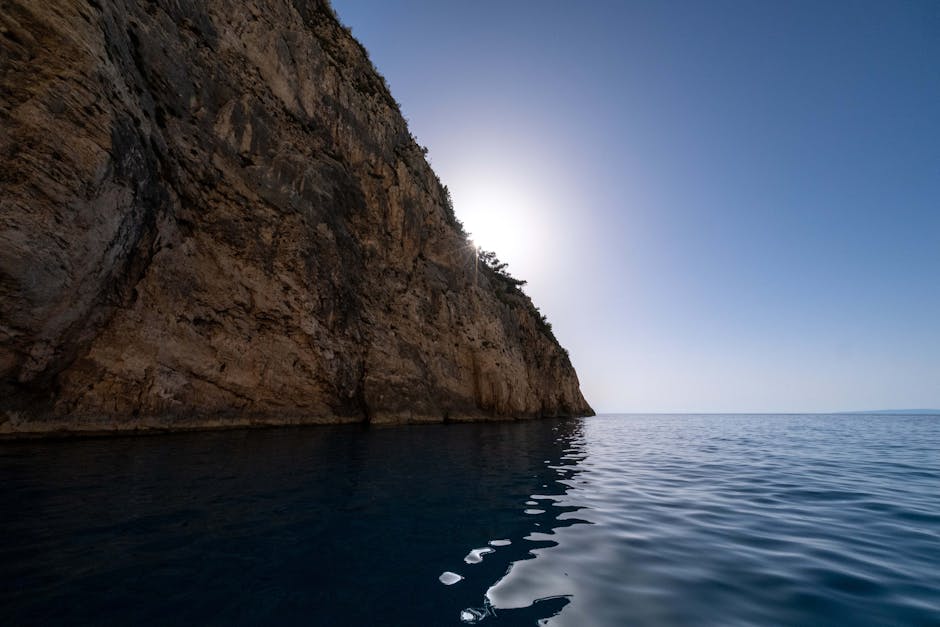
- Avoid noisy areas (busy waterfront cafés between 10:00–16:00); relative quiet helps you hear the puff of a blow.
- Face the open sea and set your binoculars at eye level to reduce strain.
3) Step-by-step observation method: what to watch for and when to act
Here’s a field-tested, operational method for quickly spotting and identifying cetaceans from shore. The steps are numbered so you can follow them in the field:
- 05:45–06:00 — Set up: arrive 30–45 minutes before your planned observation time. Example: Capo Graziano viewpoint on Filicudi (Capo Graziano archaeological site, 98050 Filicudi ME). Set up binoculars, spotting scope and charts.
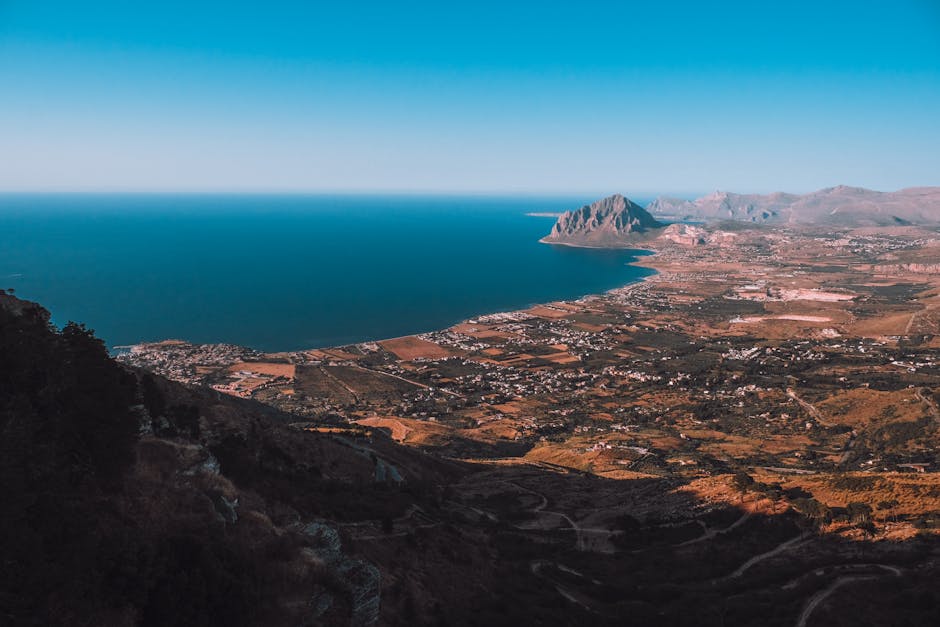
- 06:00–06:30 — Systematic scan: sweep the horizon horizontally in 10° sections. Use the spotting scope on each hot spot (areas of surface agitation, bird activity). Note any blow or fin. Dolphins often leave a trail of rapid small ripples; rorquals have tall, broad blows (roughly 3–5 m high).
- 06:30–07:00 — Identification: if you spot a shape or blow, switch to binoculars and try to ID the dorsal fin shape, blow frequency and behavior (breaching, tail slaps). Use your field guide. To confirm, take multiple photos/videos for documentation.
- 07:00–07:15 — Record details: log the exact time, bearing (N, S, E, W), estimated distance (in meters), and group size. If possible, call the local Capitaneria di Porto to report the sighting: Capitaneria di Porto di Lipari, Via delle Terme 1, 98055 Lipari ME, tel. +39 090 988 011.
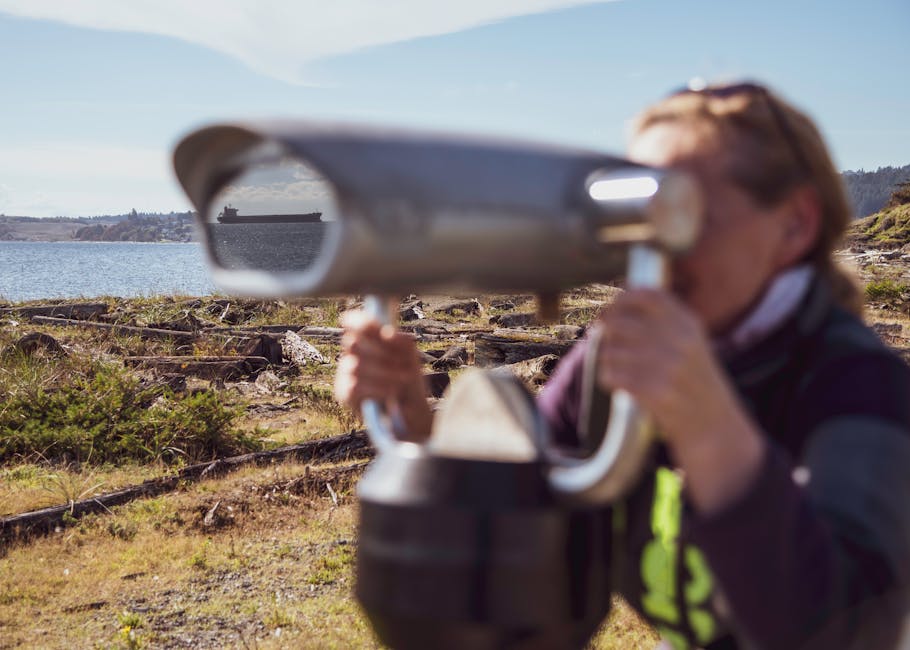
- 07:15–08:00 — Patience or relocate: if nothing shows, move 2–4 km down the coast (e.g. from Marina Corta to Punta Castagna in Lipari) and repeat the method. If there’s activity, stay discreet, avoid shouting and don’t fly drones over animals (prohibited without authorization). Drone note: the area is tightly regulated due to volcanoes and wildlife — check ENAC (Italian Civil Aviation Authority) rules.
Expected costs and fees:
- Parking and viewpoint access: usually free, but some port parking may charge €2–€5/hour.
- Binocular rental in Lipari: €10/day; spotting scope €25–€40/day.
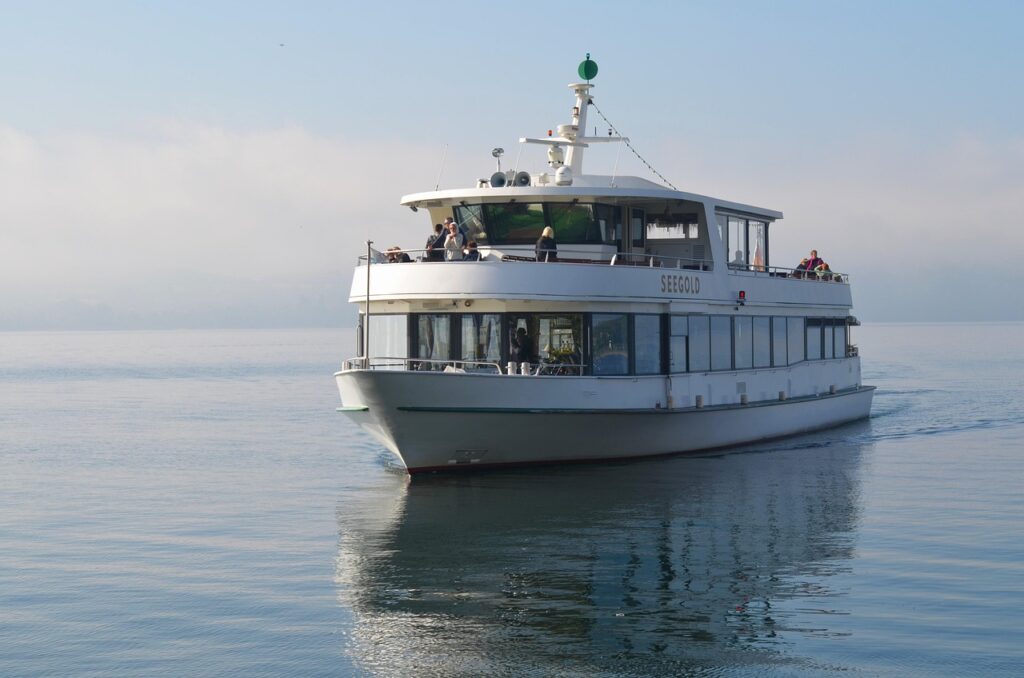
- Naturalist guide (optional): boat-based watching tours typically cost €40–€80/person, frequent departures from Marina Corta, Lipari (departures 09:00, 13:00, 16:00). If shore-based efforts fail, a boat trip is a solid backup.

4) Local stories, safety and responsible behavior
The Aeolian cetacean populations are well known to local fishers and captains, who often speak of stable dolphin “pods” around the islands. Here are local tips and safety rules to follow:
- Keep your distance: if you go out by boat, rules usually require staying at least 100 m from dolphin groups and 300 m from larger cetaceans. Local Capitanerie di Porto enforce these rules.
- Report encounters: if you find a stranded or injured animal, contact the nearest Capitaneria di Porto immediately (e.g. Capitaneria di Porto di Lipari, tel. +39 090 988 011) or the local WWF Italia network. Provide GPS location and photos.
- Health and safety: watch for slippery cliffs, currents and submerged rocks in ports. Don’t go to cliff edges without anti-slip footwear. Bring water and snacks — shops can be closed off-season.
- Follow volcanic rules: on Stromboli, don’t approach unstable slopes and stay on marked trails; the Aeolian Regional Park enforces rules for safety and site protection.
Field tips from local guides:
- Try a morning session plus a late-afternoon session: most encounters happen during these windows.
- If you see many diving birds, it often signals a school of fish and therefore potential feeding activity for dolphins.
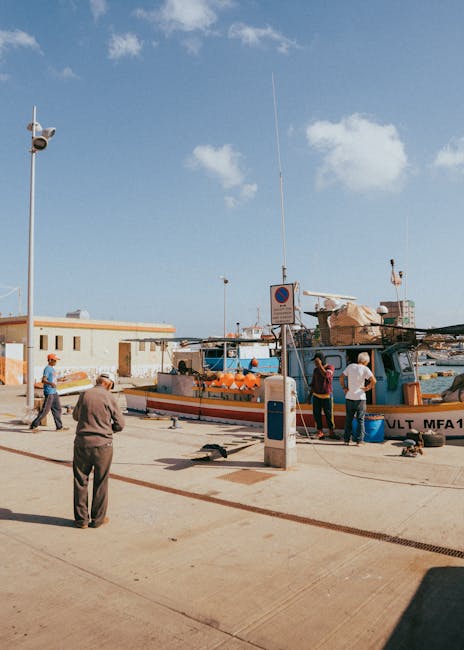
- When chatting with fishers, offer a coffee or a small local purchase (a €2–€3 drink is enough): fishers often give valuable recent tips about activity areas.

Conclusion — Sample itinerary, summary and commitments for responsible watching
Sample day for shore-based watching: leave Lipari at dawn (arrive at the Quattropani viewpoint by 05:45), scan and ID until 08:00, coffee break at Caffè Centrale (Piazza Mazzini 16, 98055 Lipari, open 07:00–22:00, espresso €1.20), then move to the west coast (Punta Castagna) for a second window from 16:30–19:00. If there’s no activity at all, consider a guided boat trip from Marina Corta (departures 09:00 and 14:00, €40–€70) to supplement your observations.
Actionable recap:
- Before: get Navionics charts, binoculars, check weather and tides.
- On site: arrive early, set up on a high vantage, sweep the horizon in sections, document any contact and report it to the port if needed.
- Gear: binoculars (rental in Lipari), spotting scope (optional), field guide and power bank.
- Respect: keep your distance, don’t disturb wildlife, follow local authority instructions.
Watching cetaceans from the Aeolian shore is a rewarding, accessible and sustainable activity when planned properly. With careful preparation, well-chosen observation points and respect for the animals, you can witness unforgettable moments while contributing to the protection of this fragile environment. Fair winds, patience and sharp eyes — the sea will often reward you with a blow, a leap or a pod of dolphins gliding along the volcanic coastline.