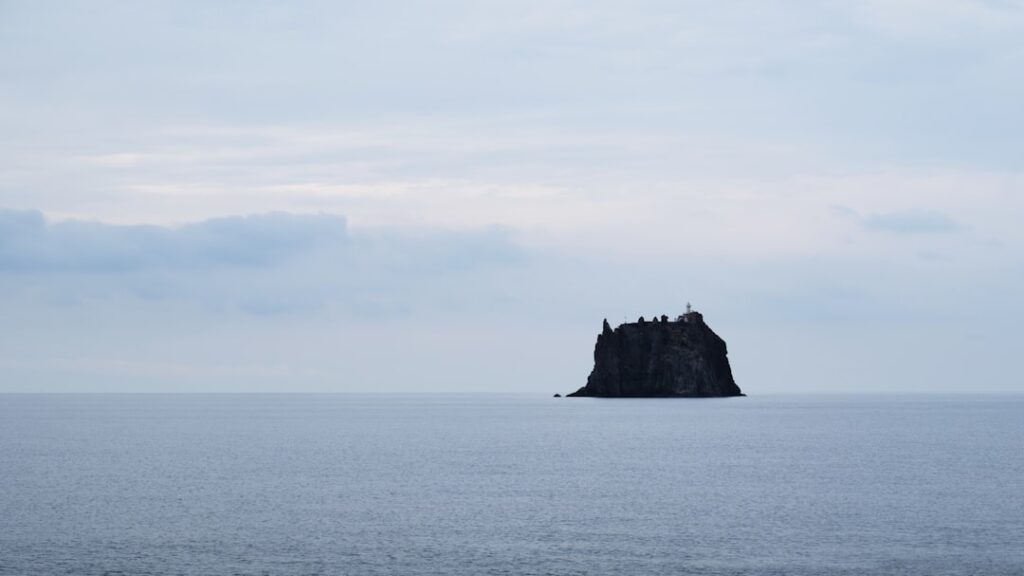






Introduction: Wreck Diving in the Aeolian Islands — a world of shipwrecks and legends
The Aeolian Islands, a volcanic chain off the coast of Sicily, offer far more than lunar landscapes and black sand beaches. For divers, these islands are an underwater museum where volcanic reliefs, multicolored gorgonians and, above all, shipwrecks tell tales of trade, war and adventure. Wreck Diving in the Aeolian Islands: Best Spots to Explore Legendary Shipwrecks promises escape, discovery and a healthy dose of adrenaline. Whether you’re an experienced diver hunting deep wrecks or a curious sport diver keen to inspect accessible hulls on scuba, the archipelago has something for every taste.
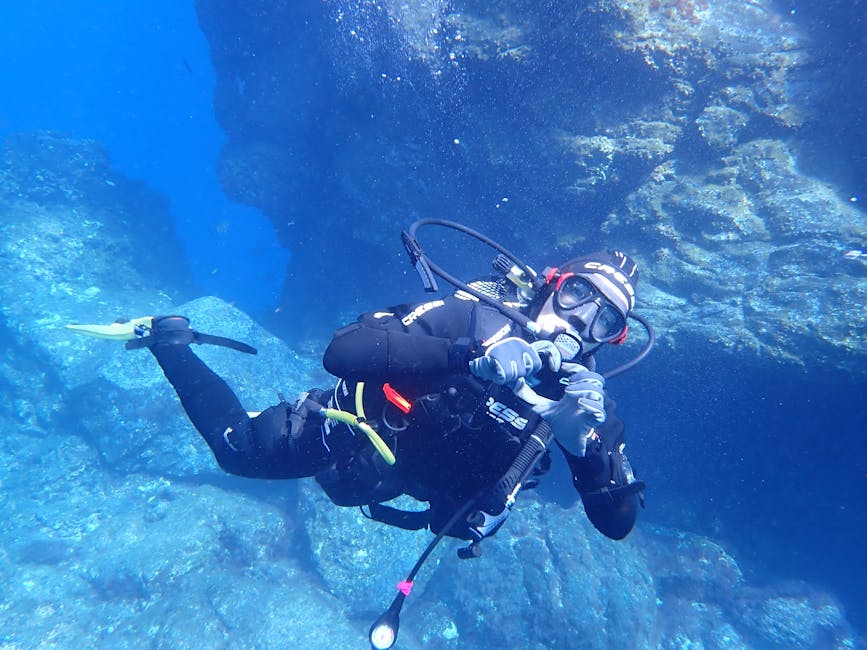
The wrecks around the Aeolians are not just piles of rusted metal; they’ve become artificial reefs, shelters for marine life and canvases for underwater photographers. Some wrecks are wrapped in local myths: merchant ships lost in storms, military craft sunk during World War II, or freighters that foundered after mechanical failures. Each dive is a meeting with history and an ecosystem, often featuring emblematic species like dusky groupers, moray eels, parrotfish and schools of saddled seabream.
This guide takes you island by island, port by port, to the most fascinating wreck sites of the Aeolian Islands. We’ve selected spots suited to varying skill levels and included practical details: full site names and maritime landmarks, port addresses for boarding, typical dive center schedules, indicative pricing for trips, and local tips to make the most of your dives. Whether you’re planning a dive-focused trip to Lipari, a photo expedition to Panarea or a technical mission to Stromboli, you’ll find concrete routes and recommendations to enjoy each dive safely.
Before you embark, a few precautions: currents around the islands can shift, visibility varies with the seasons and volcanic activity, and some wrecks require Advanced certification or a Wreck Diver specialty. For each spot we’ll note required levels, average depth, and local practical advice on equipment (torches, reels, gloves, suitable suits). Finally, to preserve these unique sites and their biodiversity, we’ll remind you of responsible diving practices: don’t touch, don’t take souvenirs, respect signage and follow local guides’ instructions.
Get your tanks ready, check your decompression tables or computer, and join us to discover the Aeolian Islands’ legendary wrecks — a journey where history and nature meet beneath the surface, between filtered light, volcanic topography and steel silhouettes resting on the floor of the Tyrrhenian Sea.
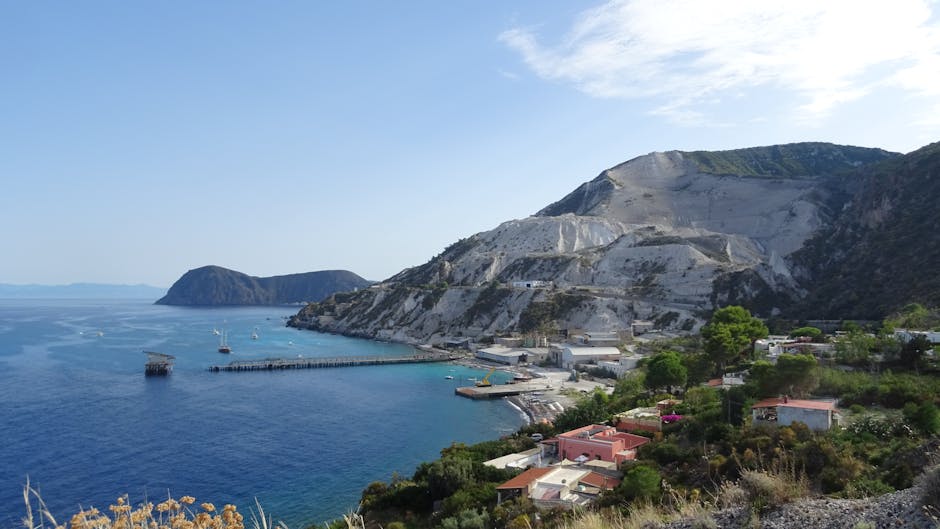
1. « Motonave Cariddi » wreck — Lipari, the iconic and accessible wreck
The site locally known as the « Motonave Cariddi » wreck lies southwest of Lipari, close to Marina Corta. This former passenger launch sits at an average depth of 18 to 28 meters, making it accessible to Open Water divers when guided. It’s become one of the Aeolians’ most photographed sites thanks to its still-visible portholes and the partially intact deck architecture.
Departure point: Porto di Lipari, Marina Corta, Via Lungomare Giuseppe Mazzini, 98055 Lipari ME, Italy. Boats usually leave from the main quay, within walking distance of the historic center. Boarding times: most dive trips depart the harbour between 08:30 and 09:30 for the first rotation, and between 13:30 and 14:30 for afternoon trips. Several local centers offer this as a half-day dive.
Recommended centers:
- Dive Lipari Center — Via Fossa, 15, 98055 Lipari ME. Hours: 08:00–19:00. Prices: try-dive from €70, introductory dive €55, wreck trip (2 dives) around €110 per person (including boat, weights and guide).
- Isola Blu Diving — Marina Corta, Via Lungomare G. Mazzini, 2, 98055 Lipari ME. Hours: 07:30–18:00. Similar pricing; gear rental €25 per day.
Dive description: The approach begins on a gentle slope where volcanic rocks give way to a sand-and-silt bottom. You’ll encounter the wreck in two phases: bow and flanks first, then the stern and wheelhouse. Currents are generally mild but visibility can range from 5 to 20 meters depending on the season. Exercise caution inside the structure: penetration is only for trained divers; the exterior already offers plenty to see, with gorgonians, tunicates and schools of bogues. Large groupers often shelter under the remains of the deck, creating memorable photo opportunities.
Local tips: go early in the morning for calmer seas; bring a torch to explore crevices and a strap for securing your camera. If you’re planning penetration, contact the center in advance to check the wreck’s condition and required permissions. Most operators require valid dive insurance and a copy of your logbook for deeper dives.
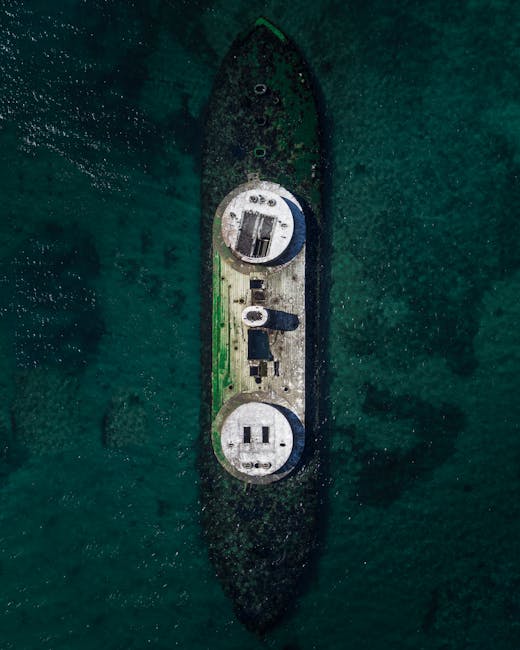
2. « Sicula » cargo wreck — Vulcano, where lava meets sand
The island of Vulcano, famous for fumaroles and thermal muds, also hides a highly photogenic wreck: the cargo vessel « Sicula », stranded in a sheltered cove on the island’s southwest side. The wreck lies in sections between 20 and 45 meters, with shallower parts reachable by deep snorkeling and deeper sections requiring technical diving.
Departure point: Porto di Levante, Via Provinciale, 98050 Vulcano ME, Italy. Trips are scheduled early to take advantage of the best weather. Typical timings: depart 09:00, return 16:30. Divers are often welcomed from 07:30 for prep and briefing.
Recommended centers:
- Vulcano Sub Diving — Via Lungomare, 12, 98050 Vulcano. Hours: 07:30–19:00. Price: wreck trip from €120 (2 dives), wetsuit rental €15.
- Thermal Dive Center Vulcano — Piazza Marina, 5, 98050 Vulcano. Hours: 08:00–18:00. Prices: try dives €80, wreck guide €60 extra.
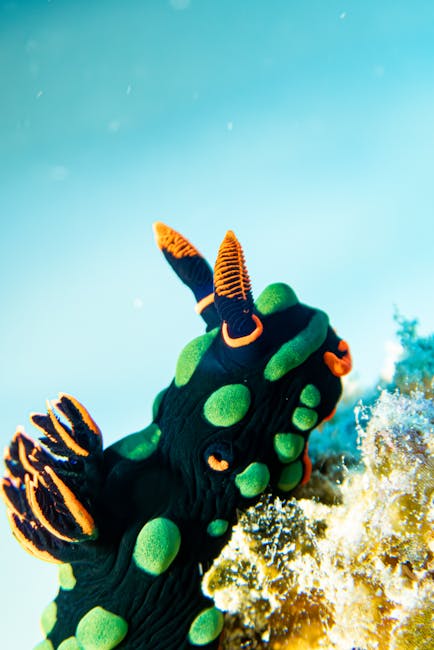
Dive description: Diving the « Sicula » is unique because the wreck is framed by volcanic features: basalt flows, lava columns and fissures. You’ll see a sharp contrast between black rocks and the metallic hull, encrusted with sponges and anemones. Shallow sections host starfish, colorful nudibranchs and schools of damselfish; deeper areas attract conger eels and sometimes barracuda. Good buoyancy control is required due to debris and unstable sections.
Local tips: the area’s visibility can fluctuate with volcanic emissions — check marine bulletins before you go. Bring a dry bag for gear that might need to be removed quickly if the weather changes. Strictly follow the no-touch rule: some sections are fragile and dangerous. Photographers often prefer wide-angle lenses to capture the lava/wreck contrast.
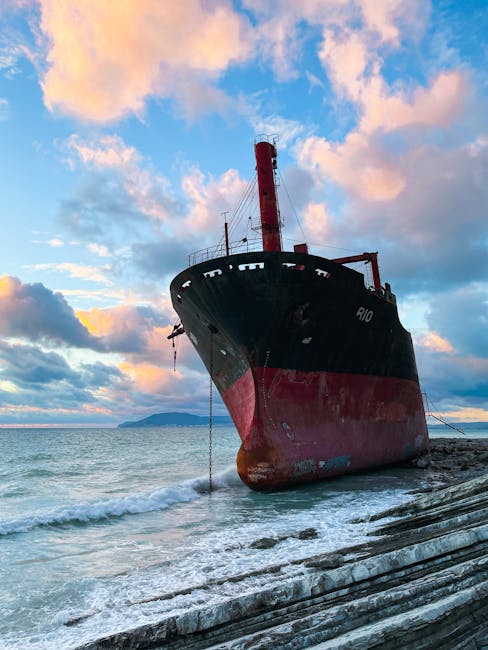
3. Panarea’s « Patrol Boat » — drift diving around the chic island
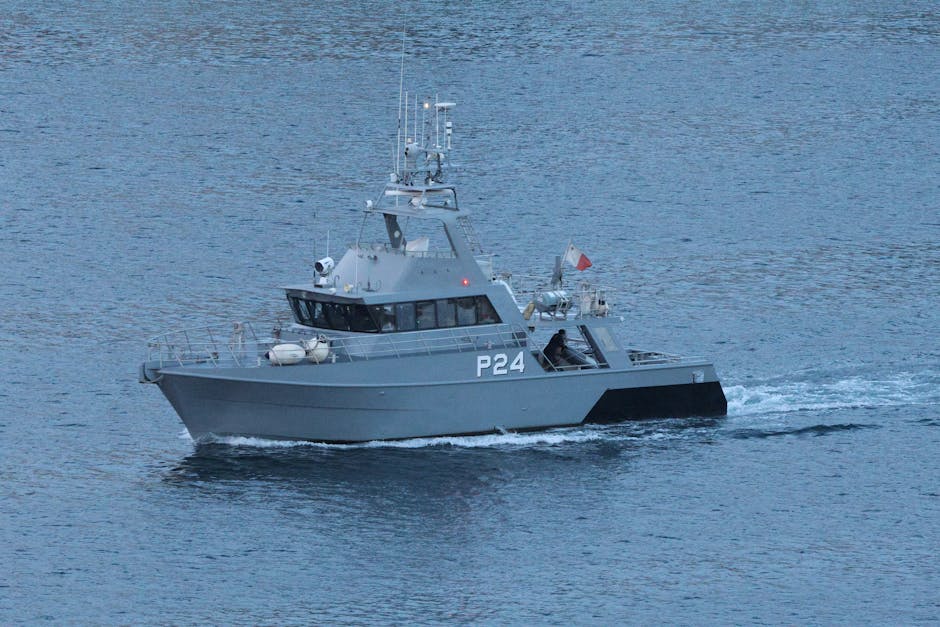
Panarea, a small island known for its cosmopolitan vibe and secluded coves, hosts a wreck commonly called the « Patrol Boat »: a light military craft deliberately sunk to create an artificial reef. The site sits northeast of Cala Junco bay, slightly off the tourist areas. It’s an ideal spot for a drift dive, suited to Advanced divers comfortable with compass navigation and current management.
Meeting point: Porto di Panarea, Via Nazionale, 98050 Panarea ME. Boats often leave between 09:00 and 11:00 depending on inter-island connections. Dive center check-in is usually required before 08:30 in high season. Evening departures are uncommon here because currents can change.
Recommended centers:
- Panarea Dive & Sea — Via Nazionale, 3, 98050 Panarea. Hours: 08:00–19:00. Price: drift dive €95 (includes boat and guide), SMB rental €10.
- Isola Diving Panarea — Porto, 98050 Panarea. Hours: 07:30–17:00. Price: 2-dive package €170.
Dive description: The « Patrol Boat » rests between 25 and 40 meters depending on the seabed slope. The dive is often a drift along a wall, allowing viewing of the hull from different angles. Currents bring plankton and small pelagic fish, occasionally attracting schools of mackerel and juvenile tuna. The structure is colonized by red gorgonians and sea fans, a colorful contrast to the metallic shape. Some signage remains readable, giving the site a museum-like atmosphere.
Local tips: choose a small-group trip for better quality and to minimize impact on the wreck. Bring an SMB and a compass: the drift can be long and it’s essential to mark your position to the boat. Best months run from April to October, with peak visibility in May–June and September.
4. « San Vincenzo » cargo wreck — Salina, depth rewards and marine encounters
On Salina lies the cargo wreck « San Vincenzo », sunk decades ago and now settled along a dramatic wall. The site is fairly deep, with top sections around 30 meters and the base reaching 55 meters, making it suitable for Advanced and technical divers. The wreck is notable for its size and setting: underwater cliffs plunging into volcanic seabeds teeming with life.
Departure point: Porto di Rinella, Via Marina, 98050 Santa Marina Salina ME. Boarding is common from the main quay. Dive center departures: early mornings between 08:00 and 09:30, often combining a wreck dive with a wall dive.
Recommended centers:
- Salina Sub Diving — Via Marina, 2, 98050 Santa Marina Salina. Hours: 07:30–19:00. Price: technical wreck trip €180 (including planned decompression, guide, boat), special gear rental €40.
- Deep Blue Salina — Lungomare, 98050 Rinella. Hours: 08:00–18:30. Price: advanced guided dive €140.
Dive description: The « San Vincenzo » presents impressive features: open holds, collapsed upper decks and a still-recognizable bow. Experienced divers will find caverns to explore (with proper training), cargo heaps colonized by hard and soft corals, and occasional large predators like big groupers and morays. Dives are often paired with a stop along the adjacent wall, where schools of seabream and lionfish can be spotted.
Local tips: because of the depth, carefully plan your deco stops and discuss decompression strategy with your guide. Bring a reliable dive computer, consider redundant air if needed, and check the weather several days in advance. Late spring and early autumn are the best seasons for deep diving when the sea is calmer and visibility improves.
5. Filicudi and the « Amerigo » wreck — technical exploration and biodiversity
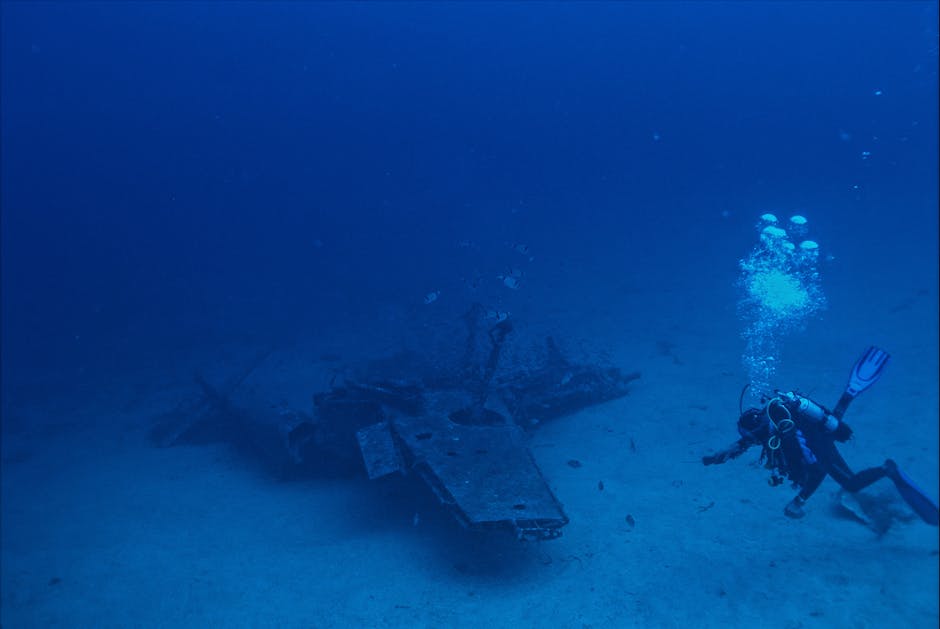
Filicudi, the wildest of the Aeolians, is known for well-preserved bottoms and exploratory dives. The wreck locally called « Amerigo » is a medium-sized vessel resting among volcanic rock formations at depths from 22 to 48 meters. This dive combines technical requirements with rich marine life: the structures are home to dense underwater communities.
Departure point: Porto di Filicudi, Via Marina, 98050 Filicudi ME. Landings are from the small quay at Pecorini Mare village. Boarding times: between 08:00 and 09:30 depending on tide and weather. It’s wise to book several days ahead in high season, as group sizes are limited.
Recommended centers:
- Filicudi Dive Center — Via Marina, Pecorini Mare, 98050 Filicudi. Hours: 07:30–18:00. Price: wreck trip €150 (2 dives), underwater photography €60 extra.
- Blue Grotto Filicudi — Località Pecorini, 98050 Filicudi. Hours: 08:00–17:00. Price: introductory dive €90, regulator rental €20.
Dive description: The approach first reveals kelp gardens and underwater cliffs, then the silhouette of the « Amerigo » emerging among volcanic blocks. The structure is fragmented but intact enough to recognize the superstructure and stern. Expect schools of bogues, gurnards and occasional sunfish passing through. Cavities and overhangs shelter crabs, cephalopods and plenty of small invertebrates that attract larger predators. This dive requires solid trim and gas management due to frequent depth changes.
Local tips: consider a rebreather or plan to use nitrox if available to maximize bottom time without exceeding decompression limits. Macro photographers will love the sponge-covered small cavities. Also, follow anchoring guidelines: many operators use buoys to avoid damaging the fragile volcanic seabed.
6. Stromboli and the Golfetto wrecks — spectacular dives beneath an active volcano
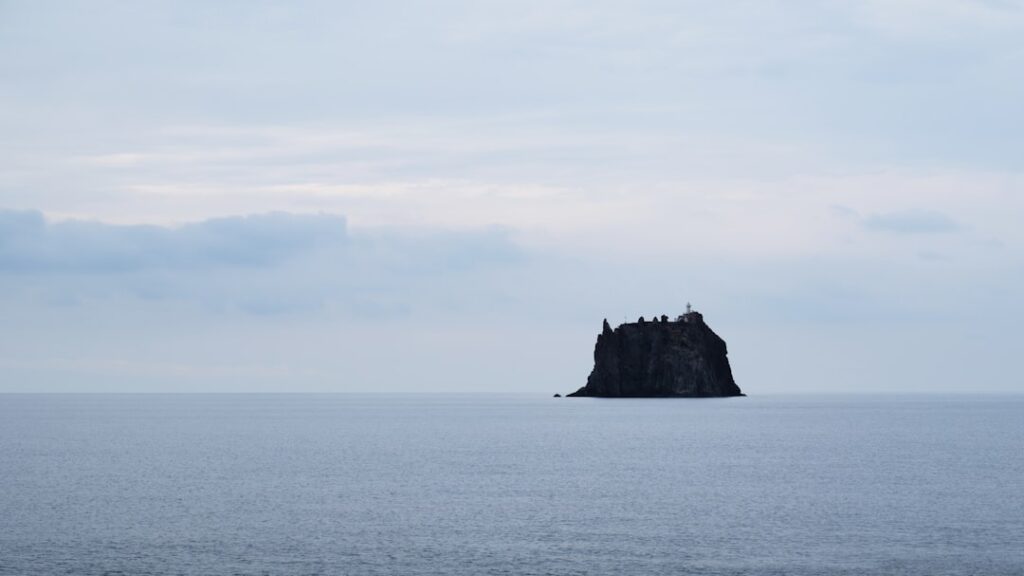
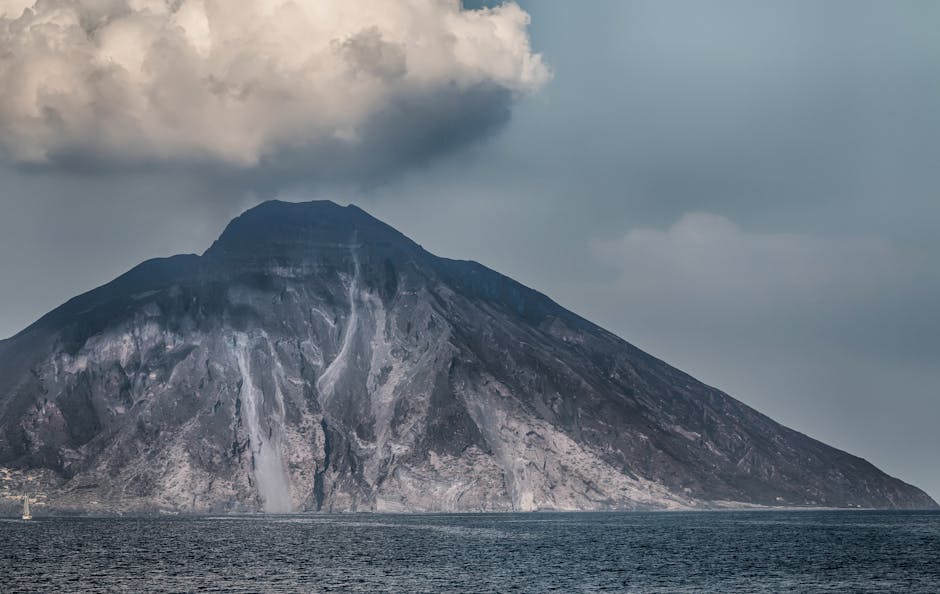
Stromboli, with its active volcano that spews lava jets, offers extraordinary diving: immersions at the volcano’s base and wrecks located in the Golfetto area on the island’s northwest side. Wrecks here range from small fishing boats to larger hulls and rest between 15 and 50 meters. The proximity to volcanic activity adds a dramatic layer to these dives, with surreal scenery and abundant marine life.
Departure point: Porto di Stromboli, Via Marina, 98050 Stromboli ME. Dives depart from the central port; because conditions can change fast, departures often occur very early (07:00–08:00) to take advantage of the most stable hours. Centers recommend booking 48 hours in advance.
Recommended centers:
- Stromboli Underwater — Via Marina, 98050 Stromboli. Hours: 07:00–20:00. Price: two dives at the volcano + wreck €160, night dive on request €200.
- Volcano Dive Stromboli — Piazza San Vincenzo, 98050 Stromboli. Hours: 07:30–19:00. Prices: snorkeling intro €40, guided wreck dive €120.
Dive description: The Golfetto wrecks are often found at the base of basalt cliffs, on bottoms of black sand and volcanic rock. Color contrasts — rusted metal, dark basalt and bright gorgonians — make for unique photographic compositions. Dives may be affected by falling ash or small volcanic debris; local centers constantly assess risks and adapt routes. Typical fauna includes schools of bogues, anthias, and occasionally rays and migratory tuna.
Local tips: always check the volcano’s status with the local Geological Service or dive centers, especially after any recent paroxysm. Experienced guides know the sheltered zones and will adjust the dive accordingly. Bring protective covers for lenses to prevent abrasion from suspended ash. Finally, plan a Stromboli evening after diving to watch the volcanic explosions from a safe viewpoint — an unforgettable complement to a day under the waves.
Conclusion: Preparing your Aeolian Islands wreck diving trip and respecting underwater heritage
The Aeolian Islands offer an unforgettable range of underwater experiences: wrecks accessible to recreational divers, maritime structures for Advanced exploration, and technical sites for deep-diving enthusiasts. Each island — Lipari, Vulcano, Panarea, Salina, Filicudi, Stromboli — has its own character, dive routes and wrecks that reveal chapters of Mediterranean maritime history. When planning your trip, take the time to choose reputable dive centers, verify boarding times and prices, and tailor your itinerary to your skill level and photographic or exploratory interests.
Here’s a quick practical checklist before you go:
- Certifications: check if sites require Advanced certification or a wreck specialty. Bring your licenses, insurance card and logbook.
- Equipment: pack a torch, reel, SMB, dive computer and a suit appropriate for water temperatures (around 18–26 °C depending on season). Consider nitrox for deep dives.
- Booking: in high season (July–August) spots are limited; reserve 2–4 weeks in advance to secure your preferred sites.
- Respect the site: do not touch or remove anything; report any valuable artifacts to local authorities for conservation.
Indicative prices and budgets: expect to pay around €55 for a single shallow wreck dive (e.g. Lipari Cariddi) up to €200 for technical trips including nitrox and decompression planning (e.g. Salina « San Vincenzo »). Gear rental ranges from €15 to €40 per day depending on the item. Advanced or wreck specialty courses start at roughly €250–350, a worthwhile investment if you plan to visit many exploration sites.
Final local tips: stay near the ports (Marina Corta in Lipari, Porto di Rinella in Salina, Porto di Vulcano) to limit transfer stress, opt for small-group outings for a more intimate and secure experience, and use non-dive days to explore volcanic trails, thermal baths and local cuisine — from fresh fish to caper-based specialties and other seafood dishes. Remember that wrecks are both historical witnesses and living habitats; your respect helps preserve these treasures for future generations.
Embark informed, dive safely, and let yourself be captivated by the legendary wrecks of the Aeolian Islands — a journey where history is told in bubbles and shafts of filtered light beneath the sea.