





Introduction — Discovering the Aeolian Islands’ Hidden Beaches
The Aeolian Islands, a volcanic archipelago off Sicily’s north-eastern coast, have long drawn travelers looking for wild landscapes, turquoise waters, and authentic experiences. While spots like Lipari’s Marina Corta or Spiaggia Bianca are well known, the archipelago hides many secluded coves and “secret” beaches reachable only by the most curious — those willing to take a boat, hike steep trails, or ask locals for directions. This guide lays out the top 10 hidden beaches of the Aeolian Islands, with practical details (locations, access, prices), immersive descriptions, and local tips to help you enjoy each spot safely and respectfully.
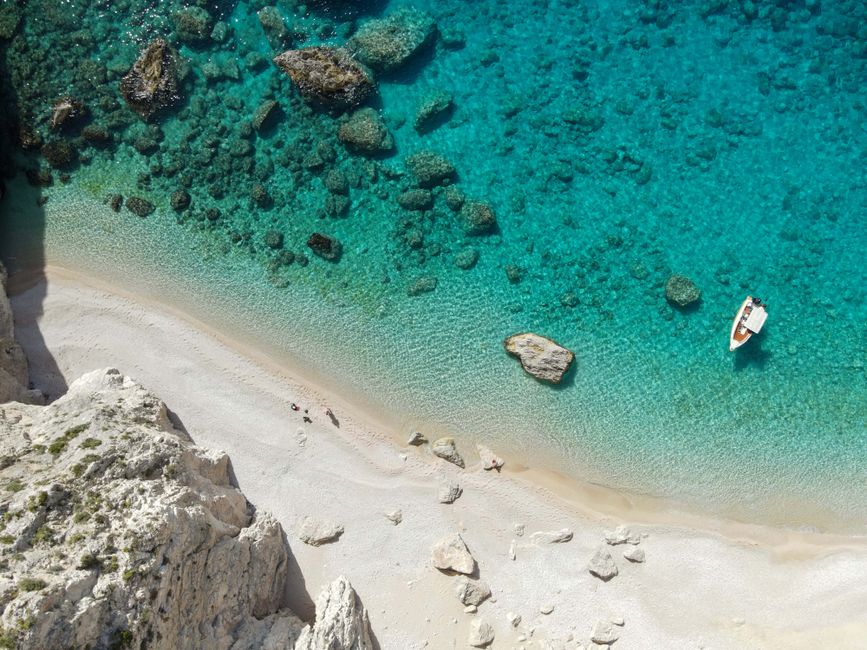
Every beach featured here was chosen for its unspoiled character: black lava cliffs, smooth white pebbles polished by the sea, coves where the only sounds are gentle waves and the calls of seagulls, or small stretches of golden sand tucked behind tamarisk groves. The best way to reach many of these treasures is often by sea — boat tours, local water taxis, or kayaking — though some are reachable on foot via coastal trails with spectacular views. In this guide you’ll find as-precise-as-possible addresses (town, postal code, island), access information, possible fees (entry, sunbeds, parking), recommended times to visit to avoid crowds or catch sunsets, plus practical advice on safety, environmental protection, and respecting local communities.
Important note: addresses in the Aeolian Islands often refer to localities or landmarks rather than numbered streets, as many coves lie within protected natural areas. Prices shown — in euros — reflect current average rates and include options to rent sunbeds/umbrellas or stop at organized beaches; many wild beaches remain free of charge. Suggested visiting hours (time of day and seasons) are provided to help plan but can change depending on weather, tides, and local seasonal rules. Throughout the sections you’ll also find local tips for snorkeling, boarding, photography, what gear to bring, and how best to leave no trace and respect residents.
1. Baia di Pollara — Salina (Baia di Pollara, 98050 Malfa ME, Italy)
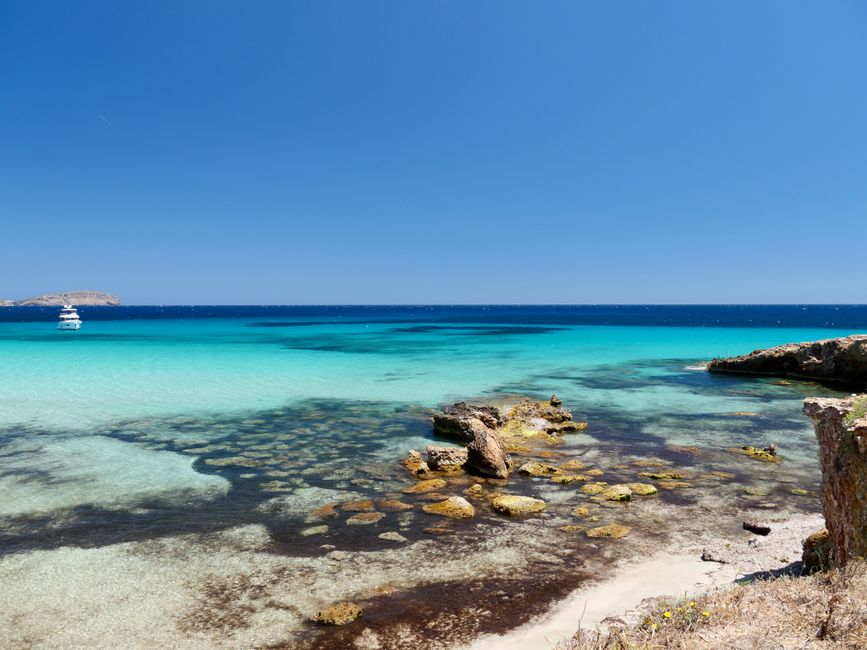
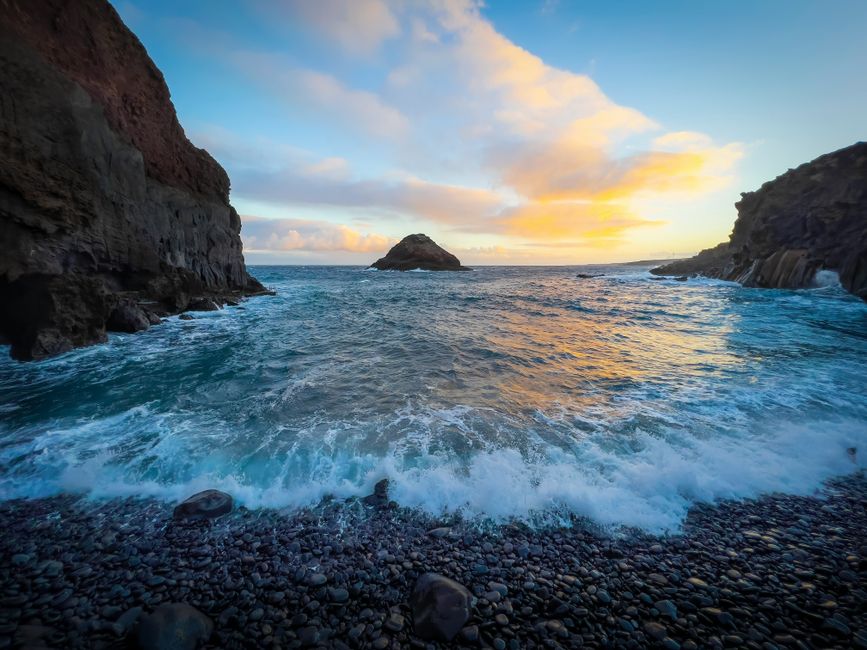
Description: Baia di Pollara is a small, tucked-away bay on Salina, famed for its steep cliffs and deep green crystalline water. The beach is a mix of pebbles and dark sand, sheltered from the wind by an iconic cliff face. The place gained almost mythical status after being featured in several Italian films.
Exact address: Baia di Pollara, Località Pollara, 98050 Malfa ME, Italy.
Access: Reachable only on foot via a trail from the hamlet of Pollara (about a 20–30 minute descent) or by boat from Santa Marina Salina. Parking is usually available at the trailhead (free).
Hours: Open 24/7; avoid the descent after dark. Best period: April to October. Best times: early morning (7:00–10:00) to enjoy calm, or late afternoon for golden light on the cliff.
Price: Free entry. Boat trips from Santa Marina Salina cost roughly €25–45 per person (ask the crew to stop at the bay).
- Local tips: Wear lightweight hiking shoes for the descent. Bring water and snacks; there are no facilities on site. Excellent snorkeling along the rocks at the left end of the bay.
- Photography: the bay is especially photogenic late in the afternoon when the cliff takes on warm tones.
2. Cala Junco — Panarea (Cala Junco, 98050 Panarea ME, Italy)
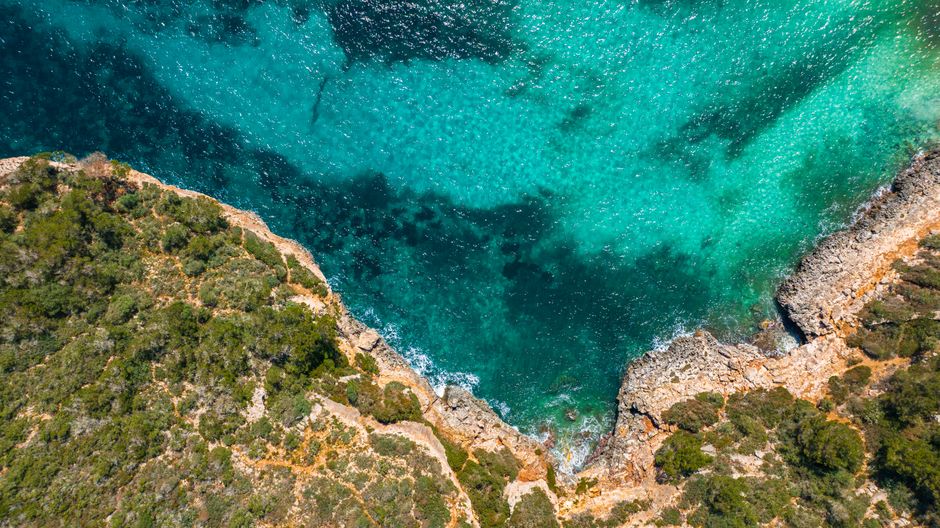
Description: Cala Junco on Panarea is a crescent-shaped cove fringed by volcanic rocks and small pebble beaches. The water is remarkably clear — perfect for observing marine life. Access is by sea or via a short trail from the village of San Pietro.
Exact address: Cala Junco, Località San Pietro, 98050 Panarea ME, Italy.
Access: Mainly by boat or kayak; a rocky path links the bay to the village if you’re up for a 15–20 minute walk. No direct parking.
Hours: Open access; best to visit early (8:00–11:00) or late afternoon (17:00–19:00). Very busy in July and August — aim for shoulder season (May–June, September).
Price: Free entry. Kayak rentals from Panarea port: €15–30 per hour. Shared boat tours that include a stop cost about €40–60.
- Local tips: Watch out for slippery rock slabs — bring water shoes. Respect the protected area — don’t pick plants or leave trash. A great half-day spot for snorkeling.
3. Spiaggia di Ficogrande — Lipari (Spiaggia di Valle Ficogrande, 98055 Lipari ME, Italy)
Description: Spiaggia di Ficogrande is a narrow pebble beach tucked beneath history-rich cliffs at the base of the Quattropani/Valle area. The water is clear and the bay is often calm, sheltered from the sirocco. It’s a quieter alternative to some of Lipari’s more popular beaches.
Exact address: Spiaggia di Valle Ficogrande, Località Quattropani, 98055 Lipari ME, Italy.
Access: Reachable via a descent from the hamlet or the SP179 road; limited parking at the top of the trail. You can also arrive by boat from Marina Corta.
Hours: Open 24/7; best visited early in the morning. It still sees crowds during high season (July–August).
Price: Free entry. Some private spots may offer sunbeds: €10–20 per sunbed and umbrella per day when available.
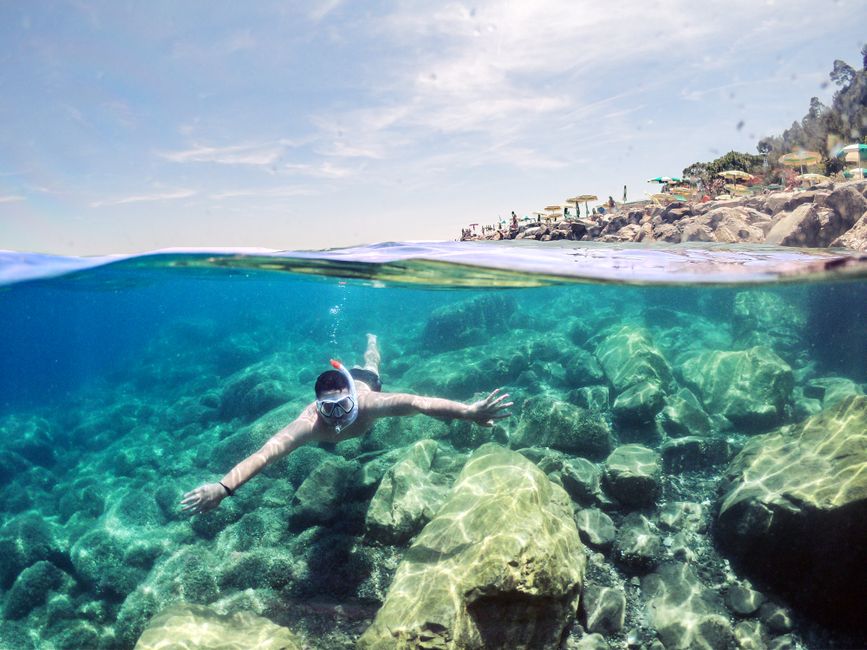
- Local tips: Check the wind direction before heading out — a northerly wind can make the sea rough. Excellent spot to study volcanic rock formations. Bring a mask and snorkel to swim near the rocky walls.
4. Spiaggia delle Saladelle — Vulcano (Spiaggia delle Saladelle, 98050 Isola di Vulcano ME, Italy)
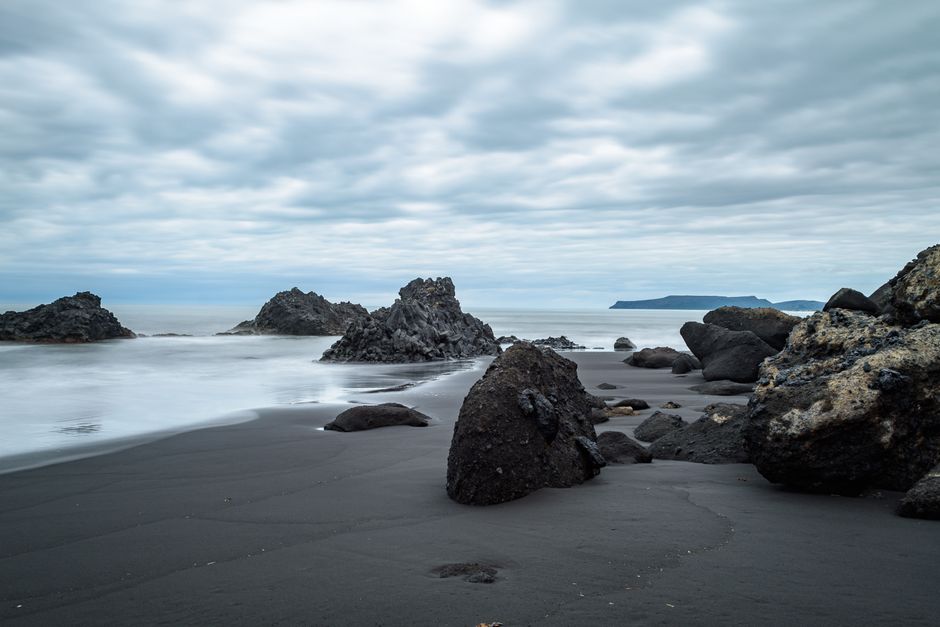
Description: On Vulcano, Spiaggia delle Saladelle is a more understated beach than the famous Spiaggia di Gelso. A mix of fine sand and black volcanic elements creates a dramatic contrast, and the calm water is pleasant for swimming. The surrounding area features lava formations and low Mediterranean scrub.
Exact address: Spiaggia delle Saladelle, Località Gelso-Saladelle, 98050 Isola di Vulcano ME, Italy.
Access: Walkable from Porto di Levante (about 20–30 minutes) or reachable by scooter/car to nearby parking followed by a short path. There are no major commercial facilities on the beach.
Hours: Open access; moderate crowds, especially in September. Best times: morning and late afternoon to enjoy peace and shade.
Price: Free entry. When available, local operators may rent sunbeds or umbrellas: €10–18 per day.
- Local tips: Bring strong sun protection — little natural shade. Use nearby trails to reach fumarole areas with caution. Nearby thermal spots can be visited under guidance.
5. Spiaggia di Abruzzese — Filicudi (Spiaggia di Abruzzese, 98050 Filicudi ME, Italy)
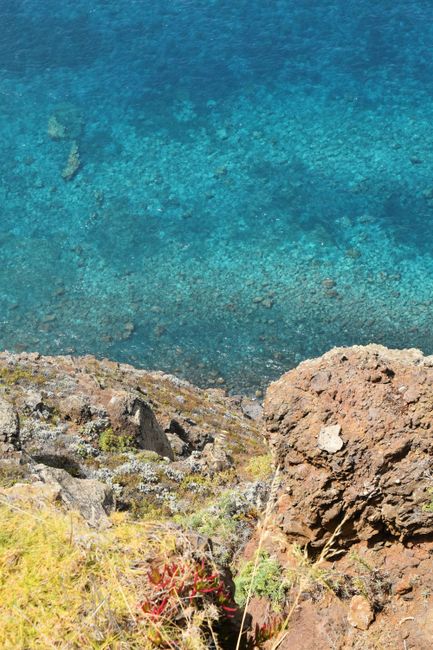
Description: Filicudi is one of the wildest, most preserved islands in the Aeolians. Spiaggia di Abruzzese is a small, isolated beach flanked by rocks and pebbles, reached after a hike with panoramic views. The water is crystal-clear and the solitude often means you’ll have the place almost to yourself.
Exact address: Spiaggia di Abruzzese, Località Abruzzese, 98050 Filicudi ME, Italy.
Access: Mainly on foot via a trail from Pecorini a Mare (about 30–45 minutes over uneven terrain) or by boat. No services nearby.
Hours: Open access. Best seasons: May–October. Favor mornings for light and to avoid a strenuous climb back up in extreme heat.
Price: Free entry. Boat trips from Filicudi Porto: €30–50 per person depending on duration.
- Local tips: Bring plenty of water and sturdy walking shoes. Take a bag to carry out any trash. Bring a mask and snorkel to explore small underwater caves.
6. Spiaggia di Scari (Baia delle Felci) — Lipari (Spiaggia di Scari, 98055 Canneto ME, Italy)
Description: Known locally as Baia delle Felci, Scari is a pebble-and-rock cove backed by vegetated cliffs. Less frequented than Lipari’s central beaches, it offers direct contact with the sea and good snorkeling opportunities.
Exact address: Spiaggia di Scari (Baia delle Felci), Località Scari, 98055 Canneto ME, Italy.
Access: Reachable via the SP179 road then a short footpath; you can also arrive by boat from Marina Corta. Parking is limited.
Hours: Open access; best early morning or late afternoon. High season: July–August.
Price: Free. Sunbed/umbrella rentals when offered: €8–15 per day.
- Local tips: Bring a mask to explore the rocky seabed. Rocks can be slippery — take care entering the water. Great morning light for rock and landscape photography.
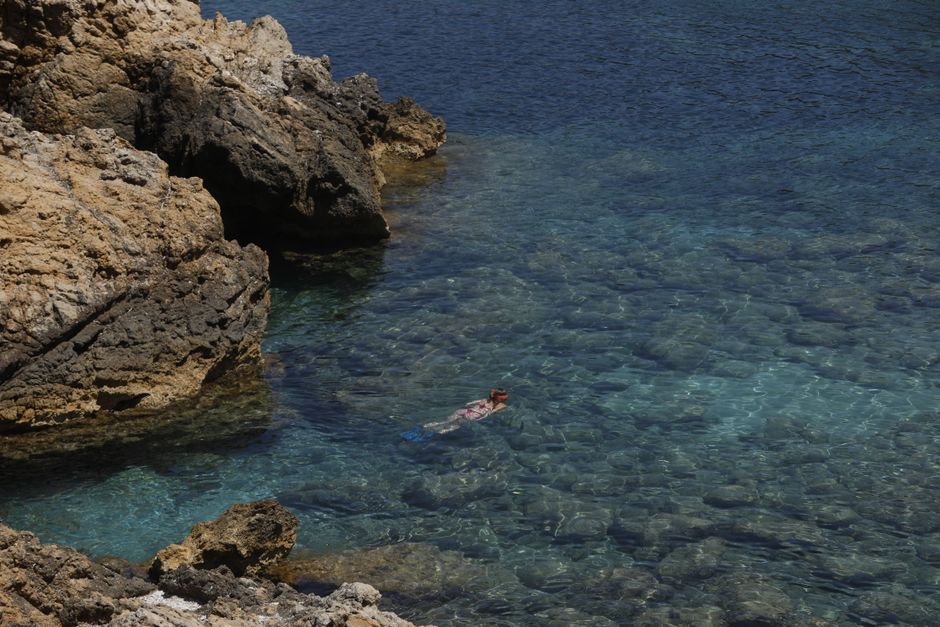
7. Cala Zimmari — Alicudi (Cala Zimmari, 98050 Alicudi ME, Italy)
Description: Alicudi, the archipelago’s westernmost and least populated island, hides Cala Zimmari, a small pebble beach sheltered by sheer cliffs. Its limited access keeps it tranquil — ideal for travelers seeking solitude and untouched nature.
Exact address: Cala Zimmari, Località Zimmari, 98050 Alicudi ME, Italy.
Access: Mostly by boat; a short but steep descent on foot is possible but challenging. No infrastructure on site.
Hours: Open access. Plan according to sea conditions — in rough weather approaching is not recommended. Best time: May–September.
Price: Free entry. Shared boat outings from Alicudi Porto: €25–50 depending on season.
- Local tips: Check ferry times and sea conditions. Bring food and water — no services available. Wear water shoes and a life jacket if arriving by tender.
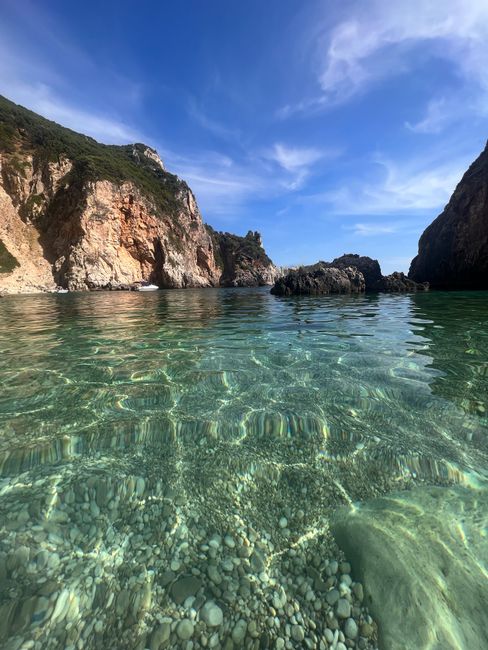
8. Spiaggia dei Mergoli — Stromboli (Spiaggia dei Mergoli, 98050 Stromboli ME, Italy)
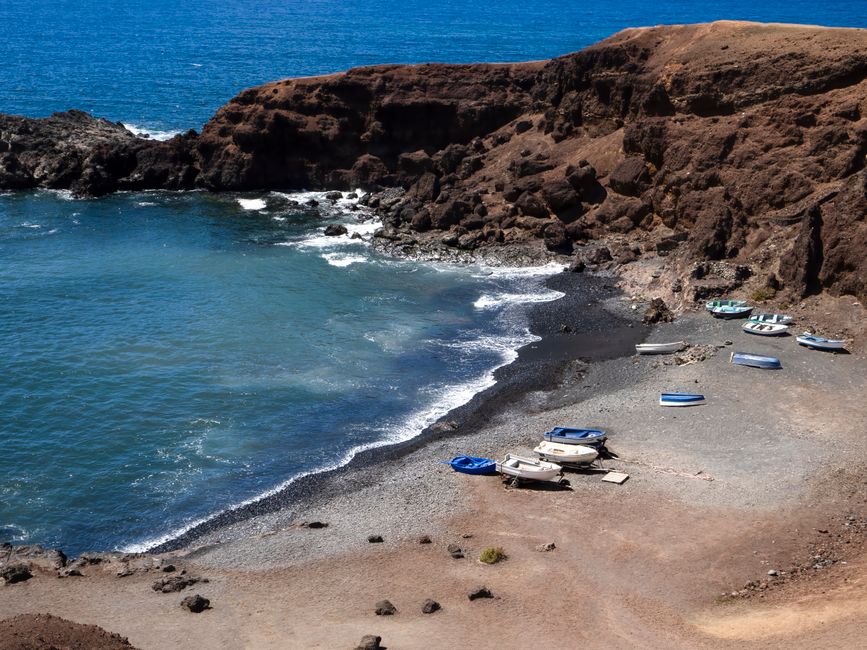
Description: On volcanic Stromboli, Spiaggia dei Mergoli is a lesser-known cove offering dramatic views of volcanic slopes and the sea. Dark pebbles, a hushed atmosphere, and nearby basalt formations create a powerful, almost mystical setting.
Exact address: Spiaggia dei Mergoli, Località Mergoli, 98050 Stromboli ME, Italy.
Access: Reachable on foot from Stromboli village via coastal paths (30–40 minutes) or by boat. Note: access may be restricted if volcanic activity increases.
Hours: Open access; always check safety updates related to volcanic activity. Best times: early morning for peace, or evening for striking volcanic-light contrasts.
Price: Free entry. Guided hikes on the island (Stromboli summit climbs) don’t always include beach stops: €25–60 depending on the operator.
- Local tips: Check with local authorities about volcanic activity before visiting. Bring a mask and snorkel to explore rocky sea caves.
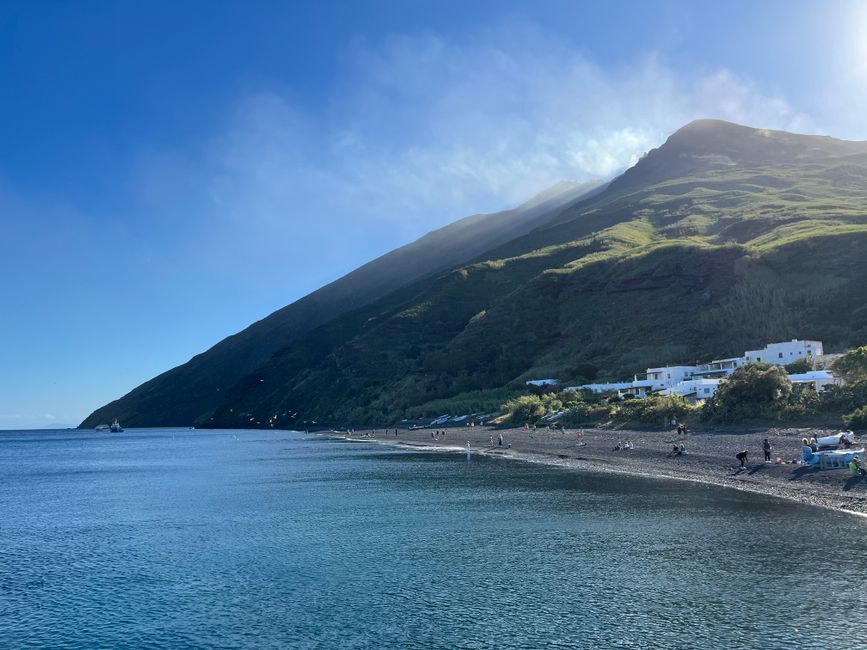
9. Spiaggia di Cala Junco Inferiore — Panarea (Cala Junco Inferiore, 98050 Panarea ME, Italy)
Description: Less famous than the main Cala Junco, Cala Junco Inferiore is a small bay on Panarea’s southeast side reachable only by sea or a steep trail. It features black volcanic rocks, tiny pebble beaches, and incredibly clear water often frequented by small tropical fish that enjoy the warm shallows.
Exact address: Cala Junco Inferiore, Località Panarea Sud-Est, 98050 Panarea ME, Italy.
Access: Mostly by boat or kayak from Panarea port. The trail is possible but arduous (consider a guide if unsure). No facilities on site.
Hours: Open access. Best season: May–October. Visit early to avoid tour boat traffic.
Price: Free entry. Kayak rentals: €15–35 per hour. Private tours: €100–200 depending on duration and boat type.
- Local tips: Watch for easterly winds that can roughen the bay. The cove is sensitive to swell — keep weather and sea conditions in mind if kayaking back.
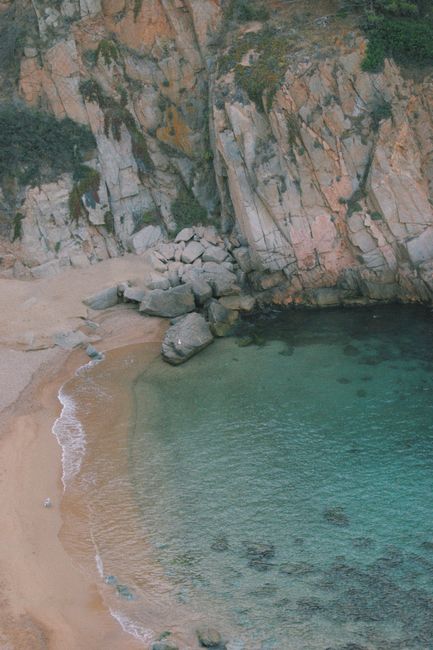
10. Cala Tramontana — Vulcano (Cala Tramontana, 98050 Isola di Vulcano ME, Italy)
Description: Cala Tramontana is a quiet spot on Vulcano’s northwest coast, defined by rocky shorelines, deep clear water, and small translucent coves ideal for snorkeling. The vibe is wild, with the volcano forming a dramatic backdrop.
Exact address: Cala Tramontana, Località Nord-Ovest, 98050 Isola di Vulcano ME, Italy.
Access: Reachable on foot via coastal trails from Porto (20–40 minutes) or by taxi-boat. No immediate facilities.
Hours: Open access. Best time: May–October. If you descend by trail, plan to return before dark.
Price: Free entry. Taxi-boat service from Porto di Levante: €10–25 depending on distance.
- Local tips: Rocky seabeds here are rich in marine life — bring a mask and snorkel. Avoid approaching fumarole areas; follow signs and local guidance. Carry a small first-aid kit and plenty of water.
Conclusion — Final Tips for Exploring the Aeolian Islands’ Hidden Beaches
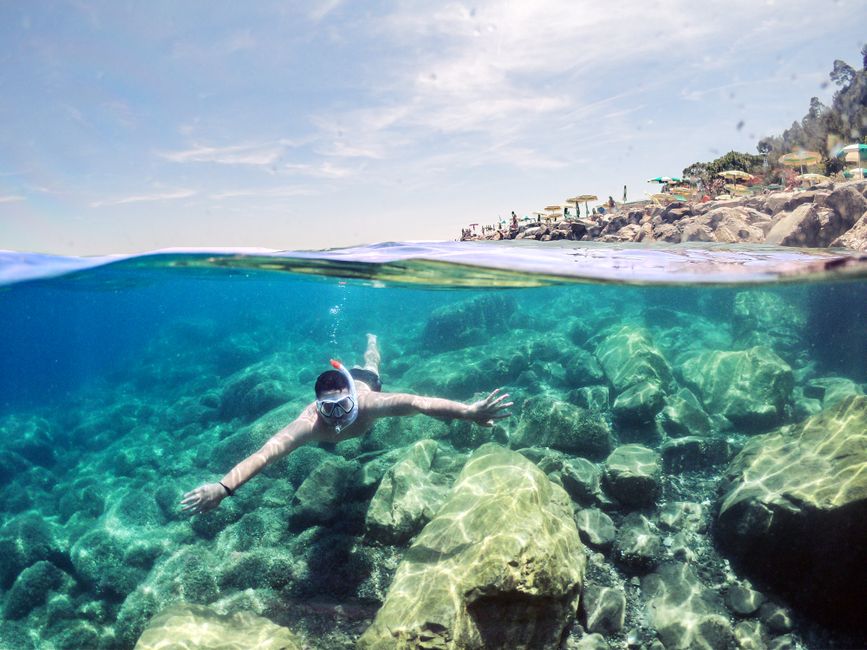
Exploring the Aeolian Islands’ hidden beaches means slowing down, favoring sea travel and walking, and respecting fragile environments. These ten coves and beaches showcase a range of landscapes — pebble shores, volcanic inlets, translucent waters, sculpted cliffs — and often require effort to reach, rewarded by moments of quiet and pure beauty. Before you go, always check sea and weather conditions (storms, sirocco or maestrale winds can make approaches tricky), inquire about volcanic activity if you’re headed to Stromboli or Vulcano, and book boat trips with local operators whenever possible — they know the currents, the best anchorages, and how to keep you safe.
Additional practical recommendations: bring suitable footwear (sturdy sandals, water shoes), plenty of water (the islands can be hotter and drier than expected), a basic first-aid kit, a bag to carry out your trash, and strong sun protection. A mask and snorkel are essential — many hidden beaches are exceptional snorkeling spots. Respect local rules for protected zones (marine parks, nature reserves): minimize your footprint, avoid anchoring on seagrass beds, and don’t collect shells or corals.
Finally, to make the most of these places and support local communities, book excursions, taxi-boats, and equipment from island providers, eat at small trattorie, and buy local products when you can. The Aeolian Islands depend on respectful, sustainable tourism. By following these tips you’ll help preserve the beauty and authenticity of these secret beaches and leave with unforgettable memories of an archipelago where sea and fire meet.