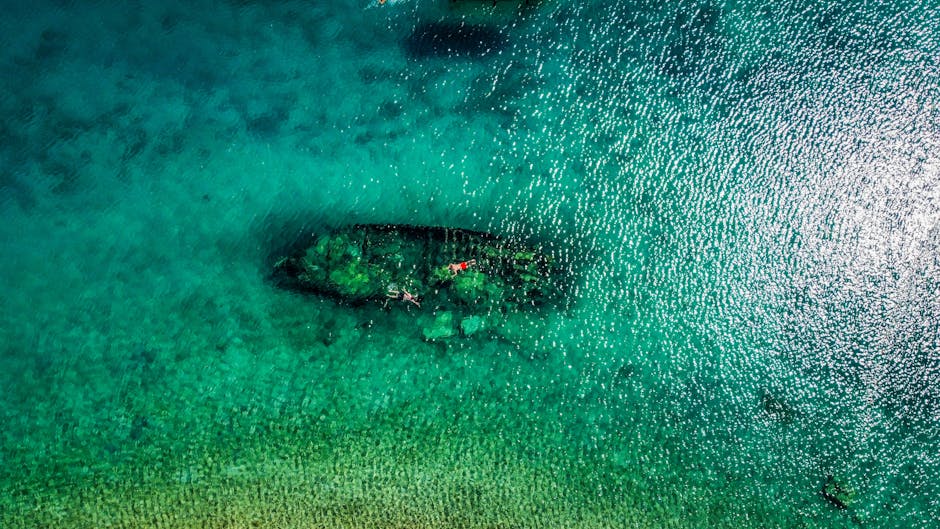






Introduction — Snorkeling around Salina: discovering accessible wrecks
The Aeolian Islands, off the coast of Sicily, are a playground for snorkelers. Among them, Salina stands out with its sculpted coves, crystal‑clear waters and… wrecks you can reach from the surface. This practical guide takes you to the submerged gems around Salina: ship hulls resting on the seabed, remnants of fishing boats, and man‑made structures now serving as marine habitats. Most of these sites lie close to shore and can be explored by responsible, well‑equipped snorkelers.
Before diving into the details, a word of caution: proximity to a wreck doesn’t mean it’s risk‑free. Local currents, algae‑slick rocks, boat traffic and the condition of the wreck itself can all be hazards. This guide gives practical information (addresses, opening hours, indicative prices in euros) to help you plan safe, eco‑conscious outings. It’s aimed at intermediate to advanced snorkelers who are comfortable with finning techniques, managing breath‑holds at sea and respecting marine life.
We cover several areas around Salina: the Rinella coastline, Santa Marina Salina bay, the Lingua sector and the northern slopes near Capo Faro. For each area you’ll find: the full site name, exact address (harbour or meetup point), useful opening hours (office times, seasonality), indicative prices for excursions or gear rental in euros, immersive descriptions of the wrecks and local tips for snorkeling. The listed addresses will also help you contact operators or launch from recognised put‑in spots. Finally, this guide includes ecological advice: don’t touch, don’t remove anything, follow local rules and report any pollution to the harbour authorities.
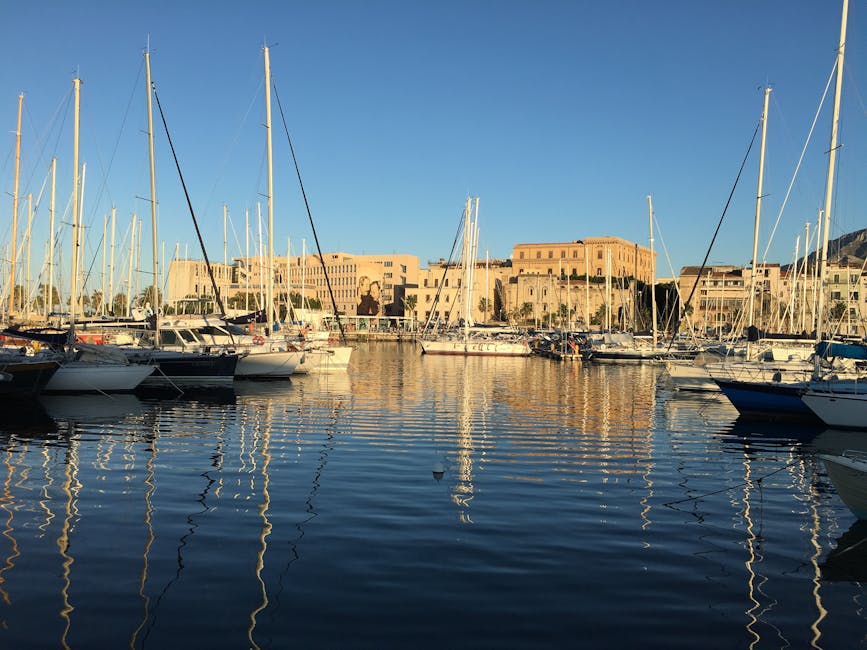
The wrecks described here are mostly accessible from the surface, often between 10 and 18 metres deep, making them ideal for snorkeling‑style exploration. Some are visible from a zodiac or a small glass‑bottom boat; others require a short trip from the harbour. As for gear, bring a quality mask and snorkel, appropriate fins (short fins for agility), a 3 mm wetsuit (for temperate water), a surface marker buoy (SMB), a diving knife, a waterproof torch if you plan to glance into shallow cavities, and—above all—a buddy or a professional guide. Local operators can provide equipment, a guide and a boat from around €40–100 per person depending on duration and season. Trips range from 2 to 5 hours, with morning departures recommended for the best underwater visibility.
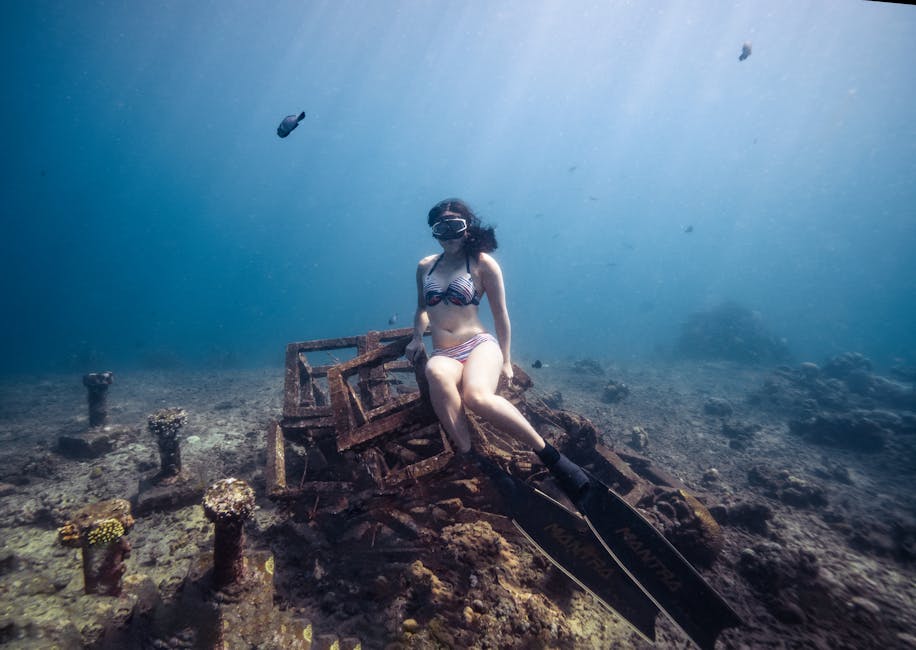
We structured this guide to be both immersive and practical: sensory descriptions of the wrecks (textures, colours, marine life), approachable GPS points (harbour addresses for departures), opening hours and price ranges, and local tips (best times, tides, currents). The goal is that you can plan a snorkel outing around Salina with confidence, discover places full of history and help protect them. Now let’s get into the specific zones, each with a full profile: how to get there, what you’ll see, depths and the precautions to take.
1 — The Rinella sector and the wreck accessible from Marina di Rinella
Location and access: Marina di Rinella (or Porto di Rinella) is the main departure point for coastal wreck trips on Salina’s southern side. Exact address: Marina di Rinella, Via Porto, 98050 Rinella, Salina (ME), Italy. The small harbour is easy to reach from Santa Marina Salina by water taxi or on foot depending on where you stay. The waterfront is lined with cafés and local operators, mostly open from April to October.
Opening hours and services: The harbour is open 24/7 for landings, but tour operators’ offices are usually open from about 08:00 to 19:00 depending on the season (shorter hours in April/November). Example operator: « Salina Snorkel Tours », office at Marina di Rinella, Via Porto 12, 98050 Rinella — open 08:30–18:30 in high season. Indicative prices: full gear rental €15–25 per day, guided trip €45–70 per person (2–3 hours), rigid inflatable boat rental (skipper included) €120–180 for a half day (2026 prices, VAT included).
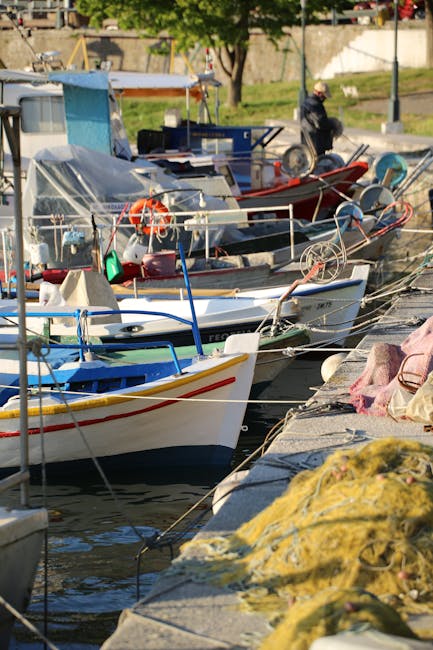
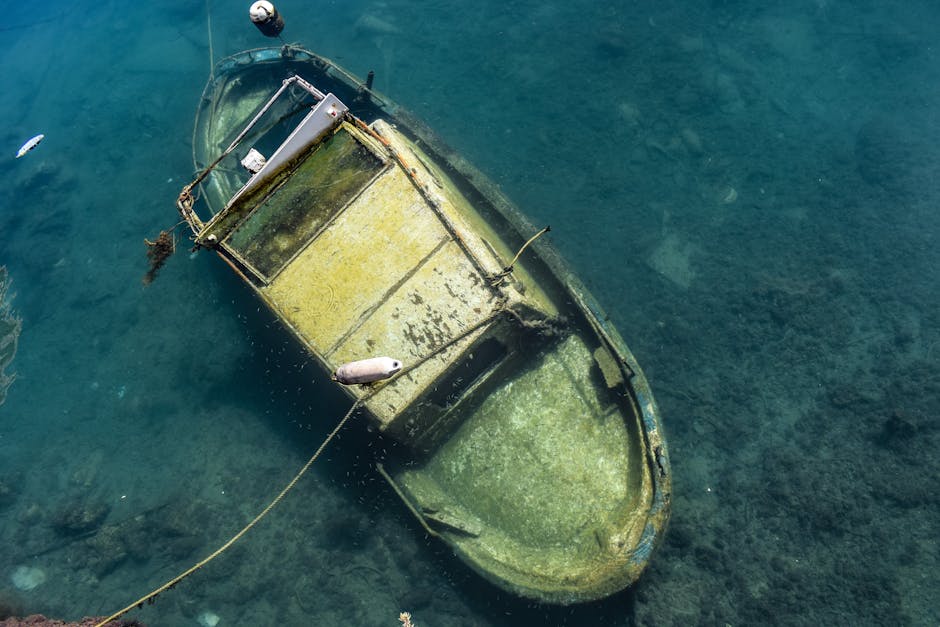
Wreck description: 200–400 metres southwest of Marina di Rinella lies a coastal wreck locally known as the « relitto di Rinella. » It lies in sections between 6 and 14 metres deep, reachable with repeated breath‑holds. The structure is partly exposed depending on swell and covered in a tangle of brown algae and gorgonians. Shoals of bogue, sea bass and damselfish shelter among corroded metal plates and wooden frames. Visibility is usually best in the morning (6–15 metres) when the sea is calm.
Technical notes: maximum snorkelable depth around 12–14 m; wear light protective gloves if you need to steady yourself on the wreck. Watch for sharp edges and frayed cables. Approach from the stern of a zodiac launched at the pier: enter the water calmly, signal your presence with a surface marker buoy and avoid entering sealed compartments or dark cavities (risk of entrapment).
- GPS / meeting point: Marina di Rinella, Via Porto, 98050 Rinella — launch near the south mole.
- Depth: 6–14 metres, suitable for short deep breath‑holds.
- Wildlife: shoals of bogue, damselfish, juvenile groupers, starfish and sponges.
- Price: guided trip €45–70 / person; mask+fins rental €10–20 / day.
- Best time: May–October, morning departures 07:30–10:30 for the best visibility.
Local tips: ask the skipper to approach with the wind at your back to avoid prop wash during entry; keep a safe distance if local fishermen are in the area. Respect marine signage and tell the captain if you plan to linger—fishing boats can come and go frequently in the afternoon.
2 — Santa Marina Salina Bay and the small southern anchorage wreck
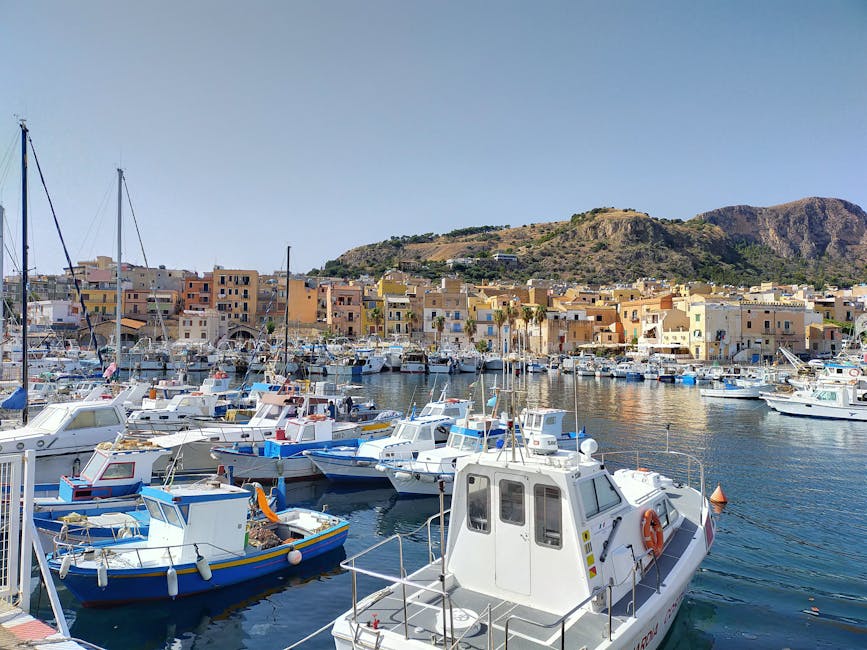
Location and access: Santa Marina Salina is the island’s commercial hub, with a busy harbour and several departure points for excursions. Exact harbour address: Porto di Santa Marina Salina, Lungomare E. Rocco, 98050 Santa Marina Salina (ME), Italy. The central quay offers regular connections to Lipari, Malfa and Milazzo. Ticket offices and agencies open early and close late in season.
Hours and prices: local boat ticket offices are often open 07:00–20:00 in high season; example operator « Aeolian Dive & Snorkel », Lungomare E. Rocco 2, 98050 Santa Marina Salina — open 08:00–19:30. Guided snorkeling trips around the bay wrecks: €50–85 / person (3–4 hours); full gear rental €15–25 / day. Independent visitors should note Santa Marina’s anchorage fees for boats (€10–30 depending on vessel size and season) payable at the harbour office (ufficio portuale).
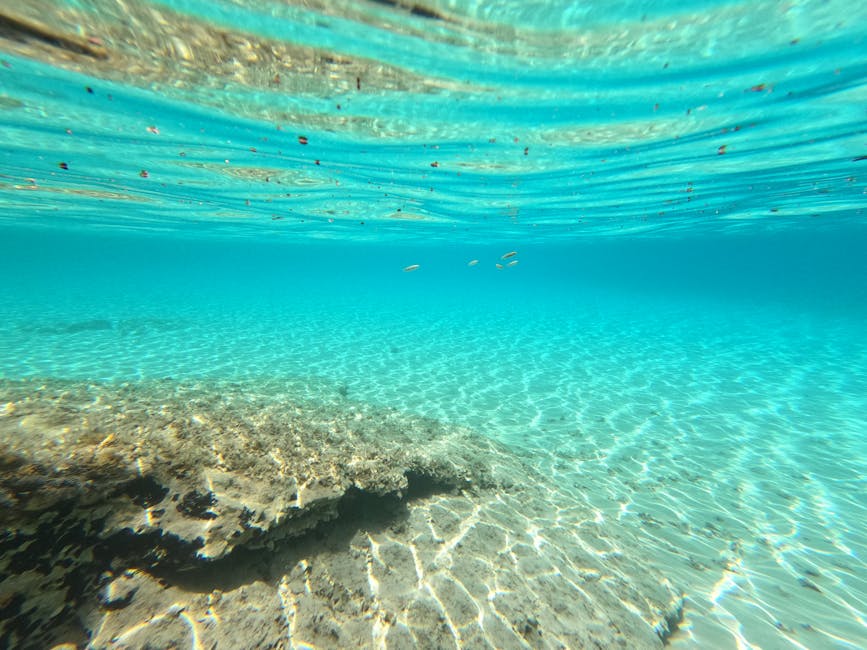
Immersive description: southeast of Santa Marina bay lies a small wooden hull wreck, tilted on a seabed of sand and seagrass between 4 and 10 metres. It’s easily reached with a short boat hop or by a long swim from shore for the stronger swimmers. Mornings often reveal deep blue water and visibility exceeding 15 metres in calm conditions. The timber carcass, encrusted with bryozoans and calcified algae, is a marine garden: nudibranchs, wrasses and small scorpionfish make their home there.
Practical advice: ideal for beginner to intermediate snorkelers thanks to its shallow depth. Best times are early morning (08:00–11:00) and late afternoon when sunlight creates dramatic underwater beams. Be mindful of protected seagrass beds—never step on Posidonia meadows, they’re vital to the ecosystem and protected under Italian maritime law.
- Departure point: Porto di Santa Marina Salina, Lungomare E. Rocco, 98050 Santa Marina Salina (ME).
- Depth: 4–10 metres, perfect for recreational breath‑holds.
- Wildlife: nudibranchs, wrasses, cuttlefish, and shoals of bogue.
- Price: guided trip €50–85; gear rental €15–25 / day.
- Tip: don’t touch sponges or coral formations; avoid using a strong flash to minimise stress on animals.
Local tips: Santa Marina’s fishermen are often friendly and willing to point you to wreck locations. Ask about tide and wind: an east wind can cause swell from the northern coast, so southern spots are typically more sheltered in the morning. For parking, use public lots along the Lungomare; central streets are narrow and paid in summer (check signs). If you plan an independent trip, inform the harbour office of your intended route and estimated return time—this is common sense and often required.
3 — Lingua, the sandbank and the coastal wreck near the Natural Pool
Location and access: Lingua is a tiny settlement known for its Natural Pool and distinctive black sand, on Salina’s southeast coast. Useful meetup address: Piazza San Giuseppe, 98050 Lingua, Salina (ME), Italy. From here small boats regularly run to nearby reefs and a shallow coastal wreck that’s easy to observe while snorkeling.
Hours and rates: Lingua’s Natural Pool is free to access (no ticket), but boat trips departing from Lingua are commonly offered by « Lingua Sea Adventures », based at Piazza San Giuseppe 1 — hours 09:00–18:00 in season. Prices: snorkeling trip €35–60 / person (2 hours); mask and fins rental €10–20 / day. Private group trips or kayak hires range €60–150 depending on duration and group size.
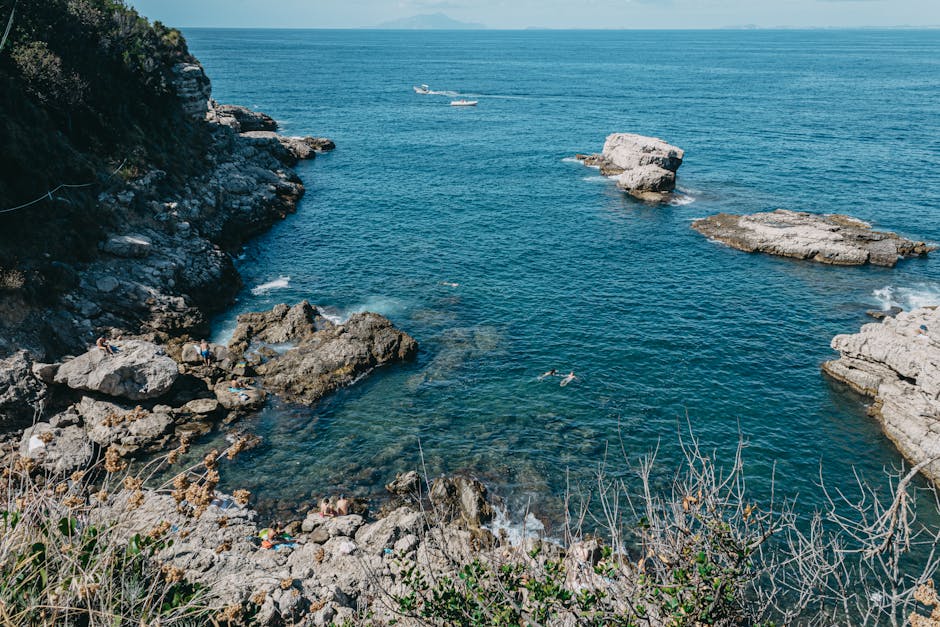
Wreck and environment description: 150–300 metres offshore from Lingua lies a small, broken coastal wreck covered in marine life between 3 and 12 metres deep. It sits among volcanic rock outcrops and Posidonia patches, creating a striking contrast between black basalt and bright blue water. Surface swimmers often spot the dark outline of the structure; freedivers find small caves and crevices teeming with blennies, gobies and occasionally a curious octopus.
- Meeting point: Piazza San Giuseppe, 98050 Lingua, Salina (ME).
- Depth: 3–12 metres, suitable for families with experienced young snorkelers.
- Wildlife: octopus, blennies, gobies, starfish and nudibranchs.
- Price: trips €35–60; gear rental €10–20.
- Best time: June–September for warmer water and peak visibility.
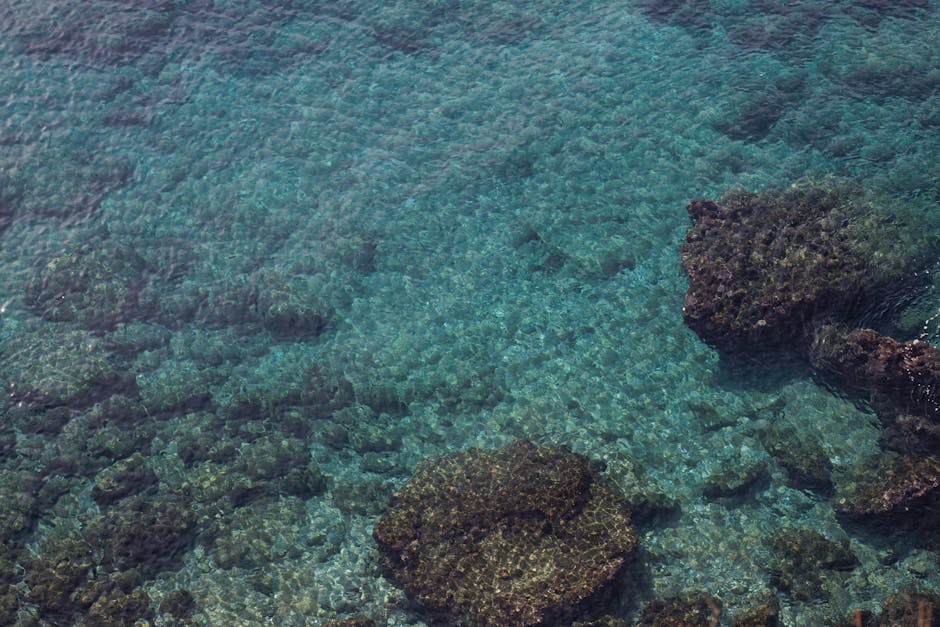
Practical tips: Lingua’s natural pool can get busy; choose early departures for solitude and the best visibility. The seabed has slippery rocks—wear neoprene booties when moving from the beach. If you rent a kayak, bring a mooring line or buoy to secure yourself after a few breath‑hold cycles. Locals also advise avoiding the hottest hours to prevent fatigue during surface recovery.
4 — Capo Faro and the northern slopes: fringe wrecks and deep snorkeling
Location and access: Capo Faro is Salina’s northeast point, where waters open out to deeper seas. Reference point and address: Faro di Capo Faro, Strada Provinciale 163, 98050 Salina (ME), Italy (lighthouse and basic parking). From the cape the sea deepens and you’ll find wrecks further offshore, reachable by boat from Rinella or Santa Marina harbours.
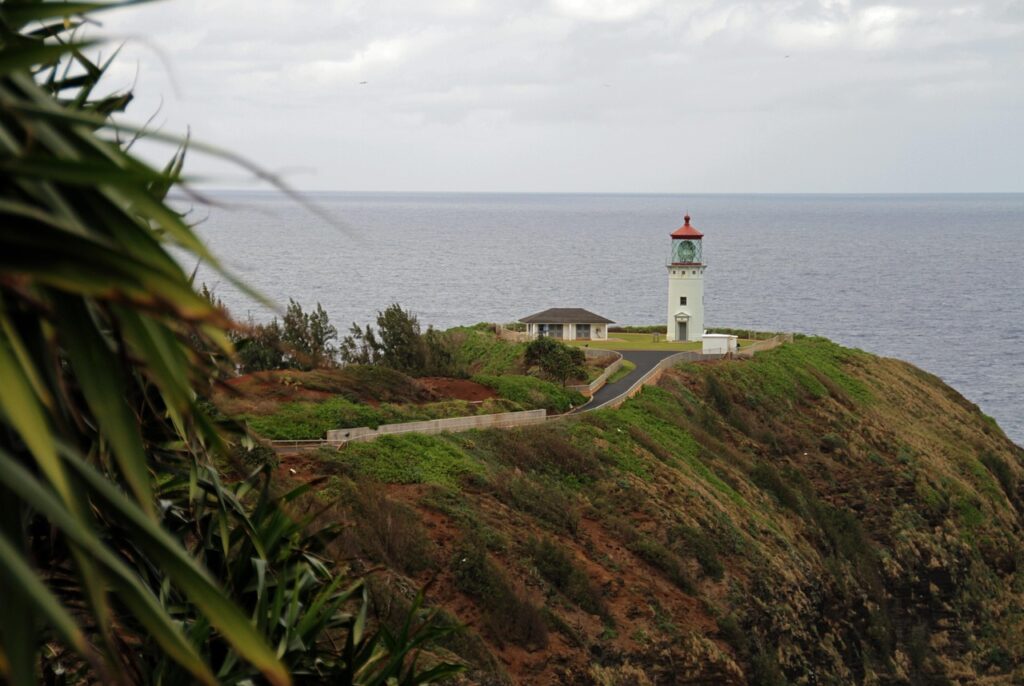
Hours and operators: departures to Capo Faro are usually organised in the morning (07:30–09:30) to make the most of calm seas. Typical operator: « North Salina Boats », Via Faro, 98050 Salina — open 08:00–18:00; half‑day trip €75–120 / person (skipper and gear included). Launches are often from a semi‑rigid; rental costs vary with duration and sometimes include a marine biology guide for an extra €20–40.
Immersive description: wrecks near Capo Faro are darker and deeper, often partially eroded by swell and currents. Carcasses dive between 10 and 18 metres, frequently adjacent to steep walls where hard corals, gorgonians and feather duster worms create vertical gardens. Snorkeling here feels like entering an underwater forest: you descend gently along a rocky slope, pass an overturned bow and find crevices sheltering conger eels, morays and occasional adult groupers. The biodiversity is richer than in sheltered bays, but deep snorkeling here demands strong depth control.
- Departure point: Marina di Rinella or Porto di Santa Marina Salina (see coordinates above).
- Depth: 10–18 metres; suited to experienced freedivers.
- Wildlife: morays, conger eels, groupers, gorgonians, black coral.
- Price: half‑day trip €75–120; naturalist guide +€20–40.
- Tip: don’t stay too long at depth; do short breath‑hold series with extended surface recovery.
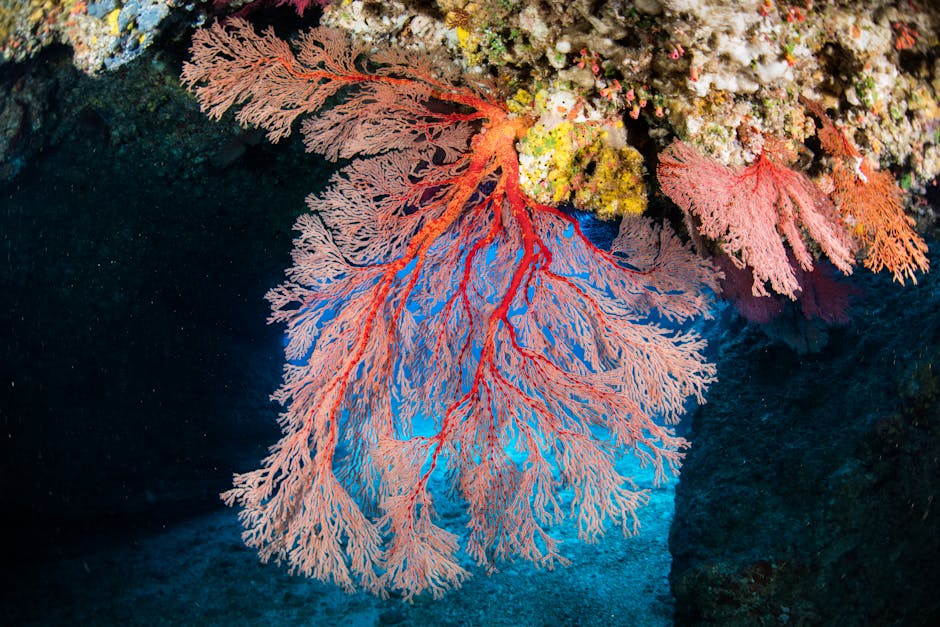
Precautions: Capo Faro is exposed to northeasterly winds and the mistral; in rough seas access can be hazardous. Always go out with a powered boat, wear a surface buoy and whistle, and don’t attempt these sites alone unless you have advanced freediving skills. Local guides know the spots and danger points (reverse currents, sudden drop‑offs). Also be aware that marine regulations may restrict collecting items in some zones—follow posted signs and harbour authority instructions.
Conclusion — Explore, respect and help keep Salina’s submerged heritage alive
The snorkelable wrecks around Salina form a fascinating catalogue of human stories and natural rebirth. Whether it’s the fragmented hull off Rinella, the timber carcass in Santa Marina bay, the friendly wreck near Lingua or the deeper structures off Capo Faro, each site offers a unique sensory experience: shafts of light, corroded textures and often abundant marine life. This guide gave you the practical elements to plan outings: exact addresses (Marina di Rinella, Porto di Santa Marina Salina, Piazza San Giuseppe in Lingua, Faro di Capo Faro), opening times and price ranges in euros for gear rental and trips, plus practical tips and safety measures.
Remember these places are fragile. Best practice is to observe without touching, don’t move objects, and use a surface marker buoy to signal your presence to boats. Always inform the harbour office of your departure and estimated return time, go out with a buddy or a professional guide, and avoid exploring in rough seas. Local operators — « Salina Snorkel Tours », « Aeolian Dive & Snorkel », « Lingua Sea Adventures » and « North Salina Boats » — not only offer safer supervision but also naturalist insights that enhance the experience by helping you identify species and habitats.
As a responsible traveller, consider supporting local businesses that help maintain sites, join cleanup efforts when possible and report any hazardous objects or pollution to local authorities. Salina’s wrecks tell stories; by exploring them with respect you help preserve a valuable natural and historical heritage. Check your mask, test your fins, plan an early‑morning departure for calm seas and optimal underwater light, and set off to discover the hidden treasures that lie, silent and alive, beneath the clear waters of the Aeolian Islands.