




Introduction — Express Transfers: Hydrofoils vs Ferries in the Aeolian Islands
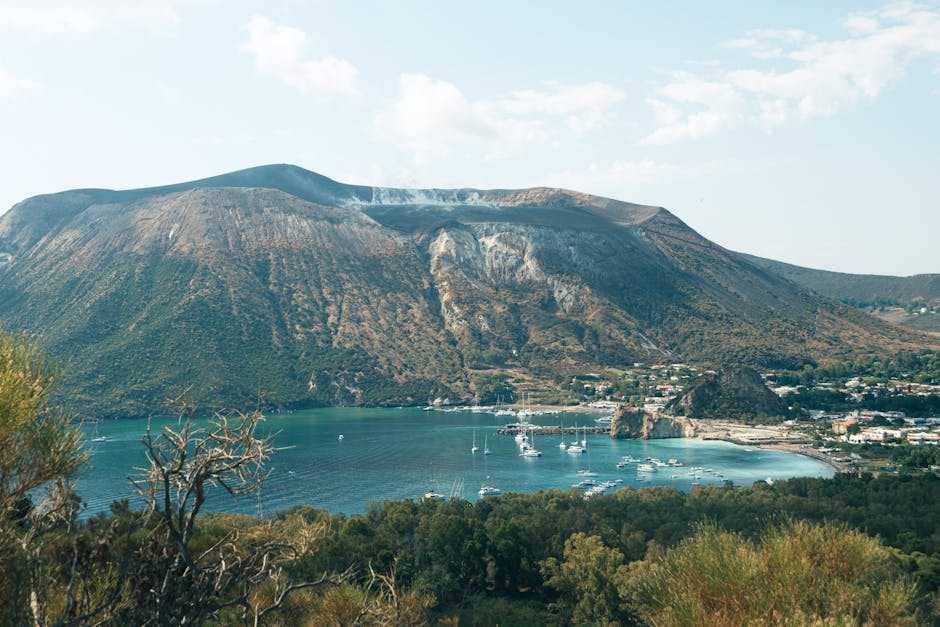
Getting to the Aeolian Islands (Isole Eolie), a volcanic archipelago off Sicily in the Tyrrhenian Sea, is a must for lovers of sea views, active volcanoes and sun-bleached villages. The main gateways from Sicily are the ports of Milazzo, Messina and Reggio Calabria, but most regular services depart from Porto di Milazzo, Piazza San Papino, 98057 Milazzo ME, Italia to Lipari, Vulcano, Salina, Panarea and Stromboli. With so many options, the same question comes up again and again: do you choose the speed and agility of a hydrofoil (fast ferry / hydrofoil) or the comfort and steadiness of a traditional ferry?
This comparison guide aims to help you choose by laying out the practical, financial and sensory differences between hydrofoils and ferries: crossing times, fares in euros, typical timetables in high and low season, comfort levels, luggage and accessibility rules, and local tips for buying tickets and optimizing island transfers. We’ll also cover specifics on the main operators (Liberty Lines, Siremar / Ustica Lines, N.G.I. / Navigazione Generale Italiana), exact boarding piers and useful addresses like ticket offices.
To make this guide immediately actionable, you’ll find concrete timetable examples (morning, afternoon, evening), price ranges in euros for the most popular routes (Milazzo ↔ Lipari, Milazzo ↔ Vulcano, Milazzo ↔ Stromboli), and immersive descriptions: picture the chop of the wake, the smell of salt at the bow, the cliffs of Lipari from the deck, or Stromboli’s smoking profile revealed by the ferry at dusk. Practical recommendations include where to buy tickets: official counters, port machines, local agencies such as Liberty Lines – Biglietteria Milazzo, Piazza San Papino 13, 98057 Milazzo ME, and precautions to take in rough seas.
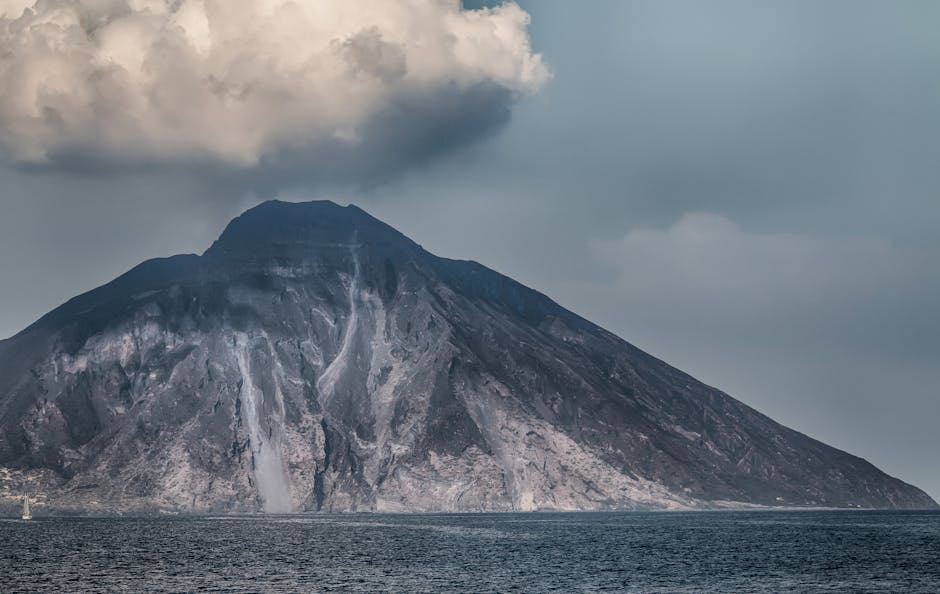
Finally, this guide isn’t just a technical comparison table: it includes tips from seasoned travelers and local hacks — how to save time in high season, where to leave your bags in Milazzo, which crossings to favor in the morning to get a full day on an island, and how weather affects services. Whether you’re planning a quick round trip to Vulcano or an overnight crossing to Stromboli, this guide will help you pick the best balance between speed and serenity.
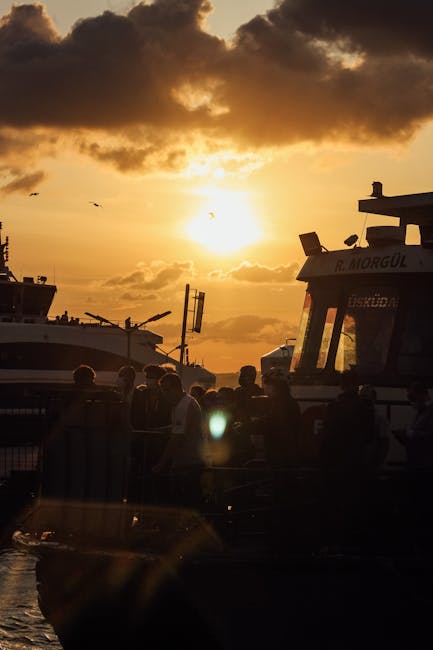
1) Speed & Frequency: the technical edge of hydrofoils
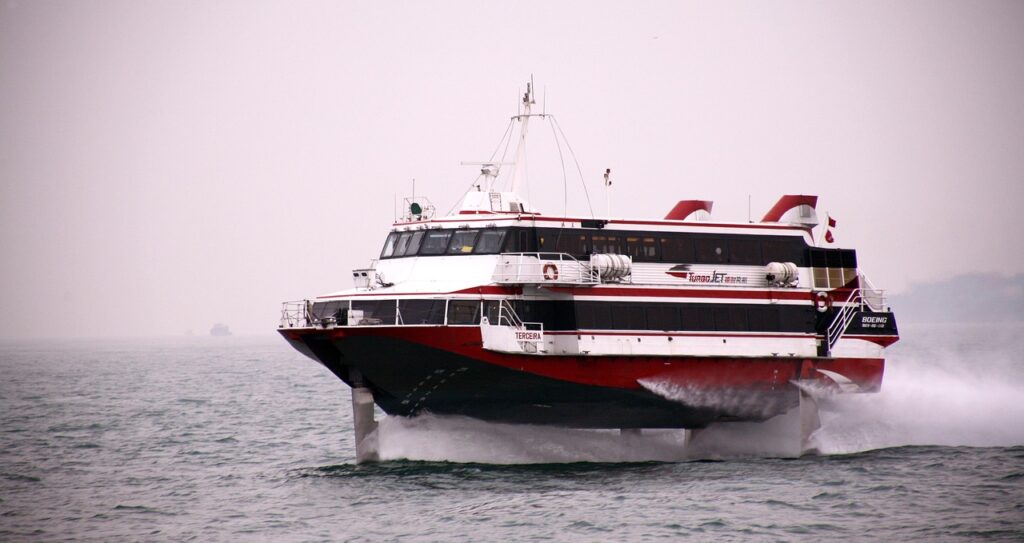
Hydrofoils — often marketed as fast ferries or hydrofoils — are built to cut crossing times between mainland Sicily and the Aeolian Islands. For example, the Milazzo → Lipari hydrofoil operated by Liberty Lines typically takes 25–35 minutes, compared with 45–70 minutes on a conventional ferry. In high season (May to September) you can easily find 6–10 daily departures between Milazzo and Lipari, with first departures from around 06:30 and last ones around 20:00–21:00 depending on the day.
Indicative fares (2026 season for example):
- Milazzo → Lipari (hydrofoil): about €16.00 – €20.50 one-way (adult standard)
- Milazzo → Vulcano (hydrofoil): about €15.00 – €19.00 one-way
- Milazzo → Stromboli (hydrofoil, direct): about €25.00 – €35.00 one-way
These fares vary by operator, time of day (very early or late departures can be pricier) and season.
In practice, the main reason to choose a hydrofoil is time savings: a day trip from Milazzo to Lipari and Vulcano is feasible with enough time to walk, eat and return. Hydrofoils are also favored by business travelers or anyone short on time because frequent rotations give great scheduling flexibility. The trade-off is that in rough seas a hydrofoil can feel bumpier despite its speed — it’s more sensitive to high waves due to its hull height and foil geometry.
Practical points: Liberty Lines ticket offices are at specific addresses: Liberty Lines – Biglietteria Milazzo, Piazza San Papino 13, 98057 Milazzo ME, Italia (usually open 07:00–20:00 in high season). It’s recommended to arrive at least 30 minutes before departure for ticket validation and boarding, or 45 minutes if you have bulky luggage. Credit cards are accepted at counters and ticket machines; however, on some small island agencies (e.g. Panarea) cash may be preferable. For families, note that many hydrofoils don’t have very spacious outdoor decks — aim for upper deck seats when available for the best panoramic views.
2) Comfort, capacity & accessibility: the strengths of traditional ferries
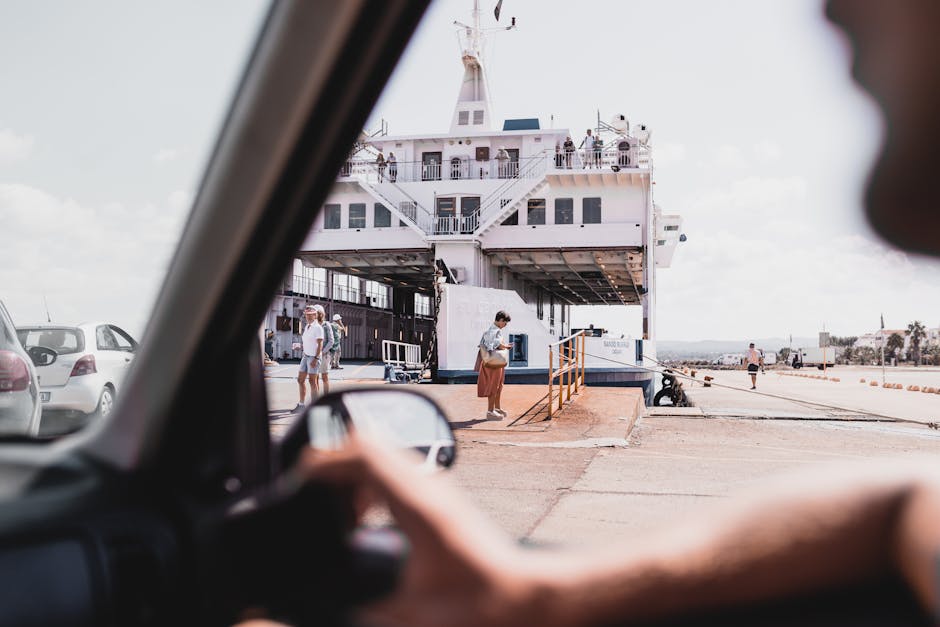
Conventional ferries (e.g. Siremar / Ustica Lines, N.G.I.) remain the more robust solution for carrying larger numbers of passengers, vehicles (on some routes) and bulky luggage. For travelers with strollers, wheelchairs or bicycles, the ferry often provides easier access: ramps, wider decks, covered areas, sometimes reclining seats and small lounges. Take the example of the Milazzo → Lipari Siremar ferry: typical duration 50–70 minutes, departures spaced but regular, and often cheaper than the hydrofoil — around €10.00 – €14.00 one-way (foot passenger).
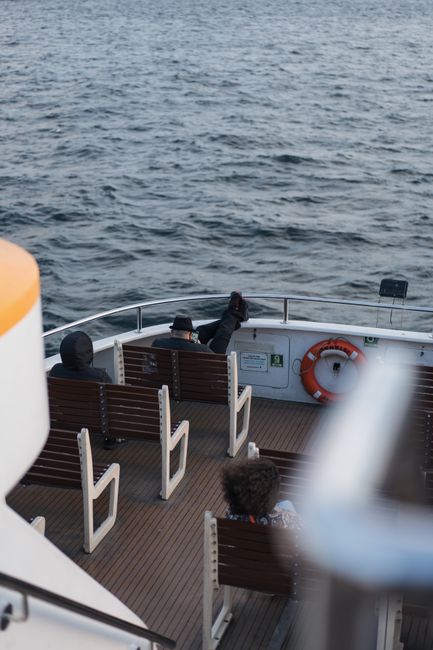
In high season, Siremar / Ustica Lines runs several rotations per day from Porto di Milazzo, Piazza San Papino, 98057 Milazzo ME, with first departures around 06:00–07:00 and last departures near 19:00 depending on the island served. On overnight crossings (sometimes offered in summer for Stromboli and Panarea), the ferry may provide basic cabins or long-distance seats, handy for travelers who want to limit fatigue. Ferries also handle rough seas better: their mass and deeper draft reduce sudden rolls and pitches, making them the preferred choice for those prone to seasickness.
Prices and booking examples:
- Milazzo → Lipari (Siremar ferry): €10.00 – €14.00 one-way
- Milazzo → Salina (ferry): €14.00 – €20.00 one-way
- Milazzo → Stromboli (overnight ferry): €20.00 – €40.00 depending on cabin/seating
Young children often get discounts (0–3 free, 4–12 reduced fare around 50%). Pets are accepted onboard under certain rules: muzzle and carrier or designated area, with a variable supplement (around €3.00 – €7.00).
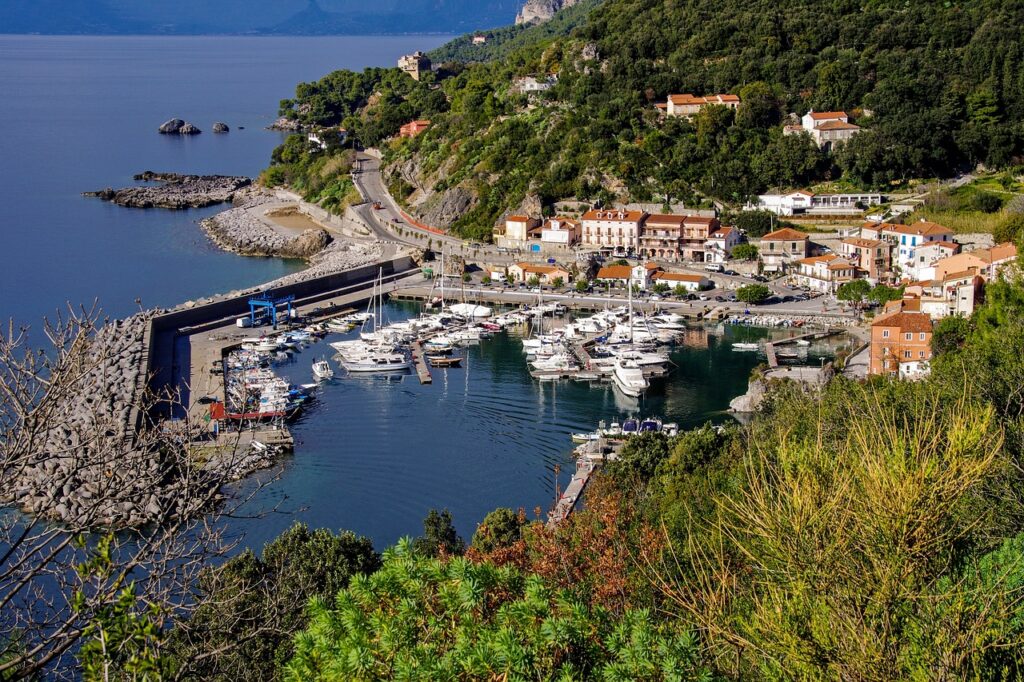
Embarkation piers in Lipari are located near Porto di S. Pietro, Via Garibaldi, 98055 Lipari ME — a handy reference for finding the local ticket office and parking. Another useful point: on Vulcano the main landing is at Porto di Levante, Via P. L. Mazzella, 98050 Vulcano LP, Sicilia (note some operators use Levante while others dock at the main port). For maximum comfort, favor morning or late-afternoon crossings: less direct sun on deck and often gentler motion if there is swell.
3) Costs, bookings & seasonality: planning your budget and timing
When comparing hydrofoils and ferries, cost is often decisive. Hydrofoils are generally pricier per crossing because of the technology and speed; however, if you need to chain several connections in one day (e.g. Milazzo → Lipari → Panarea → Stromboli), the time saved can justify the extra expense. Here’s a consolidated estimate useful for budgeting a 3-day trip: round-trip Milazzo–Lipari (hydrofoil) €32–€41 + local excursions (Vulcano, Salina) €15–€25 each → plan roughly €80–€120 per person for inter-island transport if you prioritize speed.
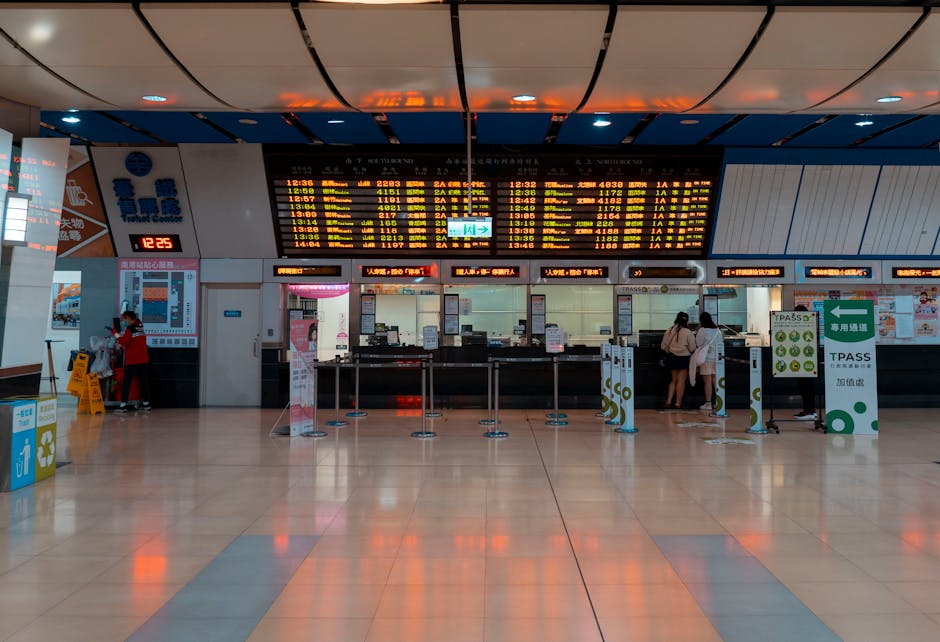
Bookings: in high season it’s strongly recommended to book ahead, especially for routes to Panarea and Stromboli which can get busy. Official booking channels:
- Liberty Lines — website and ticket offices: Liberty Lines – Biglietteria Milazzo, Piazza San Papino 13, 98057 Milazzo ME (hours 07:00–20:00 high season).
- Siremar / Ustica Lines — online sales and sales points in Milazzo and Lipari (hours vary, generally 08:00–19:00).
- N.G.I. — serves certain routes and offers combined tickets; sales point: Porto di Milazzo, central ticket office.
Buying on-site vs online: booking online guarantees your spot but can add a booking fee (about €1–€3). Buying at the counter avoids those fees but risks sold-out crossings on busy days.

Seasonality: high season (June–September) means dense timetables, but prices can rise by 10–30%. Off-season (October–May), some direct routes are reduced or suspended; ferries remain the most reliable option in poor weather because they often continue operating when hydrofoils are halted for safety. If you travel in April, May or October, double-check current schedules and allow extra time for potential delays or cancellations.
4) The travel experience & local recommendations: which to pick depending on your trip?
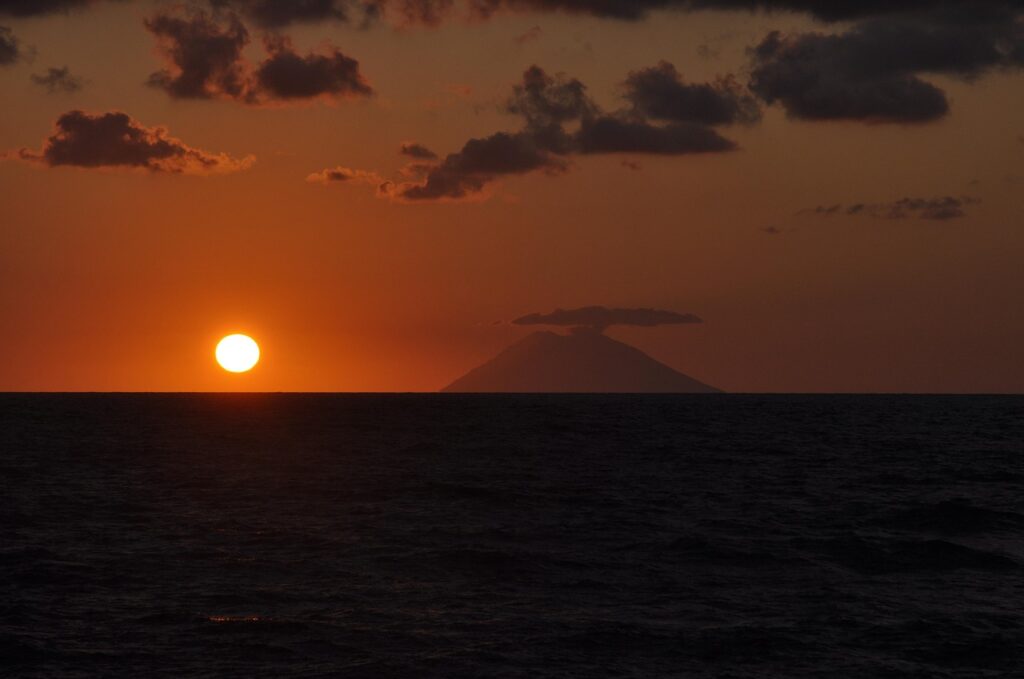
Beyond numbers and timetables, the choice between hydrofoil and ferry shapes the travel experience. Hydrofoils deliver a sense of speed and immersion — wind, salt spray and panoramic views are intense from the deck. For photographers and landscape lovers, the upper outdoor seats on a hydrofoil are perfect for capturing volcanic profiles and coves. A practical example: the Milazzo → Stromboli hydrofoil at sunset reveals Stromboli’s smoking silhouette — a unique moment but one best for travelers who can tolerate a potentially bumpier crossing.
Ferries, by contrast, offer a more relaxed and social experience: lounges, a bar/cafeteria onboard, and more room to move around. Families and anyone seeking a less stressful crossing will prefer the ferry. For example, a ferry trip from Milazzo to Salina lets you admire terraces of olives and vines while sipping an espresso at the ship’s bar without worrying about heavy jolts.
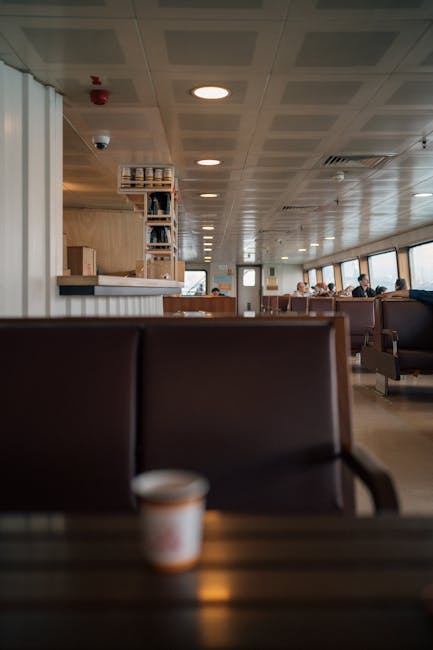
Practical local tips:
- Arrive early at the port: during July–August use Park & Ride or a taxi to avoid searching for parking. In Milazzo, recommended parking is Parcheggio Stazione Marittima, Via Vittorio Emanuele III.
- Paper tickets vs mobile: always keep a paper copy if possible — some operators require physical validation at the counter.
- Luggage: check baggage limits; hydrofoils may charge for or refuse oversized items.
- Weather: in strong winds (scirocco or libeccio) or rough seas, favor the ferry; maritime authorities often post suspensions on operators’ official pages.
- Volcano evenings: to see Stromboli’s eruptions lit up from the sea, book a boat tour from Marina Corta, Piazza Marina, 98050 Stromboli ME or take a late crossing — ferries often arrive too late for comfortable viewing.
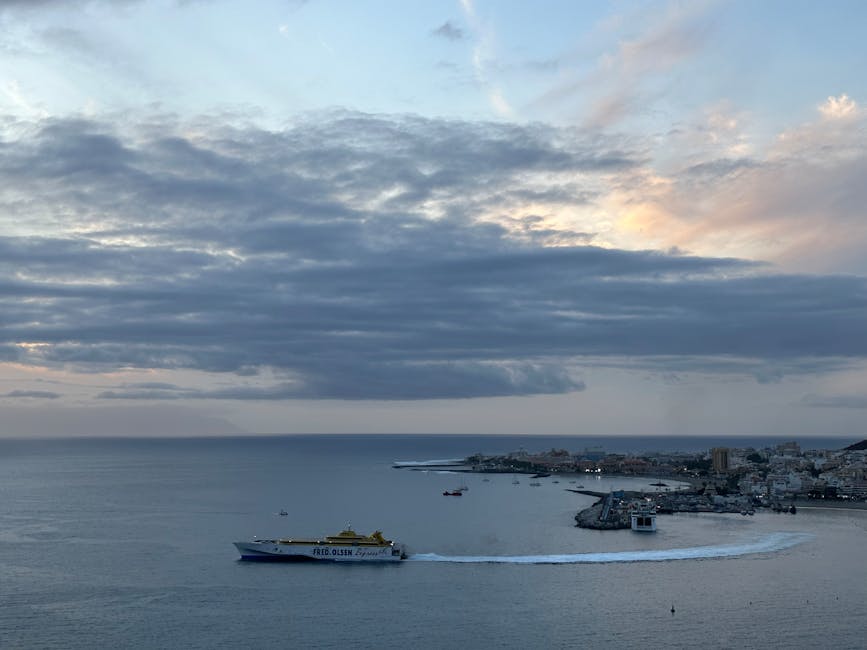
Finally, think about sustainability: several operators are implementing emission-reduction measures (optimized hulls, cleaner fuels); favoring companies transparent about their practices can be part of your decision. If your stay includes short, frequent hops (nearby islands like Lipari–Vulcano), the hydrofoil may be more convenient. If you have lots of luggage, need to bring a car, are prone to seasickness or travel off-season, pick the ferry.
Conclusion — Which transfer is right for your Aeolian Islands trip?
The choice between hydrofoil and ferry comes down to priorities: speed vs comfort, budget vs flexibility, and season. If your goal is to maximize time and hop between islands (for example to visit Lipari, Vulcano and Stromboli in a few days), the hydrofoil is often the best bet despite a higher fare — look for early departures around 06:30–08:00 and the many Liberty Lines rotations from Piazza San Papino 13, 98057 Milazzo. If you prefer a gentler crossing, more space for luggage, or you’re traveling off-season, the traditional ferry (Siremar / Ustica Lines / N.G.I.) is more reliable and economical.
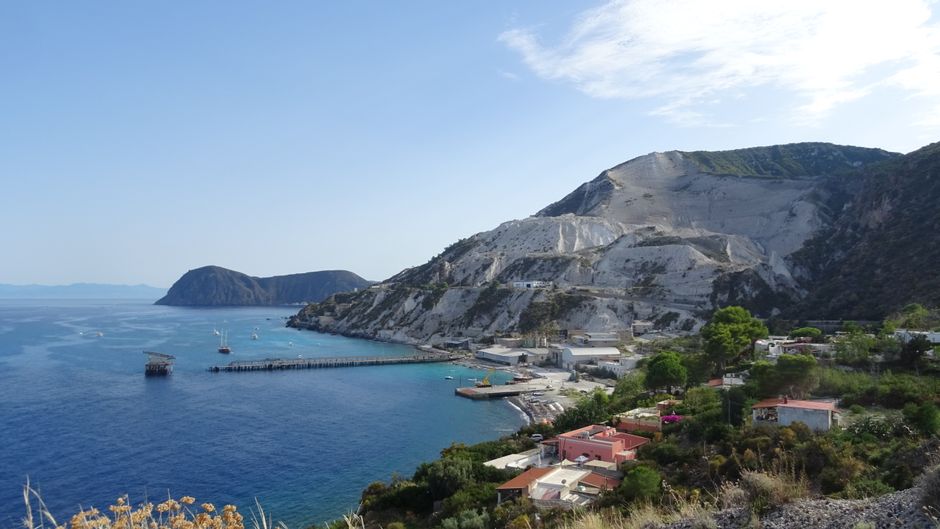
Practically speaking, a few simple rules will help you make the most of your transfer: book ahead in high season, arrive at the port 30–45 minutes before departure, check updated schedules on operators’ official sites and prepare alternatives in case of weather cancellations. For families and people with reduced mobility, target ferries for their accessibility; for photographers and time-pressed travelers, reserve outdoor seats on a hydrofoil. Remember that the crossing itself is part of the experience: whether it’s the sharp wake of a hydrofoil or the reassuring slow pace of a ferry, each trip brings you closer to the Aeolian Islands’ unique scenery — black sand coves, volcanic cones and perched villages revealed in step with the waves.
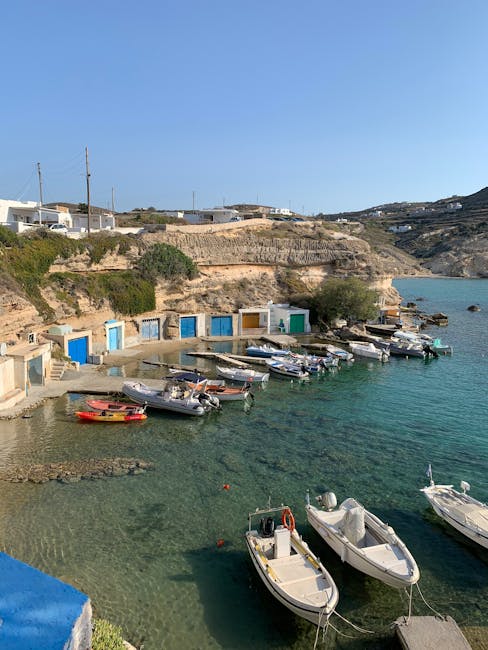
Quick summary: if time is limited → hydrofoil (Milazzo–Lipari ≈ €16–€20, 25–35 min); if comfort and budget matter → ferry (Milazzo–Lipari ≈ €10–€14, 50–70 min); if seas are rough or it’s off-season → ferry. With these points in mind you can plan your transfers confidently and fully enjoy the special charms of the Aeolian Islands.