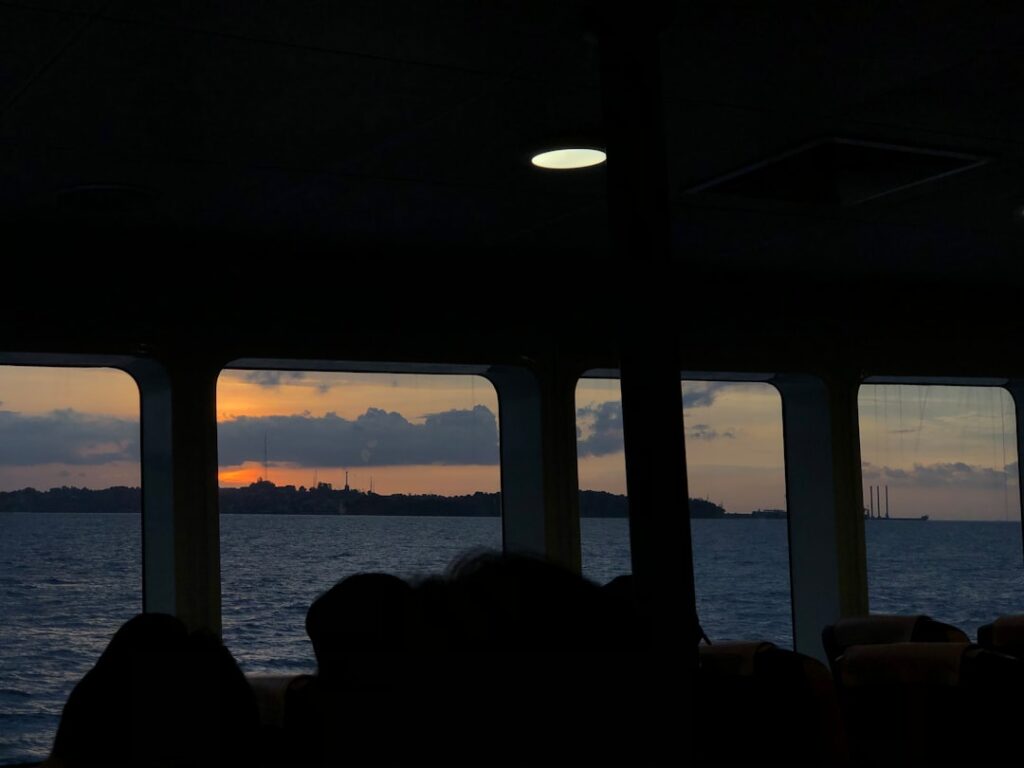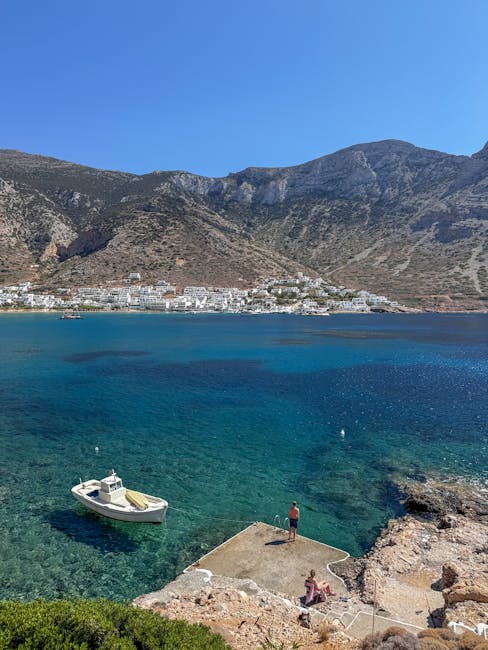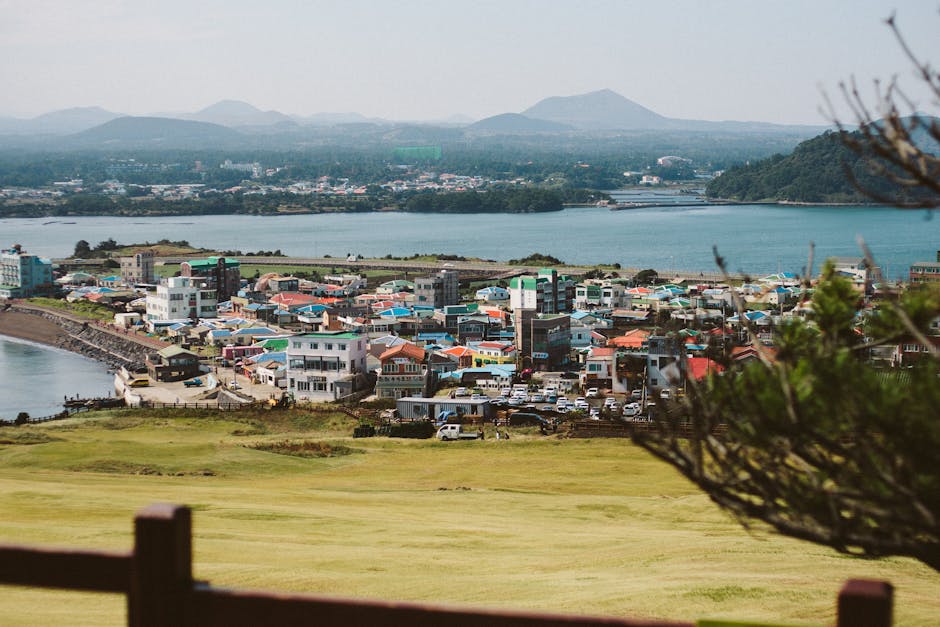






Introduction: why choosing the right ferry matters in the Aeolian Islands (Isole Eolie)
The Aeolian Islands, off the northeast coast of Sicily in the Tyrrhenian Sea, draw travelers every year for their active volcanoes, crystal-clear coves and a distinct island way of life. For many visitors, the first real contact with the archipelago happens on the docks: picking the right ferry at the right time with the right operator can turn a travel day into a glowing memory—or into a long, wet, uncomfortable wait. This guide aims to reveal the local operators’ secrets, the tips only regulars and seafarers usually share, so you can move confidently between Milazzo, Lipari, Salina, Vulcano, Stromboli, Panarea and the other islands.
Traveling around the Aeolian Islands means juggling different kinds of vessels: hydrofoils (fast ferries), conventional ferries (with or without vehicle transport), and small local boats for transfers to coves or secondary ports. Each option has pros and cons: hydrofoils are quick but sensitive to rough seas, car ferries are more stable and carry vehicles, while small local boats are flexible but run on looser schedules. Understanding timetables, dock locations, prices in euros and booking tricks will spare you unpleasant surprises during peak summer when lines get long.
In this detailed guide you’ll find exact addresses for the main embarkation points, indicative up-to-date fare information (in euros), typical schedules and practical tips for traveling light, taking a car, choosing the right company depending on weather and route, and finding lesser-known services (left-luggage, shuttle buses, secondary jetties). You’ll also learn how to read local signs, spot the official ticket offices (biglietteria) and tourist info desks, and which mistakes to avoid—for example confusing the hydrofoil terminal with the cargo ferry terminal in Milazzo, or missing the last connection after a late hike on Stromboli.
This guide is written for independent travelers, families, drivers and hikers: it gives concrete advice to save time and money, ensure safety at sea, and make the most of the Aeolian experience. Expect practical recommendations, vivid descriptions of docks and boats, and local tips to get the best ticket prices. Pack your bags, note down addresses and schedules, and let this guide help you pick the ferry that fits your needs and the spirit of the islands.
1. Main ports and piers: addresses, access and atmosphere
Most travelers head to the Aeolian Islands from Milazzo, though some routes also operate from Capo d’Orlando, Messina or Catania for special connections. Here are the main docks with exact addresses, descriptions and access tips.
-
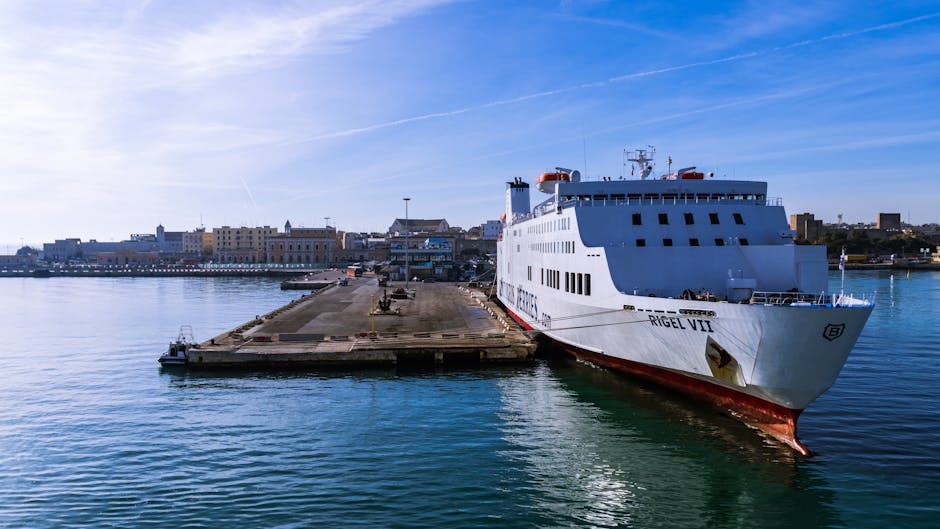
Porto di Milazzo — Piazza Roma, 98057 Milazzo ME, Italia. The busy maritime terminal sits on the edge of the old town. Atmosphere: families in line, rows of ticket offices and port cafés. Access: car (airport-style parking and blue zones), train (Milazzo station 1.2 km away) and city buses. Tip: arrive 45 minutes before departure in high season to find the right ticket window.
-
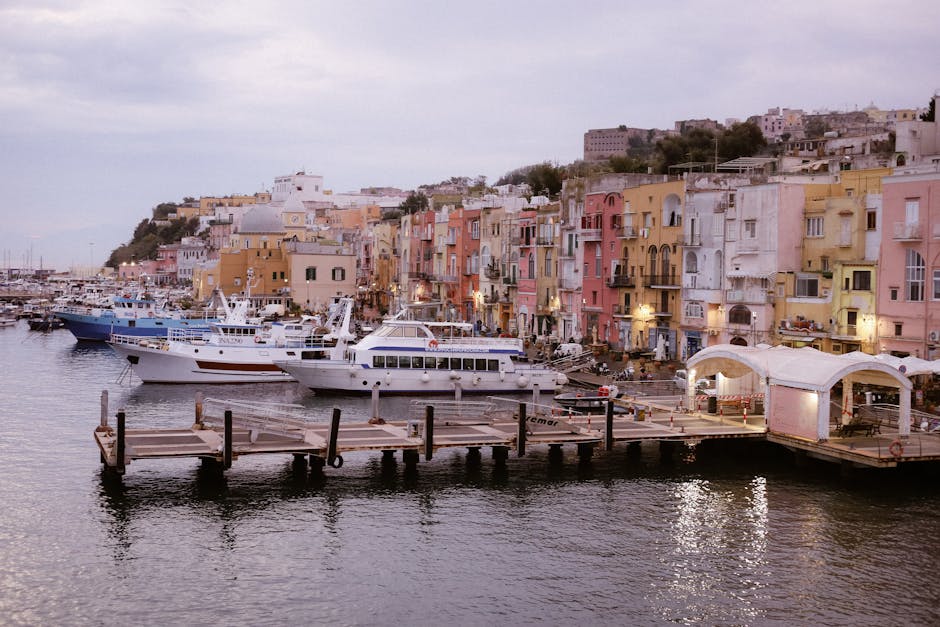
Porto di Lipari (Porto del Comune) — Piazza Ugo di Sant’Agata, 98055 Lipari ME, Italia. The beating heart of Lipari: tight quays where conventional ferries and hydrofoils alternate. Atmosphere: fishermen, water taxis, and shops selling local products. For tickets, look for the “biglietteria” near the pier. If you arrive late, it’s better to disembark at the main pier rather than at the small industrial landing.
-
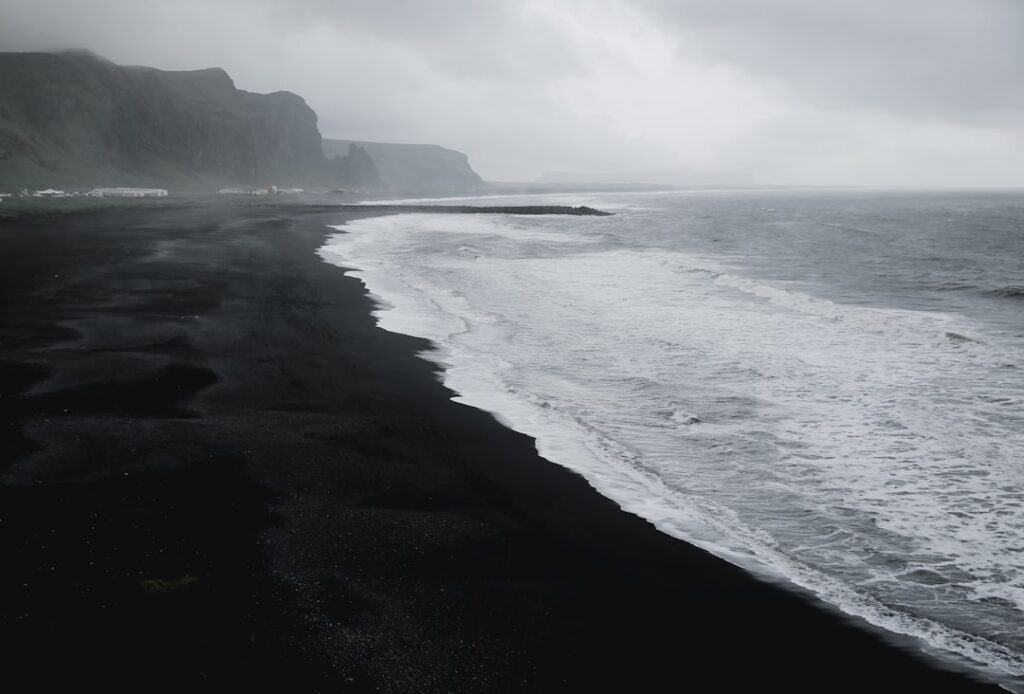
Porto di Vulcano — Località Gelso, 98050 Vulcano Isole Eolie ME, Italia. A small port reachable on foot from the Levante village (10–20 minutes). Atmosphere: black sand nearby, sulfur scents in the air and local boats. Vessels tie up at simple piers: lights at night and small fishing nets on the quay.
-
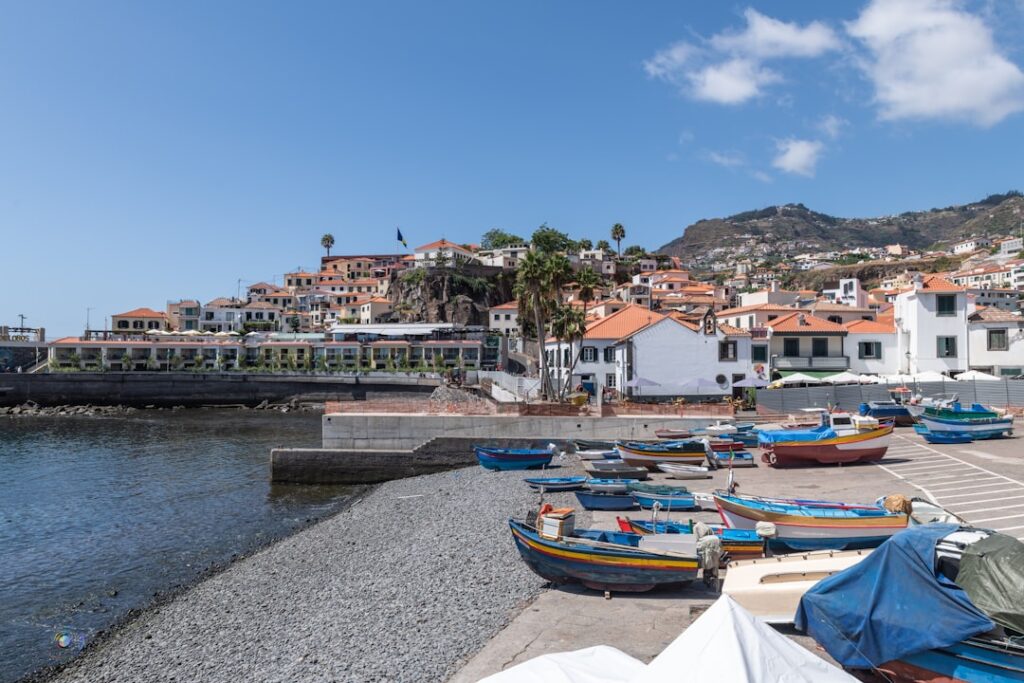
Santa Marina Salina (Porto) — Via Roma, 98050 Santa Marina Salina ME, Italia. Salina’s central quay with direct access to cafés and restaurants. Atmosphere: slow-food vibes, fishermen selling fresh capers on the dock.
-
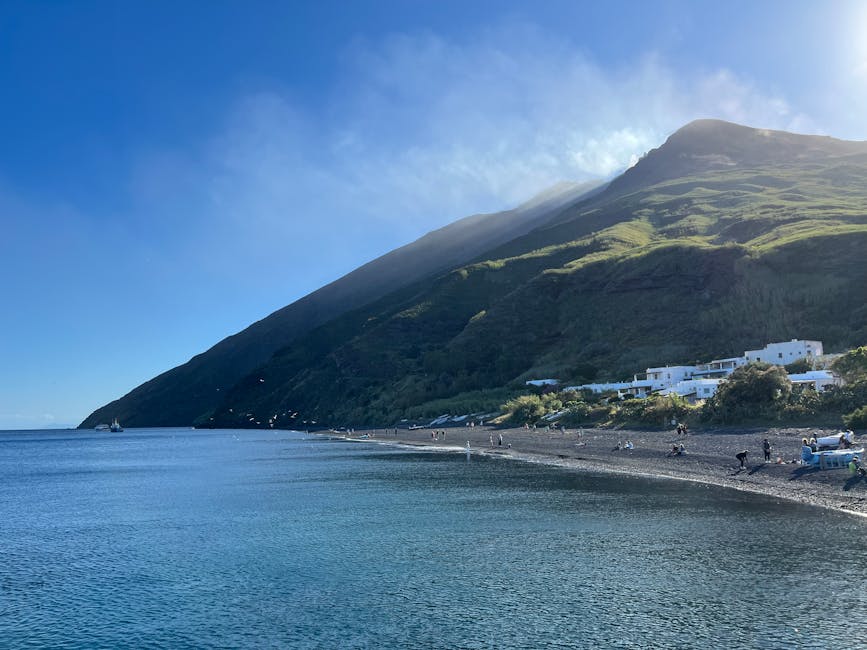
Porto di Stromboli (Scari/Ginostra area) — Località Scari, 98050 Stromboli ME, Italia. Landings on Stromboli are usually at Scari (main landing); Ginostra is served by local boats from Scari depending on weather. Atmosphere: white houses, volcanic flows, boarding under the village’s watchful gaze.
Typical schedules: in high season (May–September), the first hydrofoils often leave around 06:30–07:00 and the last fast connections run until 20:00–21:30. Conventional ferries (car-capable) tend to have earlier departures and sometimes late returns up to 23:00. In low season frequencies drop; always check up-to-date timetables online or at the ticket office.
2. Local operators: profiles, indicative fares and what they offer
Several companies serve the archipelago. Each has strengths: speed, vehicle transport, number of stops and tolerance for rough seas. Here’s an overview of the main players and indicative fares in euros (subject to seasonal changes).
-
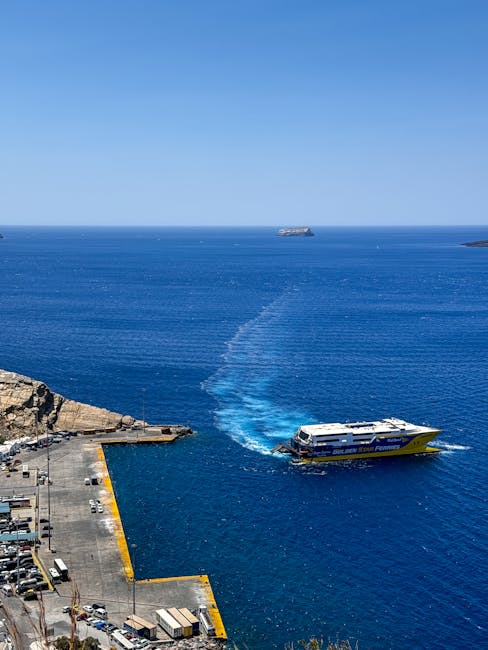
Liberty Lines S.r.l. (hydrofoil) — serves Milazzo–Lipari–Vulcano–Salina–Panarea–Stromboli. Indicative fares: Milazzo–Lipari €16 one-way adult, Milazzo–Stromboli €30–35. Typical hours: 06:30–21:00 depending on season. Services: no vehicle transport, online booking and port ticket offices. Local tip: choose their early morning runs to reduce the risk of cancellations due to rough seas.
-
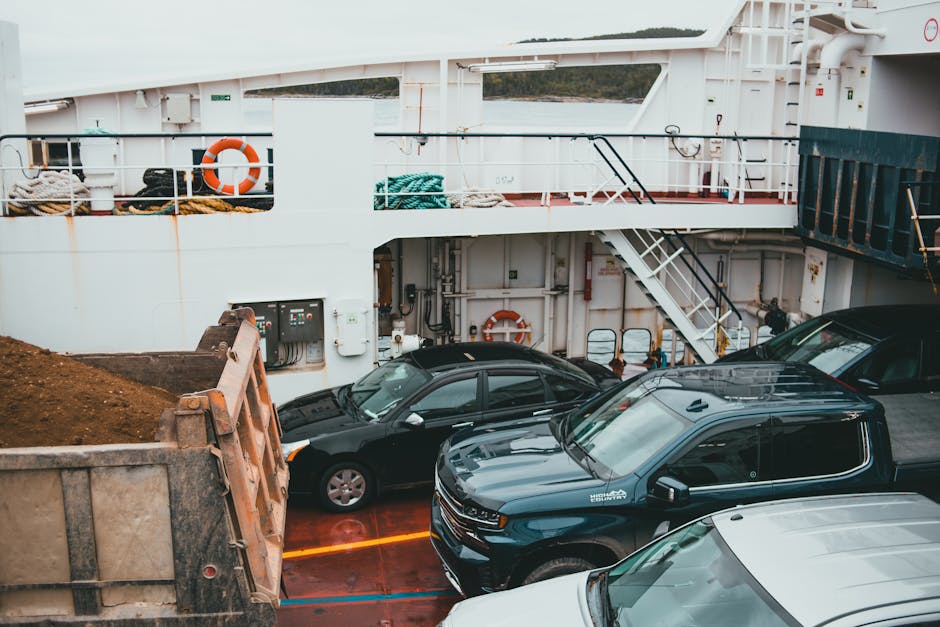
Siremar / Compagnia di Navigazione siciliana — conventional ferries that accept vehicles. Indicative fares: Milazzo–Lipari €12–18 (foot passenger), standard car €45–70 depending on island and period. Schedules: morning departures (05:30–09:00) and sometimes evening returns. Services: slower but more reliable in rough seas. Bookings for cars are recommended.
-
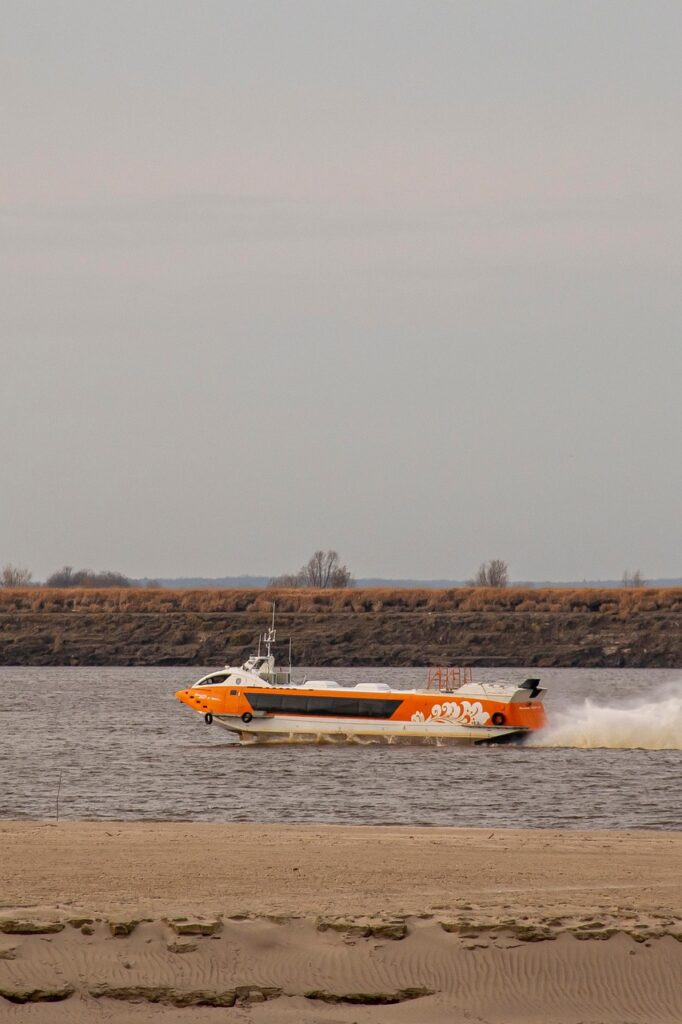
Alicost / Ustica Lines (hydrofoil / fast-boat) — fast services similar to Liberty Lines with variable routes. Indicative fares: Milazzo–Lipari €15–20. Schedules: many rotations in summer; ticket offices in Milazzo and Lipari. Tip: watch for combined offers for island-to-island transfers.
-
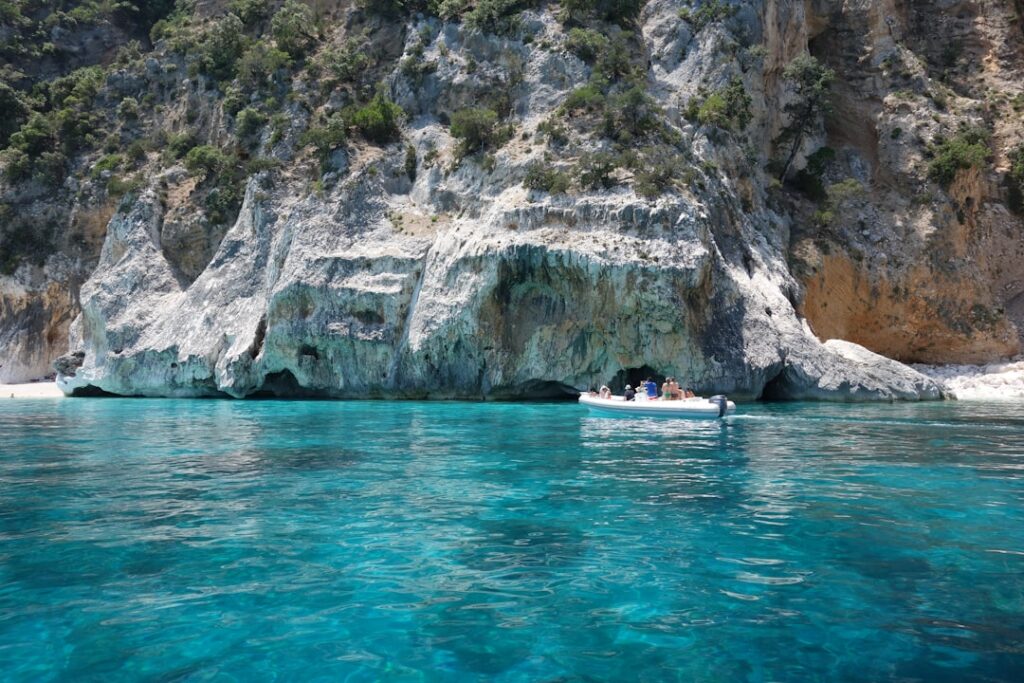
Local maritime services (private boats) — small craft for direct transfers to coves or links to Ginostra. Indicative fares: private transfers Milazzo–Stromboli €120–€250 depending on time, negotiation often possible. Schedules: flexible but weather-dependent. Ideal for groups or emergencies.
Practical tips: always compare timetables and cancellation policies. Hydrofoils are often cheaper when booked in advance and are only refundable under specific conditions. For cars, book via Siremar or at the port offices, and plan to arrive 60–90 minutes early for boarding formalities.
3. Tickets, bookings and money-saving tips (local advice)
There are three main ways to buy a ticket: online, at the ticket office (biglietteria) or via a local travel agency. Each method has pros and cons.
- Online booking: convenient and fast. Pros: immediate confirmation, seat selection with some operators, often early-bird promos. Cons: service fees and sometimes strict refund policies in case of weather cancellations. Tip: print or save your reservation number and confirmation emails on your phone.
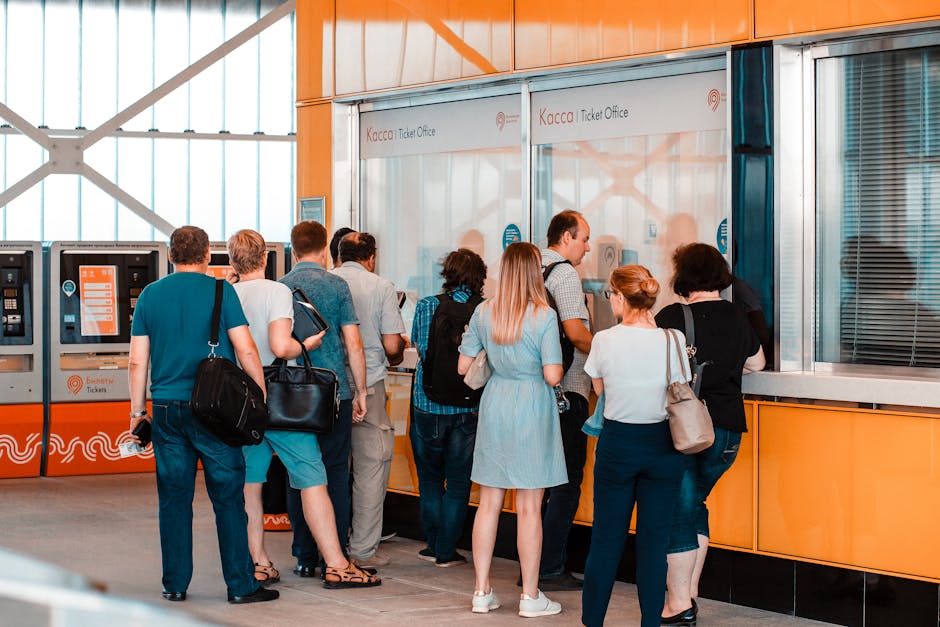
- Port ticket office: lets you ask questions and get face-to-face advice (e.g. which boat is more sheltered if the sea is rough). Pro: ability to negotiate or change times thanks to human interaction. Con: queues during July–August. Advice: come early in the morning and use the ticket office on the old-port side—it’s often faster.
- Local agencies: useful if you have a multi-island itinerary or are transporting a vehicle. They manage combined transfers and can offer hike/return packages. Prices: typically a 5–10% markup but provide a turnkey service.
Local tip: if you travel light and are flexible, arrive 30–45 minutes before departure and ask at the counter about overbooked lists or waiting lists—sailors sometimes free up seats when groups don’t show. To save money, book mid-day crossings (10:30–15:30) which can be cheaper than peak morning/evening times. Finally, carry some cash (euros): small kiosks or boat operators may not accept cards.
4. Traveling with a car, bike or bulky luggage: rules and costs
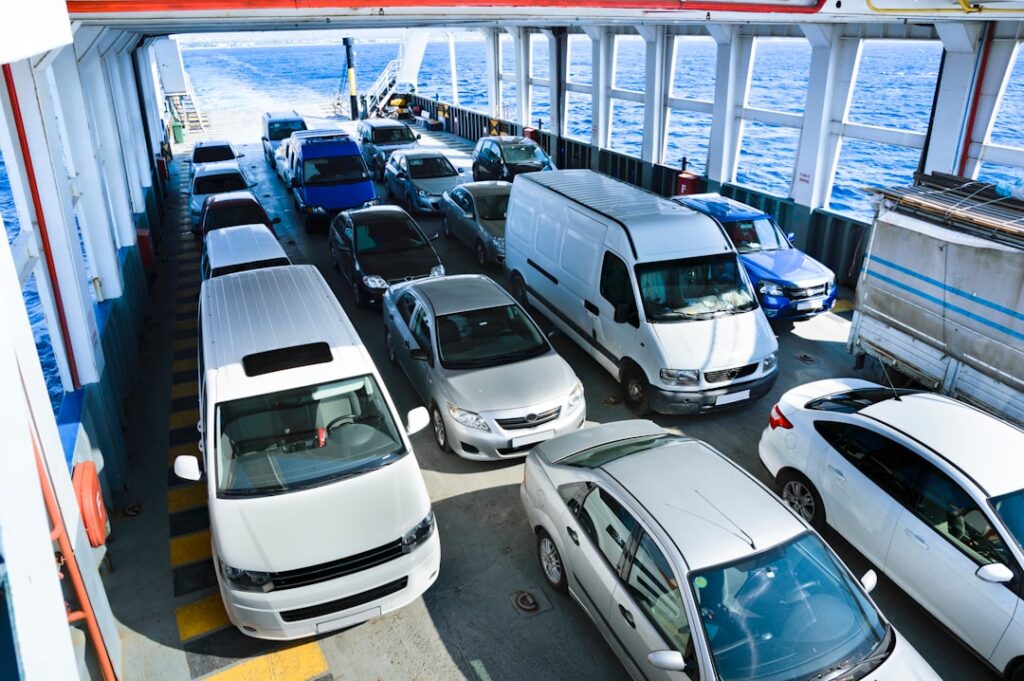
Bringing a vehicle to the Aeolian Islands requires knowing the rules and costs, which vary widely by company and season. Conventional ferries accept cars; hydrofoils do not.
- Car fares (indicative): Milazzo–Lipari: standard car (4 m) around €45–60 one-way; Milazzo–Stromboli: €60–90. Fares vary with vehicle length and season. Always check the maximum length and weight accepted when booking.
- Bicycles: often accepted free or for a small fee €3–€7 depending on operator and space availability. On hydrofoils you may be asked to partially disassemble or adapt the bike.
- Bulky luggage: for surfboards, diving gear or large equipment, inform the company when booking. Fees: €5–20 extra depending on size and route. Small ferries may refuse bulky items for safety reasons.
Local advice: if you really need a car, book early (at least 2–3 weeks in high season). Show up at the boarding counter 60–90 minutes before departure for vehicle checks. For parking in Milazzo use the “Porto di Milazzo – Zona Imbarco” lot (near Piazza Roma); daily rates €10–18 depending on season. Consider leaving the car in Milazzo and renting a scooter/quad on the islands—it’s often cheaper and more practical on narrow island roads.
5. Weather, safety and alternatives in case of cancellations
The sea is the most unpredictable factor in the Aeolian Islands. Even in summer, a Scirocco gust or Libeccio swell can cancel hydrofoil services. Here’s how to anticipate and respond.
Forecasts: check the local MeteoMar, the marine bulletins (bollettino meteo marino) and the port noticeboards. If winds exceed about 25 knots or seas are rough, operators tend to favor conventional ferries. Tip: if you have a tight connection (e.g. sunset on Stromboli), prefer a late conventional ferry rather than risking an early hydrofoil that might be cancelled.
- If your crossing is cancelled: companies usually offer a refund or an exchange. Keep your receipts and payment confirmations. Port ticket offices can often reassign passengers to the next available crossing if there is space. For emergencies, look for private boats or local transfer contacts (often listed near the docks).
- Travel insurance: if your schedule is tight, consider insurance that covers missed connections due to weather. Check the policy’s clauses related to marine transport.
- Alternatives: if you can’t leave, make the most of local beaches, hiking trails or cellar visits—the islands are full of activities reachable from the port.
Conclusion: choosing the right ferry sets the tone for your Aeolian trip
Picking the right ferry for the Aeolian Islands is more than a logistical detail: it shapes your days of exploration, your comfort and your ability to enjoy the scenery. Between the speed of hydrofoils, the robustness of conventional ferries and the flexibility of private boats, it’s essential to match your choice to your priorities—speed, vehicle transport, sea tolerance, or late-hour connections.
Summary of essential tips:
- For speed and frequent rotations: favor Liberty Lines or Alicost on Milazzo–Lipari–Stromboli routes in high season (indicative fares €15–35 depending on destination).
- To take a car or travel in rough seas: choose a conventional ferry like those run by Siremar (expect €45–90 for a vehicle depending on island).
- Book online for promotions but keep a paper or digital copy of your ticket; for maximum flexibility, buy at the port ticket office when you arrive.
- In high season, arrive 45–90 minutes before boarding; in low season, check schedules the day before as rotations may be reduced.
- For fast private transfers or trips to secluded coves: negotiate with local boatmen but agree a price beforehand (private transfers Milazzo–Stromboli €120–250).
Finally, embrace the spirit of the Aeolians: soak up the islands’ slower rhythm and accept the unexpected—sometimes a cancelled crossing leads to an empty beach or an unforgettable dinner with locals—and go prepared. The docks of Milazzo, Lipari, Vulcano, Salina and Stromboli are gateways to extraordinary volcanic landscapes; choosing the right ferry turns a simple crossing into your first unforgettable Aeolian experience.