





Introduction: Discovering the Panarea Wreck — a Call to Adventurous Divers
Panarea, one of the quieter gems of the Aeolian Islands, draws more than sunseekers and lovers of hidden coves. For adventurous divers, the island hides captivating underwater mysteries, chief among them the Panarea wreck — a dive that blends maritime history with rich Mediterranean marine life. This comprehensive guide is aimed at experienced recreational and technical divers: it contains practical information, exact addresses, prices in euros, typical schedules, vivid site descriptions, and essential local tips to turn a dive into a true expedition.
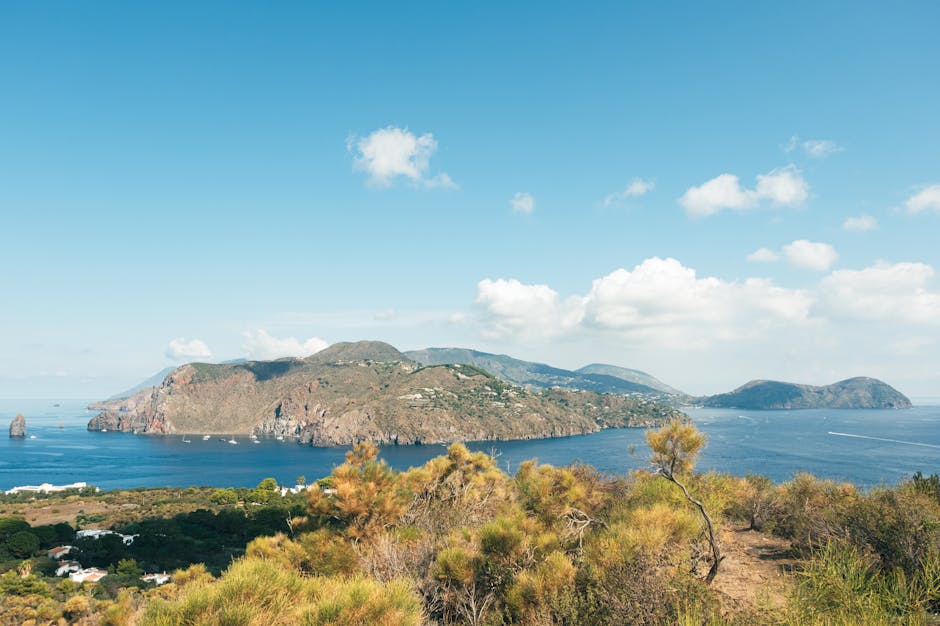
The main harbor, Porto di San Pietro (98050 Panarea ME, Italy), is the jumping-off point for boat trips to dive sites. Ramps and piers are often bustling at dawn when dive centers finish gearing up and boats prepare to depart. Thanks to its volcanic geology, the Aeolian archipelago offers varied seabeds: basalt slabs, drop-offs, seaweed gardens, tunnels and gorgonians. The wreck off Panarea is particularly attractive because it combines human history — the remains of a lost vessel — with rapid colonization by a rich marine community: groupers, dentex, nudibranchs, schools of salema and other fish, plus colorful gorgonians and sponges increasingly covering the metal structure.
This guide aims to be practical and immersive. You will find precise information about local operators, including dive centers on Panarea and on neighboring Lipari, with addresses and typical opening hours; indicative rates for guided dives, equipment rental, and underwater photo packages; and safety recommendations for dealing with local currents and changing weather. You’ll also get cultural and logistical tips — where to sleep, where to eat after a dive, how to help preserve the site and comply with local maritime rules.
Whether you’re planning a recreational exploratory dive or a technical immersion to photograph the wreck, this guide walks you through each step. It includes visual checkpoints to prepare your gear and itinerary, plus seasonal recommendations to optimize visibility and water temperature. Diving the Panarea wreck is at once plunging into a volcanic backdrop, exploring the inner life of an old ship, and encountering abundant marine life: an ideal playground for divers of many levels who are ready to be surprised by the depths of the Aeolian Islands.
1. Getting to Panarea and Preparing for Your Dive
Panarea is mainly reachable by boat from the ports of Milazzo, Lipari and Naples. Regular connections depart notably from Milazzo – Porto (Via Vittorio Emanuele III, 98057 Milazzo ME, Italy) and Lipari – Porto (Via Tenente F. O. La Rosa, 98055 Lipari ME, Italy). In high season (May to September), ferries and hydrofoils serve Panarea daily. Typical schedules include:
- Compagnia delle Isole / Liberty Lines: Milazzo -> Panarea, morning departures around 07:00–08:30, return late afternoon 17:00–19:00. Approximate price: hydrofoil €30–€45 one way, depending on season.
- Traghetti Siremar: occasional vehicle services (in summer), variable timetables. Vehicle and passenger fares should be checked locally.
Disembarkation is mainly at Porto di San Pietro, Isola di Panarea (98050 Panarea ME, Italy), where you’ll find small quays, steps up to the center of the island and offices for local dive centers. Be prepared to walk on cobbles or steep paths if your accommodation is higher up — bring waterproof bags for fragile gear and a dry bag for documents and cameras.
Before diving, it’s recommended to book your dive and check marine weather forecasts. Official dive centers on Panarea and Lipari provide detailed briefings. Here are two useful contacts:
- Centro Subacqueo Panarea – Via Marina 1, 98050 Panarea (ME). Hours: 08:00–19:00 (May–Sept), closed or reduced hours in low season. Rates: guided wreck dive €85 per person (boat + guide + weights), full regulator rental €25/day, 5 mm wetsuit €10/day. Photo packages and nitrox available on request.
- Blue Waves Diving – Lipari – Via Garibaldi 22, 98055 Lipari (ME). Hours: 07:30–19:30. Rates: Panarea shuttle + wreck dive €120–€150, depending on number of dives and gear provided.
Practical tips for preparation:
- Documents: ID/passport, diving certification (Open Water minimum for recreational dives), logbook, dive insurance covering rescue and recompression (e.g., DAN).
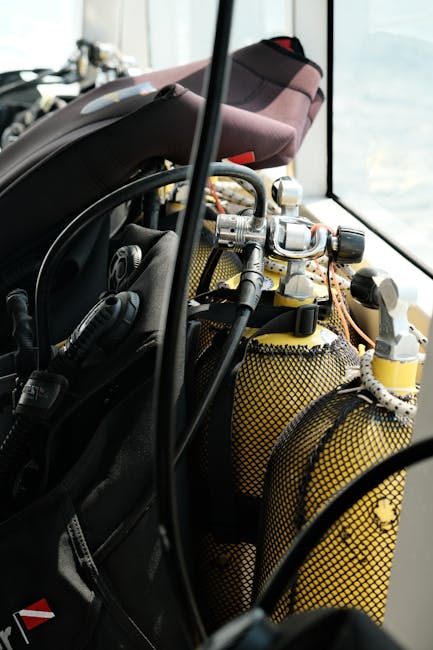
- Equipment: personal mask and snorkel, dive computers, dive light for wreck penetration (1000+ lumens recommended for caverns), surface marker buoy if depth >18 m. Rent regulators and wetsuits locally if needed.
- Health: stay well hydrated, avoid alcohol before diving, observe decompression stops and post-dive flight windows (wait 18–24 hours before flying after deep dives).
Weather conditions and seasonality
The best time to dive around Panarea runs from April to October. From June to September visibility is often excellent (15–30 m) and the sea calmer, but tourist crowds are at their peak. Off-season, the sea can be rougher and services reduced. Dominant winds include the mistral and the levante; check wind direction the day before — a north-west wind often calms waters around Panarea, while a southerly wind can make outings choppier.
2. The Panarea Wreck: Location, History and Dive Profile
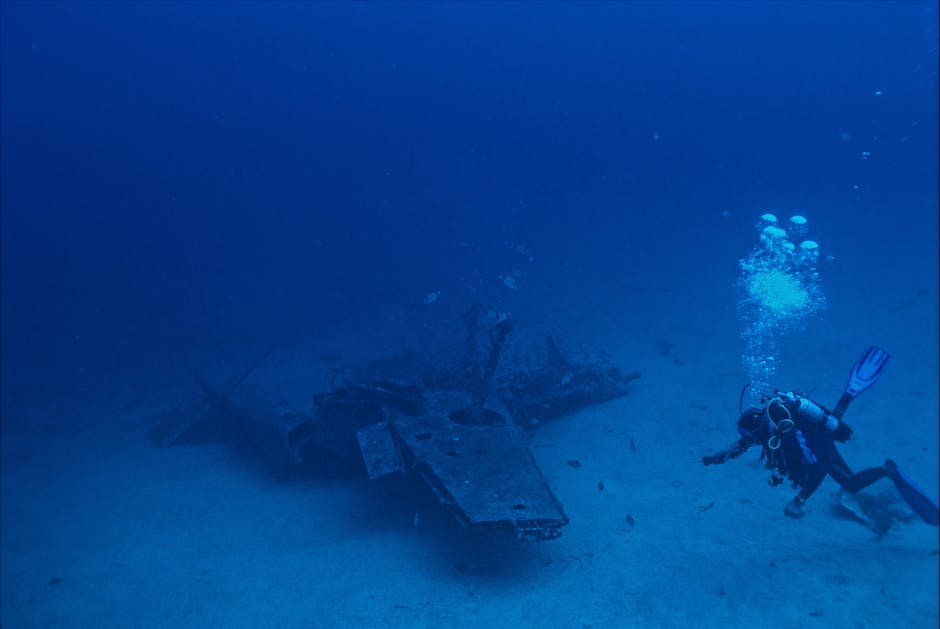
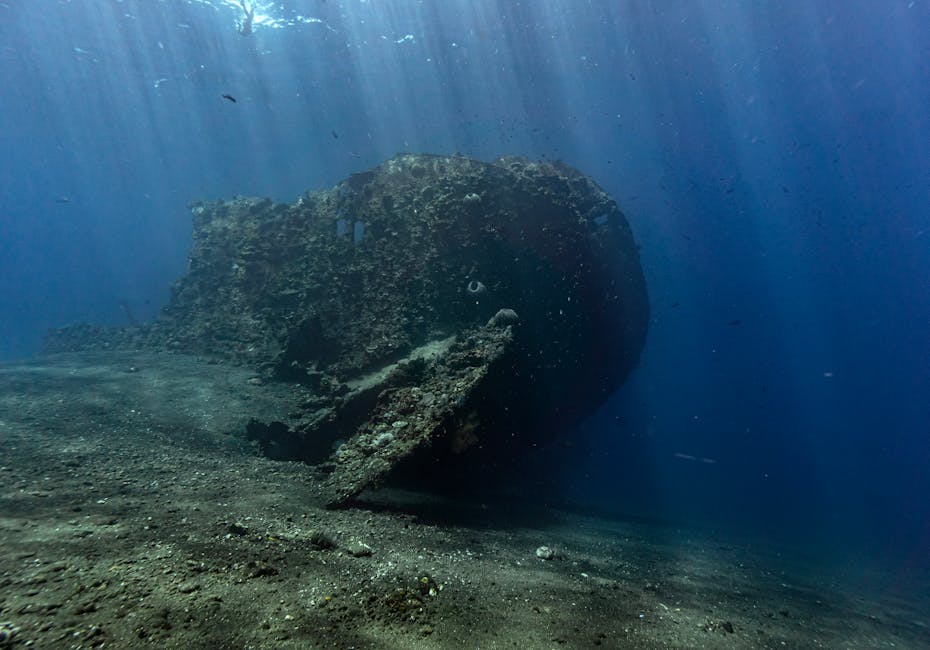
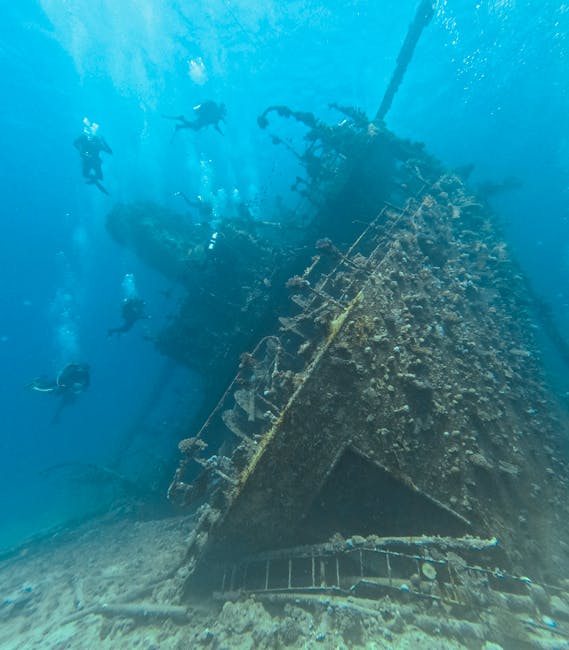
The wreck commonly referred to as the “Panarea wreck” lies at an average depth of 28 to 42 meters, depending on the section of the site. It’s generally located off the northwest coast of Panarea, near the small islets and volcanic rocks that define the seafloor around the island. For protection and safety reasons, exact coordinates and the wreck’s commercial name are often disclosed only during the dive center briefing. This helps protect the site and ensures divers are properly supervised.
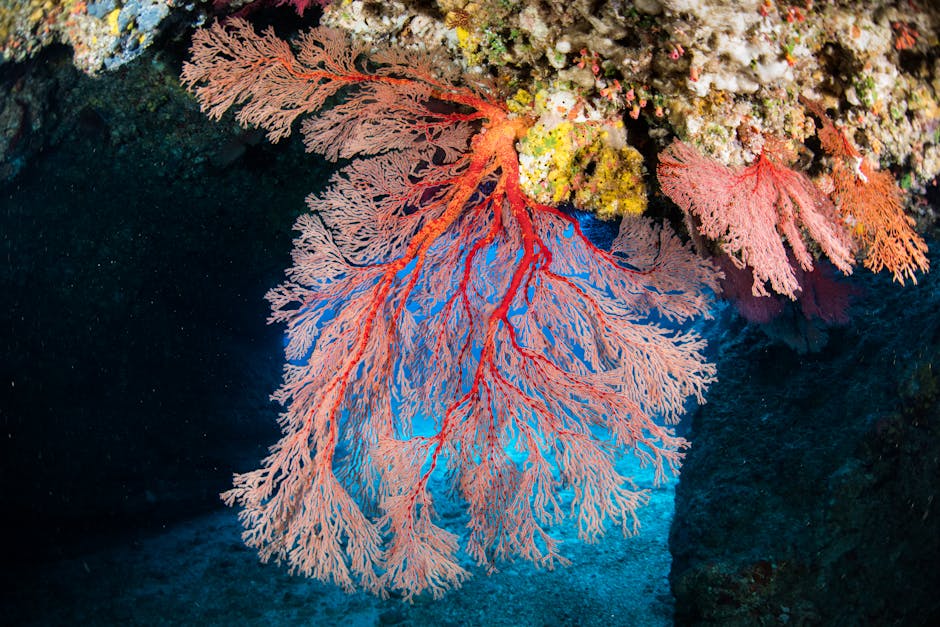
History: the wreck is the result of a sinking that happened several decades ago involving a small coastal freighter or regional cargo vessel. The remains of hull, superstructure and mechanical components now provide habitat for many marine species. The structures are colonized by red gorgonians, yellow sponges and schools of fish using crevices as shelter. The volcanic topography around the site adds surprises: cavities, overhangs and nearby volcanic walls further enrich the dive.
Typical dive profile:
- Maximum depth: 42 m (varies by exact spot)
- Average dive depth: 20–30 m
- Recommended bottom time: 30–40 minutes depending on air consumption and safety stops
- Dive type: wreck + exploration, often combined with a nearby wall or cave dive
- Required level: certified Open Water with experience for 30 m zones
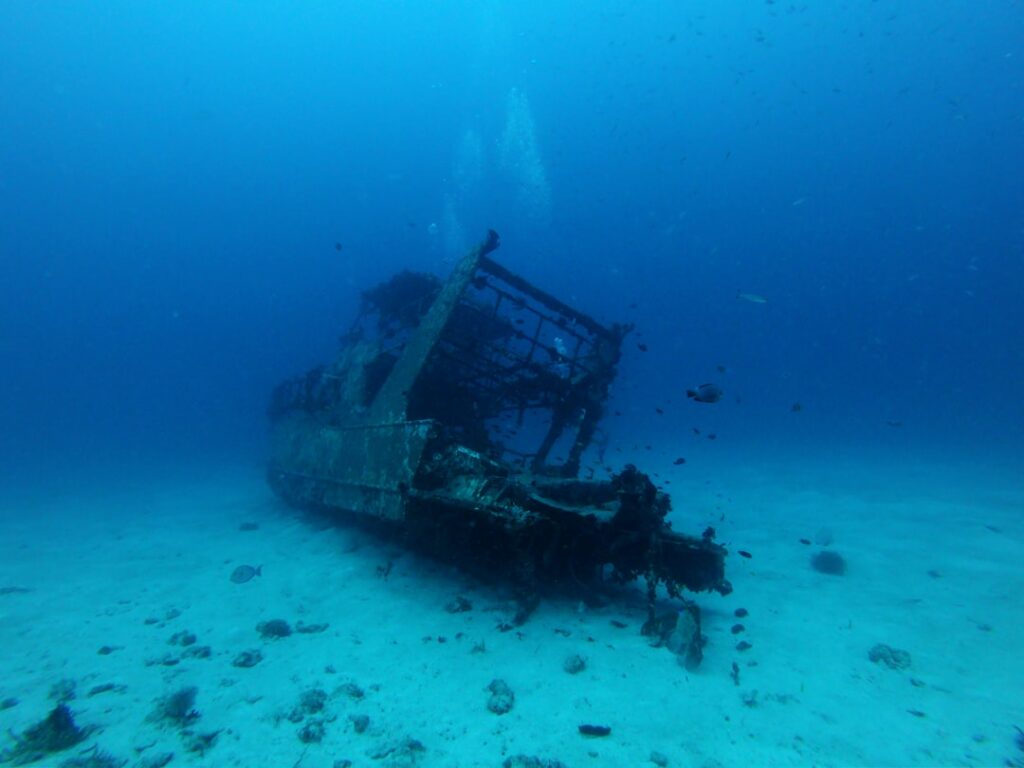
Visibility and wildlife: visibility typically ranges between 10 and 30 meters, much depending on season. Expect to spot groupers (Epinephelus marginatus), dentex, moray eels (Muraena helena) slipping into crevices, and colorful nudibranchs along upper wreck surfaces. Schools of salema and bogues are common, and seabirds overhead often indicate concentrations of small fish — a good sign of local feeding activity and marine life.
Safety and conduct rules:
- Respect the briefing: do not touch the wreck, do not remove objects. Structures can be fragile and hazardous.
- Use a guideline or decompression line if you plan to enter cavities.
- Maintain slow, steady breathing to extend bottom time and minimize impact on wildlife.
- If you’re shooting photos, stabilize yourself to avoid damaging fauna or stirring up sediment.
Typical costs for a wreck dive
Prices vary depending on number of dives and operator. Indicative examples:
- Single guided wreck dive (boat included): €85–€110 per person
- 2-dive wreck package: €160–€200
- Regulator rental: €20–€30/day; 12L tank €15–€20 per fill
- Nitrox (certified): €15–€25 per fill
- Private guide or photographer: supplement €50–€120 depending on duration
3. Recommended Dive Centers and Logistical Services
On Panarea and neighboring Lipari, several professional dive centers run guided trips to the wreck. Here’s a selection of reputable centers with addresses, hours and services:
- Centro Subacqueo Panarea – Via Marina 1, 98050 Panarea (ME), Italy. Hours: 08:00–19:00 (May–Sept), open by appointment off-season. Services: daily guided dives, full gear rental, PADI/SSI courses, waterproof camera housing rental. Rates: wreck dive €85, 5 mm wetsuit rental €10/day, nitrox €20/fill. Contact recommended for morning briefings (local phone available on request).
- Blue Waves Diving – Lipari – Via Garibaldi 22, 98055 Lipari (ME), Italy. Hours: 07:30–19:30. Services: daily shuttle to Panarea, multi-dive packages, English/Italian guides, advanced courses. Shuttle + dive rates from €120.
- SeaEol Divers – Via Cristoforo Colombo 3, 98055 Lipari (ME). Hours: 08:00–18:00 (season). Special services: technical dives, rental of dive scooters in partnership, trimix training on request. Technical diving and tailored support priced on estimate.
Additional logistical services:
- Tank fills: most centers offer 200–300 bar fills; expect €15–€20 per standard 12L fill.
- Secure storage: lockers and drying areas available at Centro Subacqueo Panarea and port facilities.
- Transport and transfers: shuttles from Lipari (shuttle fee €15–€30 depending on operator), private boat transfer on request.
- Camera rental: €40–€80/day depending on gear (basic housing + camera to professional setups).
Booking and cancellation policy: in high season, book at least 48–72 hours in advance. Centers often require a 30% deposit to secure your spot. If weather makes diving unsafe, most operators offer to reschedule or provide a full refund; check specific terms when booking.
4. Sample Itinerary for a Wreck Dive Day and Local Tips
To make the most of the experience, here’s a detailed itinerary for a day of diving the Panarea wreck, from wake-up to post-dive:
- 06:30 – 07:30: Breakfast and preparation
Start early with a balanced breakfast at your accommodation. Bring water, energy snacks and sun protection. Confirm your meeting time with the dive center (typically 07:30–08:00 for a morning trip).
- 07:30 – 08:00: Briefing and boarding
Arrive at Porto di San Pietro at least 30 minutes before departure. The briefing covers the site, safety instructions, expected depth, hand signals and the dive plan. Check strap tightness, tank pressure and that your computers are functioning.
- 09:00 – 09:45: Transit and water entry
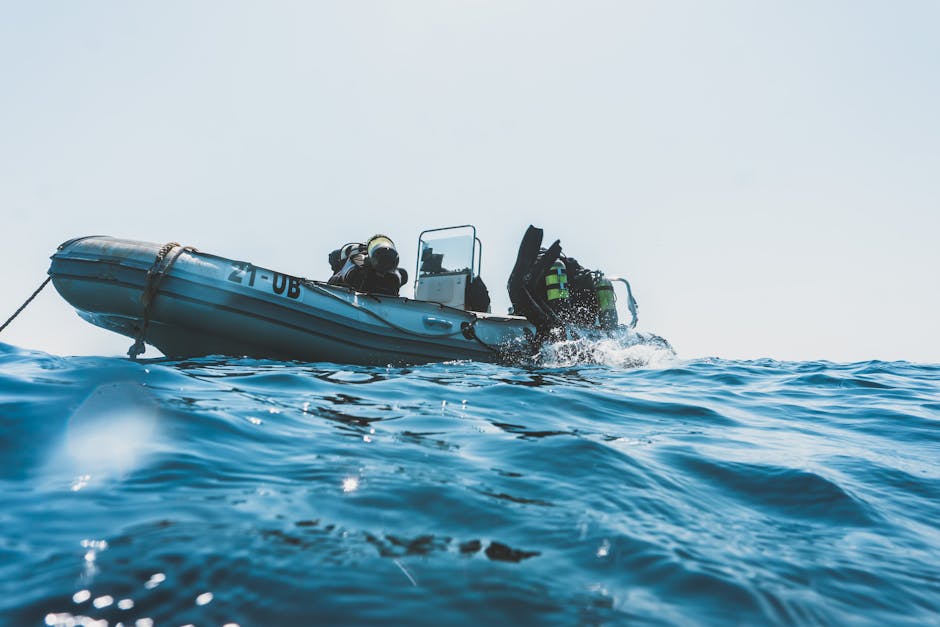
The boat ride to the wreck normally takes 20–40 minutes. During transit, rig your kit, perform pre-dive checks and keep your BCD secured. Entry is usually by backward roll or seated entry depending on boat size and skipper instructions.
- 10:00 – 10:45: Main wreck dive
Bottom time depends on consumption: 25–40 minutes. Explore accessible sections, admire the biological growth, but avoid entering unsafe compartments. Respect max depth limits and begin ascent early enough to complete safety stops.
- 12:00 – 13:30: Surface interval & optional second dive
Use downtime on the boat for a snack, to check your images and rehydrate. If doing a second dive, it’s often on a nearby wall or volcanic cave — shallower but equally spectacular.
- 14:00 – 15:00: Return to port and debrief
A final debrief is recommended to review the dive, swap photos and log observations in your dive log. Store gear in designated areas and rinse mask and regulator with fresh water if possible.
- 15:30 – Evening: Relax and eat
After diving, sample local specialties at a Panarea restaurant. Recommended address: Ristorante Da Paolino, Via Roma 12, 98050 Panarea (ME) — open 12:30–15:30 & 19:30–23:00. Main courses €12–€25. Fresh seafood and pasta alla siciliana are must-tries.
Local tips:
- Respect protected zones: some seabed areas may be reserved for research or biodiversity protection.
- Bring a cover or a dry bag to protect electronic devices from salt and sand.
- Speak basic Italian: a simple “grazie” and “per favore” go a long way. Dive staff often speak English, but a little Italian is appreciated.
5. Accommodation, Food and Life After Diving
Although small, Panarea offers comfortable accommodation options and charming places to eat to recover after dives. Lodgings tend to blend Aeolian charm with modern comforts, but book well in advance for high season.
- Hotel Raya – Via Nuova Panarea, 98050 Panarea (ME). Reception hours: 08:00–22:00. Double rooms from €140/night in season. Services: breakfast included, transfer service from Porto di San Pietro.
- B&B Le Terrazze – Via Marina 5, 98050 Panarea (ME). Reception hours: 09:00–21:00. Double room rates: €80–€120/night depending on season. Ideal for early morning dives.
Restaurants and bars:
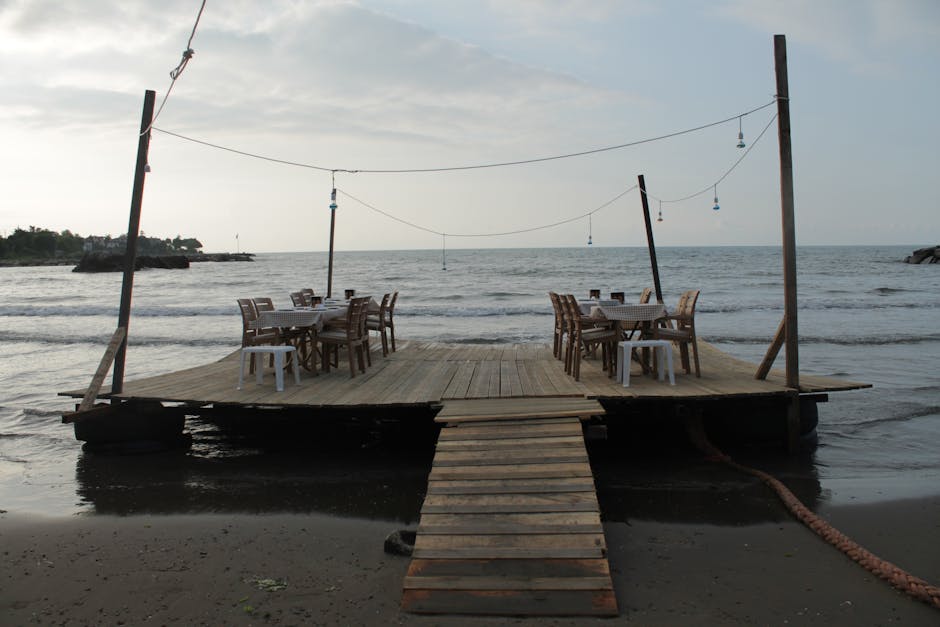
- Ristorante Da Paolino – Via Roma 12, 98050 Panarea (ME). Hours: 12:30–15:30 & 19:30–23:00. Main courses €12–€25. Reservations recommended.
- Bar del Porto – Porto di San Pietro, 98050 Panarea (ME). Hours: 07:00–01:00. Coffee, sandwiches, aperitifs; ideal for a post-dive drink.
Post-dive and complementary activities:
- Hiking the volcanic trails (wear suitable shoes).
- Boat excursions to Basiluzzo and Lisca Bianca for snorkeling and cliff viewing.
- Underwater photography: centers often offer image culling and RAW backup to preserve your shots.
Practical stay tips:
- Carry some coins and cards: small shops may not accept cards.
- Respect the environment: no littering on beaches or in the sea, and use biodegradable sunscreens to protect reefs.
- Bring travel and dive insurance: check coverage for evacuation and underwater accidents.
Conclusion: Preparing Your Expedition to the Panarea Wreck
Diving the Panarea wreck is a full-fledged adventure: historical immersion, biological discoveries and technical thrills. This guide has given you the essentials to plan and experience it safely: exact addresses of ports and dive centers, indicative rates in euros, usual hours, a sample day itinerary, equipment recommendations and local advice. By following briefings, adhering to regulations, and choosing professional operators (Centro Subacqueo Panarea, Blue Waves Diving and others), you maximize your safety and help preserve the site for future generations.
Remember that the Aeolian archipelago is a fragile volcanic environment. Every dive is an opportunity to observe unique ecosystems often found nowhere else in the Mediterranean. Adopt a respectful approach: avoid touching the wreck, use proper weighting to limit contact with the seabed, and report any archaeological or biological finds to the competent authorities. Finally, enjoy Sicilian hospitality after your dive — a good meal, a glass of local wine and conversations with locals are precious moments that complete the underwater experience.