




Introduction — Nightwatch in the Aeolian Islands: wrecks, seafloor communities and bioluminescent glows
The Aeolian Islands form a volcanic archipelago off Sicily’s northern coast, famed for dramatic landscapes, clear water and rich marine life. Beyond daytime hikes and black-sand beaches, there’s a whole other nighttime world to discover: shallow wreck edges, benthic communities coming alive under starlight, and bioluminescent phenomena that turn the sea into a liquid sky. This practical guide gives you a full, safe and user-friendly immersion for nightwatching around Lipari, Vulcano, Salina, Stromboli, Panarea, Filicudi and Alicudi.
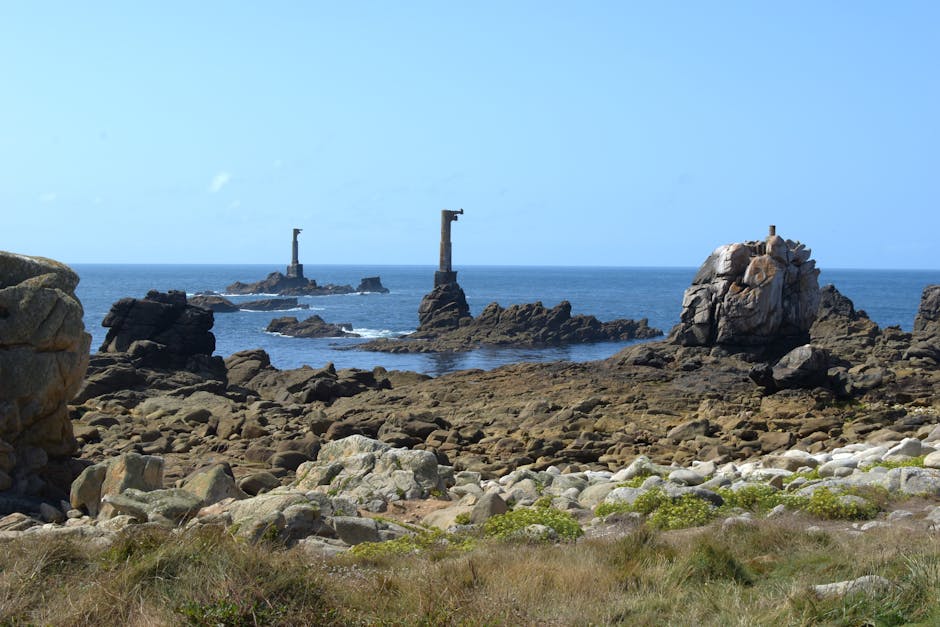
Nights take on a different character across the islands. At dusk, boats leave the main ports — like Porto di Lipari (Via Roma 20, 98055 Lipari ME, Italy), Porto di Vulcano (Levante) (Via San Vincenzo, 98050 Vulcano ME, Italy) and Porto di Panarea (Piazza San Pietro, 98050 Panarea ME, Italy) — to reach spots where currents, underwater topography and maritime history have left their mark: modern wrecks, remnants of fishing boats, deliberately sunk blockhouses and rocky promontories that shelter abundant marine life. Night dives and boat trips let you spot species rarely seen by day: nocturnal crustaceans, cephalopods, flashlight fish and sometimes schools of fish lit up by bioluminescent plankton.
This guide lists recommended sites, gives exact port and center addresses, shows prices in euros for trips and dives, outlines typical schedules and offers local tips to optimise safety and the quality of your viewing. Whether you’re a certified diver, an experienced snorkeler or a curious traveller, you’ll find tailored itineraries and vivid descriptions to prepare your evenings: where to drop anchor, how to approach a wreck without damaging it, when and where to look for phosphorescent glows, and which species to watch for. Bioluminescence, produced by planktonic organisms and some invertebrates, is unpredictable but more likely on moonless nights, after stable weather, and where the water is clean and relatively calm.
Before you go, keep conservation rules in mind: don’t touch corals or animal colonies on wrecks, avoid powerful dive lights without a red filter (so you don’t frighten wildlife), and respect markings in protected zones (marine park areas and reserves around certain islands). Local skippers and dive centres (names and addresses below) know the current patterns and danger zones, and can offer combined outings—wreck spotting, night diving and stops to admire beaches lit up by bioluminescence after midnight.
1) Lipari and wrecks accessible from Porto di Lipari
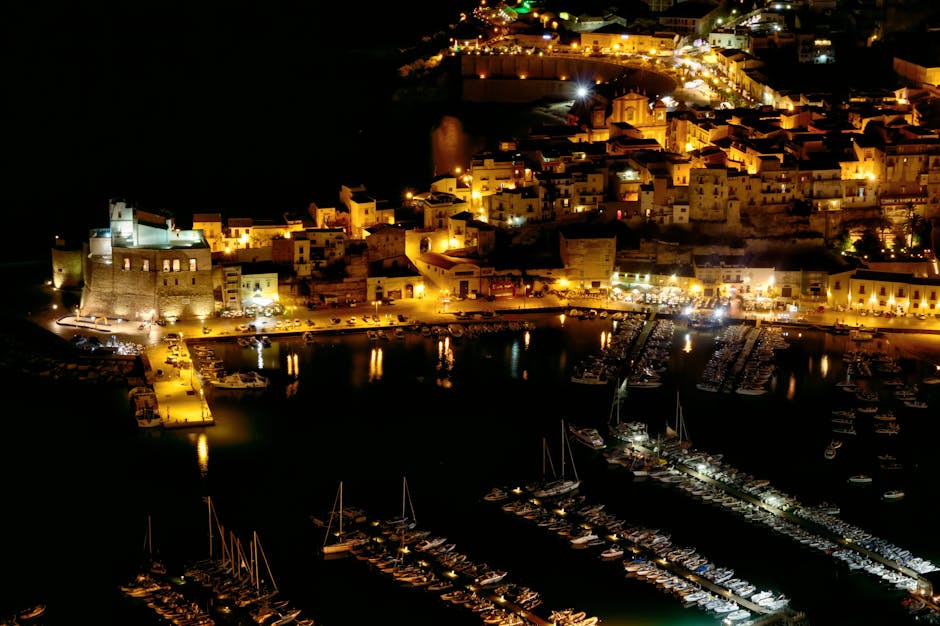
Lipari is the largest island and best equipped for launching night trips. Porto di Lipari is located at Via Roma, 20, 98055 Lipari (ME), Italy. The main quay stays lively late into the evening, and several operators run night excursions. For example, Centro Immersioni Lipari (address: Via Roma 66, 98055 Lipari (ME), tel. +39 090 981XXXX) offers guided night dives at an indicative price of €75 per person for one dive (equipment rental available on request); booking 24–48 hours ahead is recommended. Opening hours: reception 08:00–20:00, night outings usually 20:30–23:30 depending on the season.
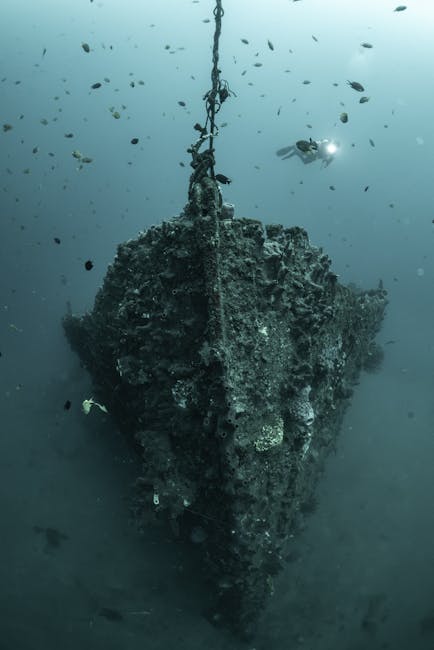
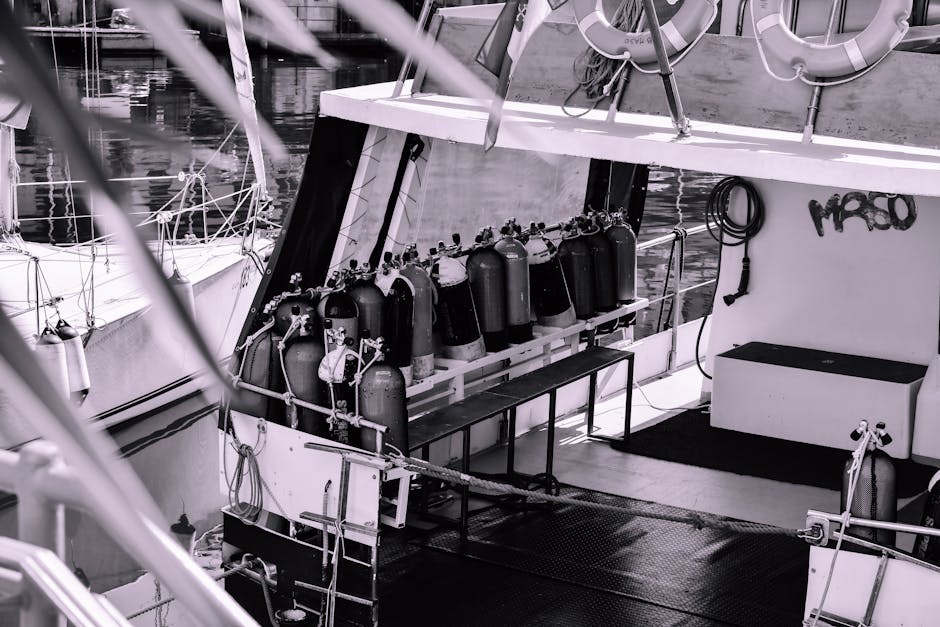
Around Lipari you’ll find several shallow coastal wrecks that are perfect for PADI Open Water divers and experienced night divers. Sites include remnants of trawlers and deliberately sunk boats used as artificial reefs. Wrecks are encrusted with sponges, gorgonians and anemones — habitat for rock lobsters, spiny lobsters and moray eels. A typical dive starts with a briefing on night navigation, lamp arrangement (bring a primary light + a backup torch), hand signals and returning to the boat using the descent line.
Local practical tips:
- Booking: reserve through the dive centre at least 48 hours in advance during high season (June–September).
- Gear: a 5 mm wetsuit is recommended at night; red-filtered lights are appreciated for macro observation.
- Safety: check weather and current strength; trips are cancelled if swell exceeds 1.5 m.
Boat trip price without diving: roughly €40–€60 per person for 2–3 hours (light drinks often included depending on the operator). Experienced divers can request deeper wreck dives for an extra fee.
2) Vulcano and bioluminescence near Levante
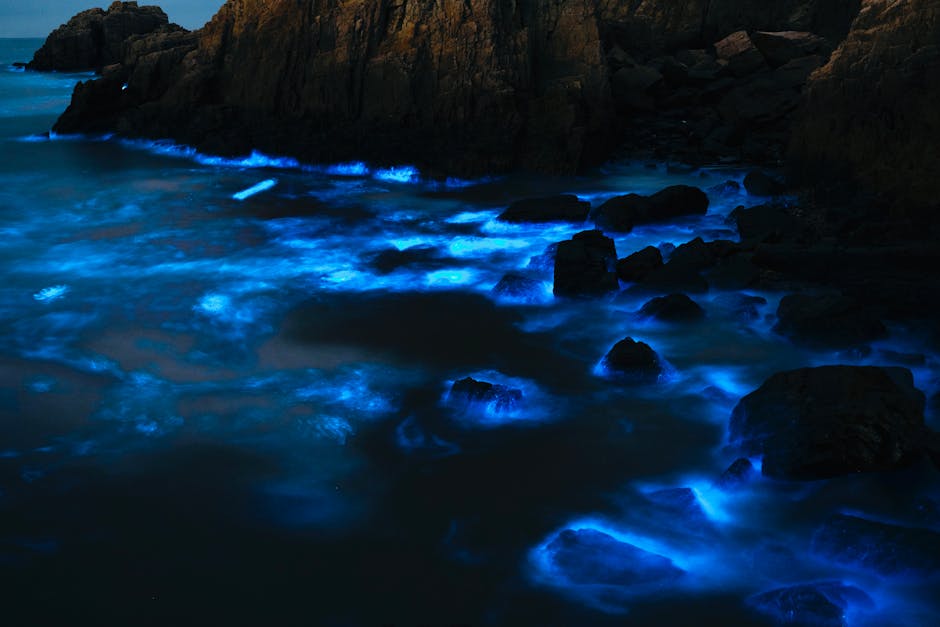
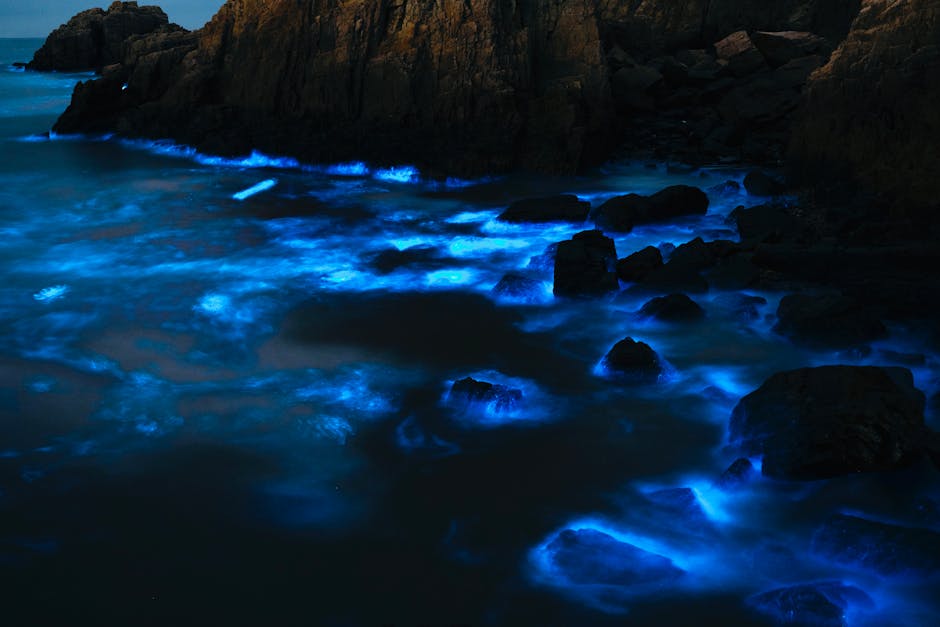
Vulcano, known for its fumaroles and black sand beaches, offers magical evenings when the sea starts to glow. Porto di Vulcano (Levante) is at Via San Vincenzo, 98050 Vulcano (ME), Italy. Nighttime dinghy rides from the port give access to sheltered coves where bioluminescent phytoplankton leaves glowing trails whenever the water moves.
The Vulcano Night Tour, run by several local operators (book locally or via hotels), combines a thermal bay stop, dusk views of fumaroles and a visit to a secluded cove to watch the bioluminescence. Price: about €50 per person for a 2-hour post-sunset trip; departure times vary with the tide, often between 20:30 and 22:30 in summer. For a night-swim experience, some tours include masks and low-intensity submersible lights.
Immersive description: picture yourself gently paddling under a star-strewn sky and seeing a blue shimmer follow every ripple beneath your hand. The lights usually come from dinoflagellates that spark when the water is disturbed; they’re best observed on moonless nights and a few metres from shore where waters are calm and nutrient input is moderate. Areas near hydrothermal vents can host unique flora and fauna; avoid getting too close to hot vents and follow guide instructions.
Local tips:
- When: moonless or crescent nights, after several days of calm weather.
- Gear: warm towel, snorkel mask; swim slowly to avoid diluting concentrations.
- Respect: no sunscreen or body oils before swimming to help preserve water quality.
Practical hours: Vulcano’s tourist information office (Via Roma 12, 98050 Vulcano) is open 09:00–18:00 in summer and can point you to trusted operators.
3) Panarea, Stromboli and combined nightwatch of seafloor communities
Panarea (Porto di Panarea — Piazza San Pietro, 98050 Panarea ME) and Stromboli (Piazza San Vincenzo, 98050 Stromboli ME) are known for outings that combine night marine life viewing and, in Stromboli’s case, volcanic spectacle. Trips often start late afternoon to catch sunset, observe wildlife around islets, and then, once darkness falls, scan wrecks and benthic communities with appropriately dimmed lights.
Around Panarea, the small coves near the islets of Basiluzzo and Spinazzola shelter Posidonia meadows and rocky bands where flashlight fish, nocturnal parrotfish and cuttlefish gather. Zodiac trips from the harbour (book via « Panarea Night Excursions », contact point: Porto di Panarea, Piazza San Pietro) typically cost €55–€70 per person for 3 hours. Departure times: 19:30–21:00 depending on the season.
Stromboli offers the rare combo of abundant marine life and an active volcano. Many companies run night trips that include marine observation and distant views of Stromboli’s incandescent activity. Night swimming and diving at Sciara del Fuoco are strictly regulated: land access is only allowed with authorised guides. Sea-based operators like « Stromboli Sea Tours » (Piazza San Vincenzo, 98050 Stromboli) run night cruises for about €65 per person, combining marine spotting with views of eruptions from the sea. Departures are usually 20:00–21:30.
Communities and behaviours: at night fish shelter in relief features for protection, while lobsters and small crustaceans become active. Divers can watch natural nocturnal hunting by cuttlefish and squid, often encouraged by discreet lighting. Practical tips:
- Quiet and discretion: the difference between a great encounter and scaring off wildlife often comes down to how unobtrusive the group is.
- Local guides: choose a guide who combines volcanology safety (for Stromboli) and night marine experience.
- Pricing: always ask what’s included (gear, insurance, drinks) to avoid hidden fees.
4) Filicudi and Alicudi: deep wrecks, dark caves and macro life
The western islands, Filicudi (Porto di Pecorini a Mare, 98050 Filicudi ME) and Alicudi, are prime spots for divers seeking quieter sites and deeper wrecks. Filicudi’s main harbour is reachable by local connections and small dive operators. Centro Sub Filicudi (address: Via Porto, 98050 Pecorini a Mare, Filicudi) runs night dives for certified divers at an indicative price of €80–€100 per dive (sometimes including suit and weights; full rental often extra).
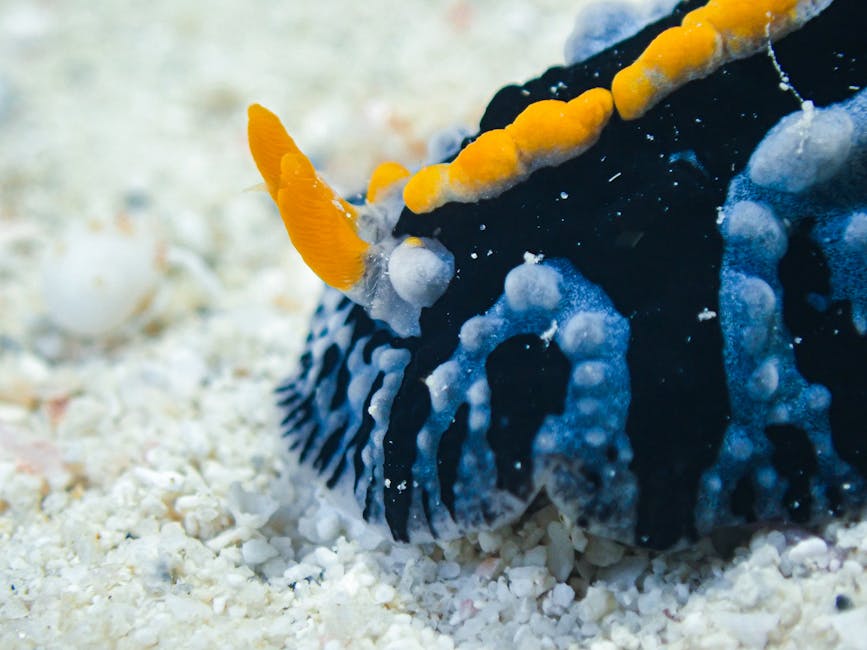
Wrecks around Filicudi sit between 18 and 40 metres, often near drop-offs or underwater arches. Nocturnal macro life — nudibranchs, commensal shrimps, small catfish — lights up under a torch, turning every crack into a tiny moving show. Deep wreck dives demand solid buoyancy control and confident night navigation skills.
Alicudi, more remote and almost wild, offers dives where basalt formations create columns and tunnels inhabited at night by octopuses and other cephalopods. Trips depart from the small local port and operators generally charge €70–€90 for the evening. Boarding often takes place 18:30–20:00 to allow time to reach the site and prepare before full darkness.
Safety and local advice:
- Qualification: some dives require Advanced Open Water or equivalent; check depths and decompression procedures.
- Personal guide: for deep wrecks insist on an experienced guide and a reel/guide line for the return.
- Site respect: take nothing and don’t handle wildlife; use slow movements to avoid startling nocturnal animals.
5) Logistics, prices, schedules and practical tips for planning your night outings
Organisation: dive centres and maritime companies often accept online or phone bookings, but it’s wise to show up at least 24–48 hours before your trip to check equipment and conditions. Typical timings: boarding between 19:00–21:30 depending on season and trip length; most tours return before midnight, with extended outings finishing after 23:00.
Indicative prices (for guidance only):
- Night boat trip (observation): €40–€75 per person for 2–3 hours.
- Guided night dive (1 dive): €70–€100 per person; full kit extra or included depending on the centre.
- Combined package (dive + cruise): €120–€160 per person.
- Torch or special equipment rental: €10–€25 per day.
Final practical tips:
- Insurance: buy dive insurance that covers night dives and emergency evacuations. Many centres require proof of insurance for guided dives.
- Ideal conditions: favour calm, moonless nights and at least 48 hours of settled weather to boost bioluminescence chances.
- Environmental respect: never throw anything overboard, avoid bright white lights near sensitive colonies, and follow guides’ instructions to minimise impact on underwater and coastal habitats.
- Transport and access: check Liberty Lines and other ferry timetables between islands; in high season buy tickets in advance. The port addresses above are common meeting points.
- Personal kit: bring an insulating towel, a warm sweatshirt for after the dive and water bottles; sea breezes can feel cool even in summer.
Conclusion — Preparing a memorable, responsible night in the Aeolian Islands
Nightwatching in the Aeolian Islands offers a rare blend of maritime history, active underwater life and luminous natural displays. The ports of Lipari, Vulcano, Panarea, Stromboli, Filicudi and Alicudi are strategic launch points for boat trips, night dives and stationary surface-watch sessions. For a successful experience you must prepare: book with reputable operators, confirm required certifications for night dives, choose appropriate gear (lights, warm suit, safety kit) and plan around lunar phases and weather.
Beyond the spectacle, responsible behaviour is crucial. Wrecks are fragile ecosystems colonised by benthic organisms and provide unique habitats for species that may not exist elsewhere: touching or removing fragments damages these communities and ruins the experience for future visitors. Local guides know protected zones and the rules in force; follow their instructions for approaching caves, fumaroles and volcanic areas. Finally, remember that bioluminescence, while often visible, depends on many biological and climatic factors—patience and discretion will usually reward you more than haste.
With careful planning, respect for the environment and qualified operators, you can turn your nights in the Aeolian Islands into lasting memories: swimming in an illuminated sea, exploring a wreck by torchlight, or watching a school of fish burst into tiny marine stars are moments that stay with you. Note the port addresses and local contacts above (Porto di Lipari — Via Roma 20, Vulcano Levante — Via San Vincenzo, Porto di Panarea — Piazza San Pietro, Porto di Pecorini a Mare in Filicudi) and book ahead, especially in July and August. Enjoy your nightwatching, and respect the sea that generously shares its lights and secrets.