




Introduction — Night Glow: Bioluminescent Dives in the Aeolian Islands
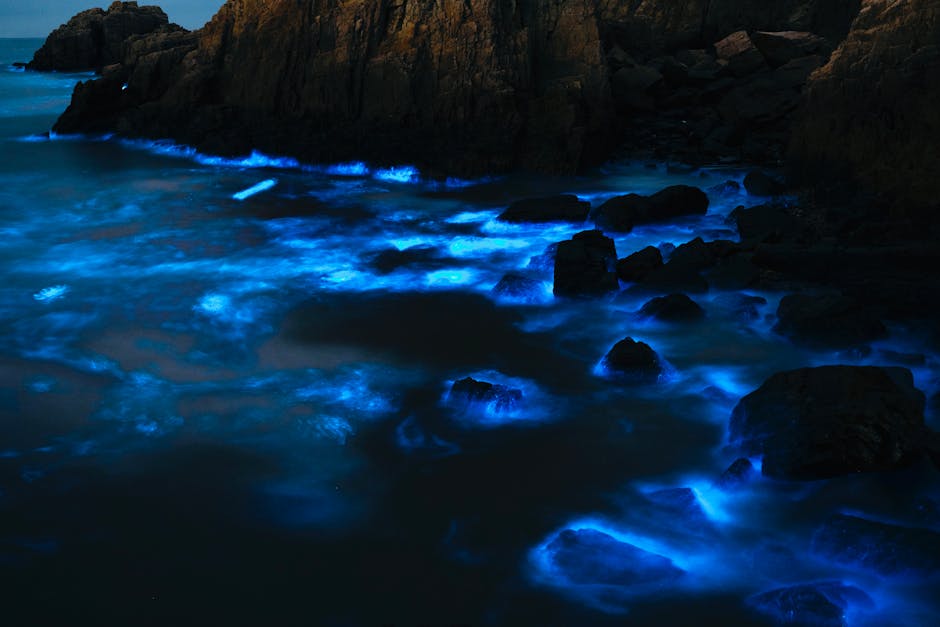
The Aeolian Islands, a volcanic archipelago off Sicily’s northeastern coast, offer much more than dramatic views and hiking trails. When the sun slips behind the island arc, the sea itself can transform into a glowing stage: countless bioluminescent organisms emit an ethereal blue light, creating an otherworldly scene beneath the surface. Nighttime bioluminescent dives in the Aeolians are a rare, immersive experience that blends the magnetic darkness of volcanic seabeds with the luminous dance of microorganisms and some invertebrates. This detailed guide—aimed at both novice and experienced divers as well as curious travelers—covers where to see bioluminescence, how to prepare, what gear to bring, typical costs of trips, and which local operators to contact.
The main islands—Lipari, Vulcano, Stromboli, Panarea, Salina, Filicudi and Alicudi—each have their own conditions: black volcanic sand and rock, seagrass meadows, steep drop-offs and underwater caverns where bioluminescence reveals itself in different ways. Some dives launch from docks and beaches, while others require a night boat ride to more distant spots. This guide includes exact dive center addresses, price ranges in euros, typical departure times and local tips to maximize your chances of witnessing a breathtaking light show. You’ll also find safety recommendations specific to night diving and to the volcanic quirks of the Aeolians.
Whether you want to watch the flicker of dinoflagellates while snorkeling or explore caverns where shrimp and certain fish emit their own glow, this guide will prepare you to fully enjoy the moment. Bioluminescence is fleeting and depends on factors such as water temperature, clarity, moon phase and oceanographic activity; we’ll explain how to pick the right night, how to avoid disturbing wildlife, and how to respect the fragile Aeolian environment. For each island you’ll get local operator options and practical tips (transport, accommodation, gear) to make planning your night immersion easier.
1) Where to see bioluminescence in the Aeolian Islands: top spots and island specifics
The best places to spot bioluminescence vary by island. Below is a selection of prime viewing locations with usual meeting points, environmental features that favor visibility, and practical details.
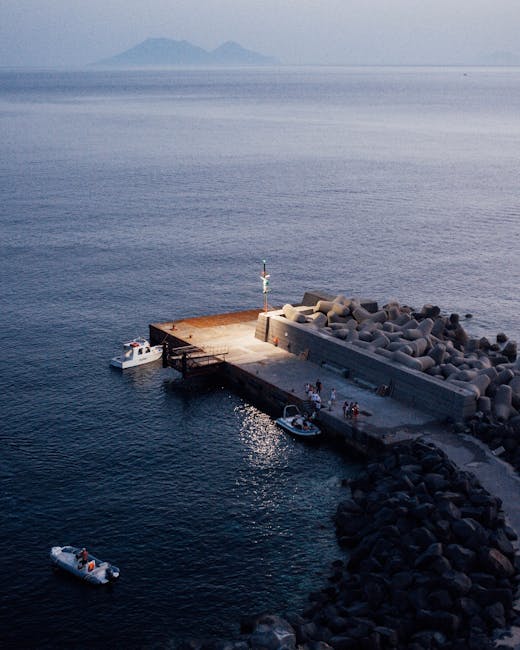
- Lipari — Porto di Marina Corta, Via Marina Corta, 98055 Lipari ME, Italy: Marina Corta’s small historic harbor is an easy launch point for night trips. The seabed around Lipari is a mix of black volcanic sand and seagrass meadows; shallow areas make for accessible bioluminescent snorkeling. Visibility is often best just after sunset when the sea is calm. Indicative price for a bioluminescent snorkeling trip: €45–€65 per person. Typical departure: 9:30–11:30pm depending on the season.
- Vulcano — Porto di Gelso, Via Marina, 98050 Vulcano LP, Italy: Sheltered coves on the southeast side often hold high concentrations of microorganisms. Vulcano is also known for volcanic seabeds and underwater fumaroles; following the marine trails you can find phosphorescent pockets. Organized trips by Vulcano Sub Diving (Via Napoli 3) typically cost €60–€80, departing around 9:00–11:00pm.
- Stromboli — Porto di Ginostra, Via Roma 10, 98050 Stromboli ME, Italy: Excursions sometimes depart from Ginostra or Scari. Stromboli’s volcanic profile and relative isolation create very dark nights—ideal for bioluminescence. Night dives often require longer navigation and can cost €80–€120, departing between 9:30pm and midnight depending on volcanic activity and weather.
- Panarea — Punta Milazzese quay, Via Marina 5, 98050 Panarea ME, Italy: Small, elegant Panarea with crystal-clear waters is perfect for night snorkeling. Harbors around the islets sometimes show sharp glowing halos. Excursions run about €50–€90, usually leaving between 9:00 and 10:30pm.
- Filicudi & Alicudi — Porto di Filicudi, Via Marina 2, 98050 Filicudi ME, Italy / Porto di Alicudi, 98050 Alicudi ME, Italy: These wilder islands offer isolated sites away from light pollution where local concentrations of bioluminescence can be observed. Trips are pricier due to longer distances: €90–€140 per person. Departure times vary but are often around 9:30pm.
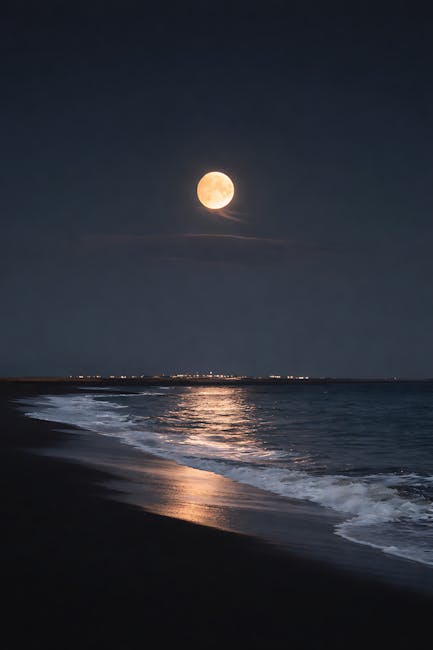
Local tip: choose moonless nights (new moon) or nights with a thin moon phase; calm seas after several wind-free days are ideal. Sheltered coves and mixed rocky-sandy bottoms are favorable microhabitats. Avoid strong-current areas and always ask the guide if volcanic conditions (especially at Stromboli) impose any restrictions.
2) Recommended dive centers, addresses, prices and typical departure times
Booking through a local dive center is your best bet for arranging a bioluminescent night trip. Below is a list of reputable centers, their exact addresses, price ranges (in euros) and usual timings. Listed prices often include basic gear (wetsuit, safety torch), but may vary depending on inclusion of a guide, boat transfers and extras (photography, drinks).
- Diveteam Lipari — Via del Mare 12, 98055 Lipari ME, Italy. Contact: +39 090 981 0000 (example). Night bioluminescent outings: €60–€90 per person. Timings: meet 8:30–9:00pm, boat departure 9:30pm, return 11:30pm–midnight. Services: wetsuit, mask, snorkel, safety torch, PADI/CMAS guide.
- Vulcano Sub Diving — Via Napoli 3, 98050 Vulcano LP, Italy. Trips: €65–€85. Timings: meet 8:00pm, depart 9:00pm, return 11:00pm. Specialty: combined outings with thermal baths before the dive (extra).
- Stromboli Diving Center — Via Roma 10, 98050 Stromboli ME, Italy. Night trips: €90–€140 (accounts for specialized lighting gear and longer duration). Timings: variable (often meet 9:30pm), return around 12:30am depending on distance. Special focus: guides experienced with volcano-marine environments and strict eruptive-activity safety protocols.
- Panarea Sea Tours — Via Marina 5, 98050 Panarea ME, Italy. Bioluminescent snorkel tours: €50–€75. Timings: depart 9:00–9:30pm, return 11:00pm. Accessible to non-divers. Small boats limit groups to 8–12 people.
- Filicudi Sub — Via Marina 2, 98050 Filicudi ME, Italy. Trips: €95–€130, depart 9:30pm. Services: longer navigation, complete gear, and an optional underwater photographer (extra €30–€60).
Booking reminders:
- Book at least 24–48 hours in advance during high season (July–August).
- Check what’s included: wetsuit, buoyancy aid (if scuba), safety torch and surface buoys. Some operators charge extra for technical night dives or photography.
- Ask about group sizes: for an intimate and safe experience, aim for 6–12 people on snorkeling trips and 4–8 scuba divers for tank dives.
3) Gear, safety and preparation for a bioluminescent night dive
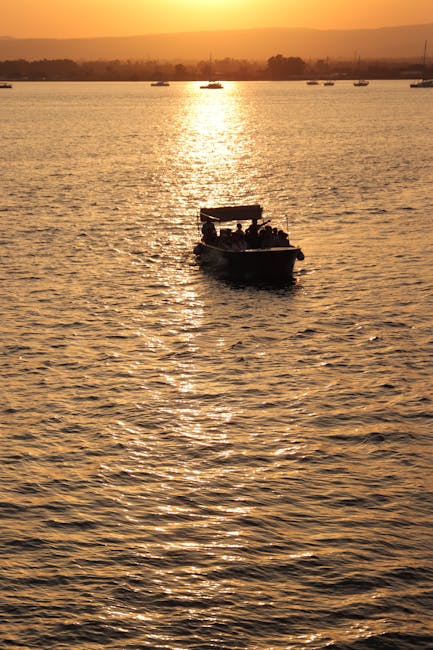
Night diving requires specific preparation: proper gear, reinforced safety protocols and good physical condition. Whether you’re snorkeling or diving with tanks, adapt your equipment and strictly follow your guide’s instructions.
Recommended gear (snorkeling/free-diving):
- Short or full neoprene wetsuit (3/2 mm to 5/4 mm depending on season) — many centers provide suits. Rental cost: €10–€20.
- Well-fitting mask and snorkel — bring your own gear if possible.
- Low-intensity waterproof safety torch (guides often prefer keeping darkness to avoid disturbing bioluminescence) — rentals ~€5–€10.
- Buoyancy aid or surface marker buoy to stay visible at the surface.
Recommended gear (scuba diving):
- Tank, regulator, BCD — often included in packages. Full rental: €25–€50 depending on center.
- Main dive light and backup torch — essential; check battery life.
- Dive computer or decompression tables, and a surface marker buoy if needed.
- Full wetsuit, thin gloves (depending on water temperature), booties.
Safety and protocols:
- Don’t shine bright lights directly at bioluminescent life; most guides use a soft light to orient and then switch it off to allow observation. Follow this rule to avoid disrupting the phenomenon.
- Night dives require thorough briefings: light signals, lost-group procedures, air consumption monitoring. Arrive 30–45 minutes before departure for the briefing.
- Avoid touching seagrass, corals and any organisms. Bioluminescence is often triggered by movement—spectacular but fragile. Practice neutral buoyancy to limit contact.
- Dive insurance: verify coverage for night dives and medical evacuations. Some islands are far from hospitals; evacuation can be costly.
Practical tips:
- Bring warm clothing for the boat ride back: the perceived temperature drops quickly after immersion.
- Stay hydrated and avoid alcohol before the dive. If you’re prone to seasickness, take preventative medication that day.
- If you plan to photograph the bioluminescence, tell the guide in advance; underwater low-light photography requires special strobes or long exposures and often a professional photographer (extra fee).
4) Dive experiences: immersive accounts and species you might see
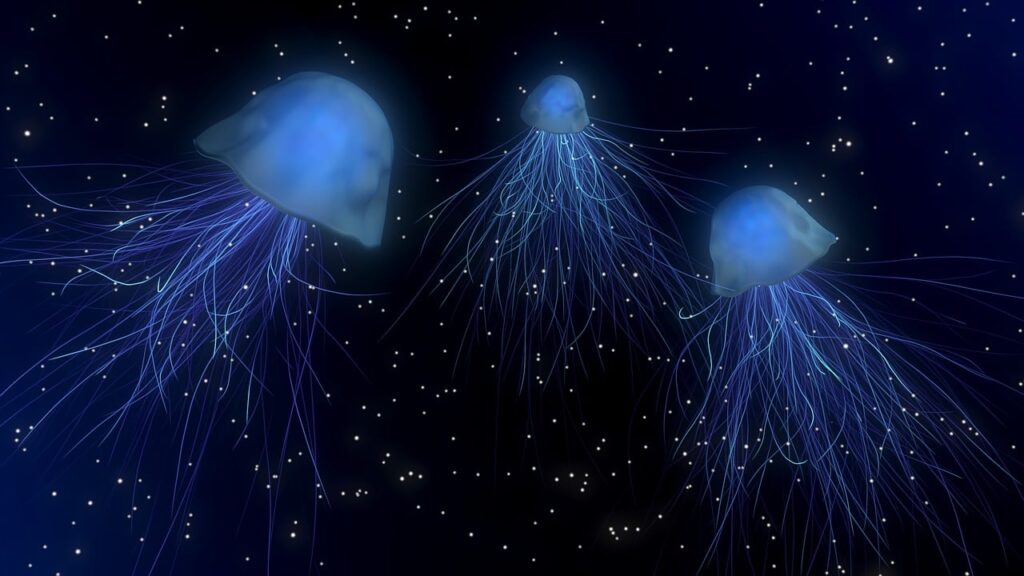
A bioluminescent dive in the Aeolians can take many forms: a gentle snorkel in a Panarea cove, a structured dive along a Stromboli drop-off, or swimming through a cloud of glowing jellyfish. Below are immersive descriptions to give you a clear sense of the atmosphere and possible encounters.
Scenario 1 — Easy snorkeling at Lipari (Marina Corta): You glide silently and the water’s surface fractures into tiny sparks as your hands draw arabesques. Beneath your eyes, swarms of dinoflagellates respond: blue light follows each motion, tracing luminous ribbons around your mask. Occasionally shrimp or small fish give off faint glows; it feels both intimate and cosmic. The guide asks you to stay still for a few moments: the scene intensifies, revealing a liquid galaxy where the smallest movement creates a miniature supernova.
Scenario 2 — Night scuba at Stromboli: After a moonless boat ride, you descend along a volcanic wall. With the torch off you first encounter total blackness, then pinpoint glows appear like underwater constellations. Some shrimp and invertebrates flash briefly; bioluminescent algae sometimes carpet the rocks, producing blue halos. The intensity can be greater because of depth and the absolute black contrast. The guide controls the sequence, managing when lights are minimized or switched on for safety.
Species and mechanisms:
- Dinoflagellates (bioluminescent phytoplankton): tiny single-celled organisms that glow when the water is disturbed.
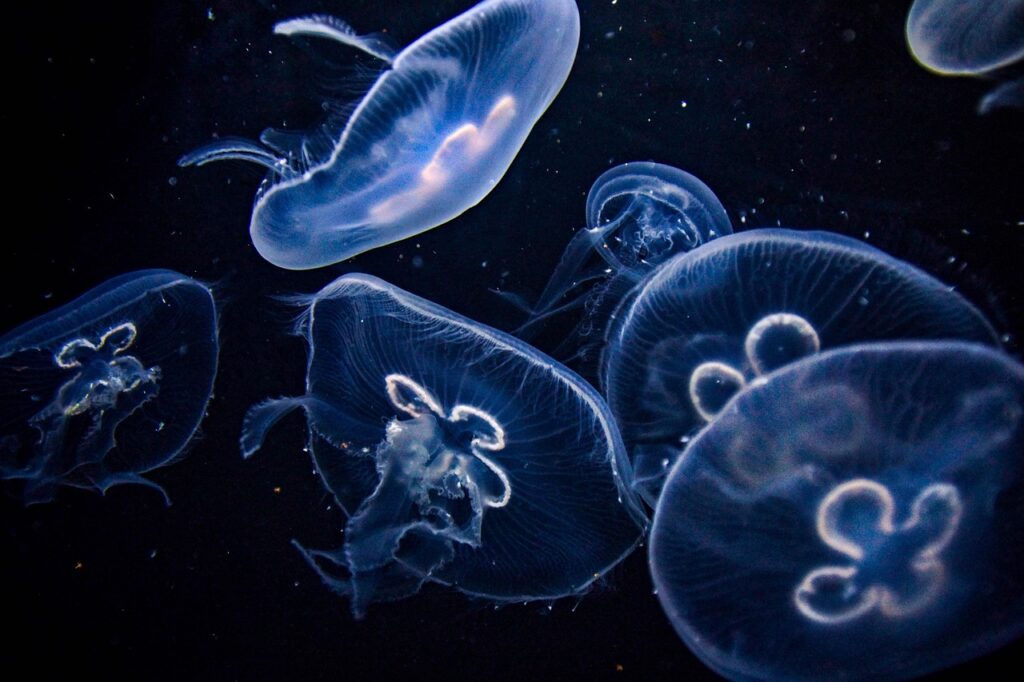
- Certain benthic invertebrates (shrimp, jellyfish) capable of emitting light for defense or communication.
- Algae and microorganisms associated with volcanic seabeds that react to water agitation.
Observation tip: bioluminescence is not guaranteed—its presence depends on local biomass and environmental conditions. Experienced guides read the signs (consistent activity, surface temperature, recent sightings) and select the best area for the evening.
5) Logistics, accommodation and local tips to get the most out of your experience
Organizing a night immersion in the Aeolians requires logistics: island transfers, lodging near harbors, and scheduling so your nocturnal outings fit with daytime plans. Here are practical recommendations to optimize your trip.
- Access and transport: Ferries and hydrofoils connect the islands from Milazzo (the main port), Cefalù and sometimes Messina. From Porticciolo di Milazzo, Piazza Unità d’Italia, 98057 Milazzo ME, Italy, crossings to Lipari take 30–60 minutes by hydrofoil or 90–120 minutes by ferry. Fares: €15–€35 depending on season and vessel type. Book early in summer.
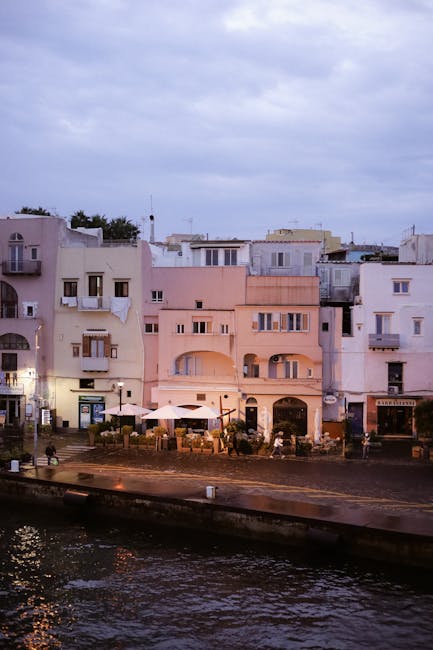
- Accommodation: Stay close to the departure port to avoid late-night transfers after diving. Examples: hotels and B&Bs around Marina Corta in Lipari (Via Marina Corta), small pensioni in Vulcano near Porto di Gelso, or lodgings in Scari and Ginostra on Stromboli. Price range: double room €60–€180/night depending on comfort and season.
- Ideal schedule: Aim for 3–4 nights on an island to give yourself flexibility to choose the best night based on weather and moon phase. Arrive the day before a night trip to attend the briefing and do a daytime gear check.
- Dining: You’ll find late-night restaurants around the harbors; in Lipari try Trattoria « La Lamia » (Via Giovanni Mazzella, 98055 Lipari ME) for seafood. Meal budget: €15–€35 per person.
- Local advice: Talk to local fishers and seasoned guides—they often know recurring bioluminescent spots. Keep beaches and harbors clean—light pollution and plastic waste severely affect visibility and the health of bioluminescent organisms.
Conclusion — Experience the Aeolian Islands’ starry sea with care
Bioluminescent dives in the Aeolian Islands offer a unique sensory experience: the sea becomes a liquid starry sky where every movement creates fleeting constellations. This guide has given you practical and immersive information to prepare for the adventure: recommended spots with exact addresses (Porto di Marina Corta, Via Marina Corta 98055 Lipari ME; Porto di Gelso, Via Marina 98050 Vulcano LP; Porto di Ginostra, Via Roma 10 98050 Stromboli ME, etc.), local dive centers (Diveteam Lipari, Vulcano Sub Diving, Stromboli Diving Center, Panarea Sea Tours, Filicudi Sub), price ranges in euros (from €45 for a Lipari snorkel to €140 for distant trips to Filicudi/Alicudi), and typical meeting and departure times (usually between 8:00–10:00pm with returns between 11:00pm and 12:30am).
Successful night immersions depend as much on logistical preparation (booking, gear, accommodation near the port) as on understanding natural conditions: moon phases, calm seas, volcanic activity and weather events. Respecting the marine environment is essential: bioluminescence is fragile and can be disrupted by light pollution or plastic. Always follow your guides’ instructions, use appropriate equipment, and favor operators who practice responsible diving.
Finally, leave room for the unexpected: a missed outing can often be rescheduled, but every night can offer a different tableau—sometimes a quiet snorkel in Panarea will be enough, sometimes a more technical Stromboli dive will reveal an intense world of light. Take home the memory of a rare natural phenomenon, the feeling of being immersed in a marine galaxy, and the awareness that you witnessed a delicate ecological balance. Plan thoughtfully, respect the environment, and savor every moment of this nocturnal spectacle in the Aeolians.